Reading Log Ideas for Kids That Make Reading Fun
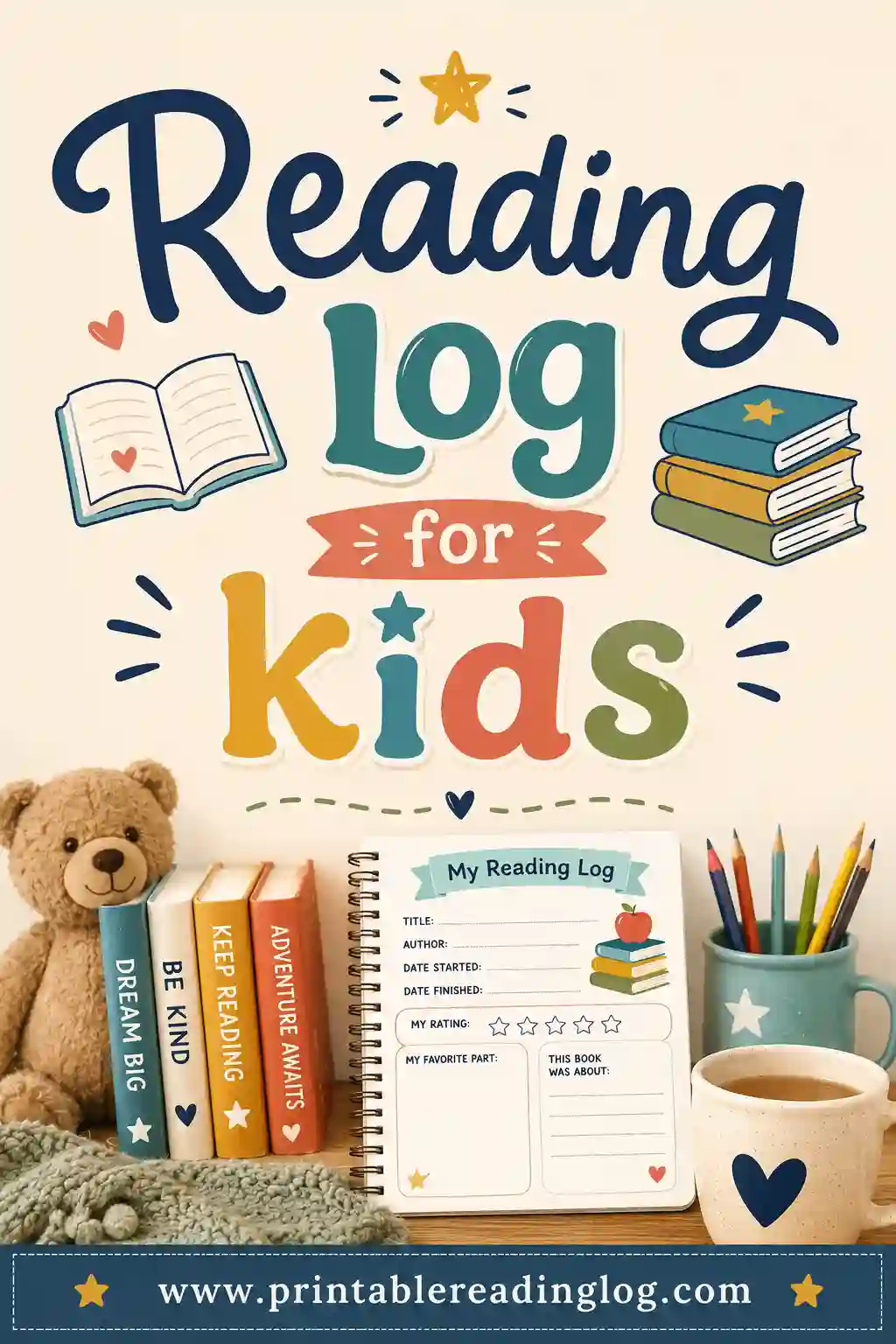
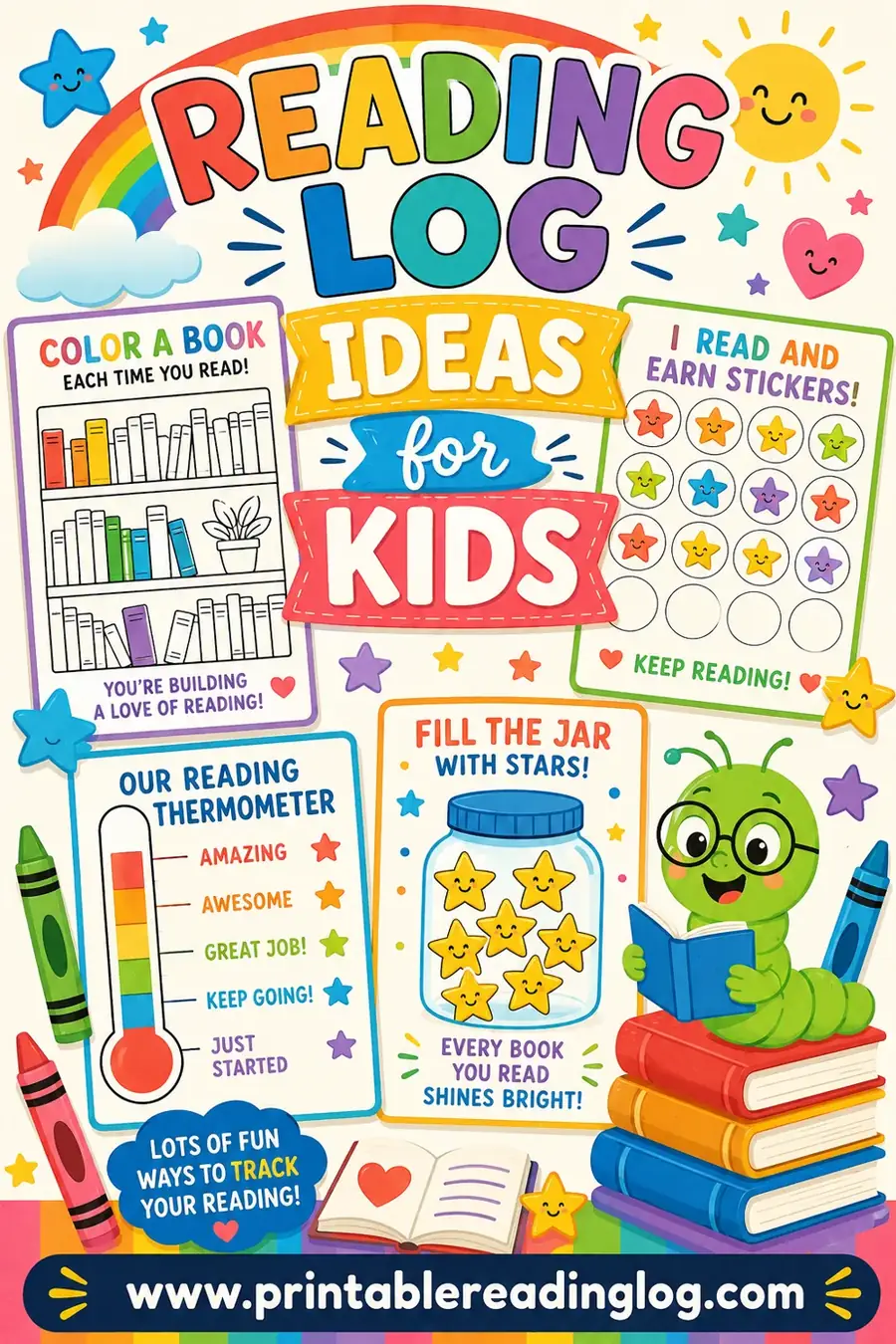
The best reading log ideas for kids turn tracking into a game: sticker charts, a coloring thermometer that fills up as they read, a bingo sheet of reading challenges, or a themed log built around their favorite thing. The trick is to make the log feel like a reward, not homework. The easiest way to try any of these is to print a free kids reading log and add your own twist.
Want to get started fast? Open the free tool, pick a fun kid style, and print. There's no sign-up and no cost, so you can have a colorful sheet ready before bedtime tonight.
Why Fun Reading Logs Work Better for Kids
Kids stick with anything that feels like play. A plain grid of empty boxes reads like a worksheet, and worksheets get resisted. But a log that lets a kid slap on a sticker, color in a square, or chase a bingo win feels like a game they want to keep playing.
The magic is the instant reward. Every time a kid fills in a fun log, they get a tiny hit of pride and progress. That little payoff is what brings them back the next night. Pair the right format with a small celebration and you've turned reading from a chore into something they ask to do.
A few principles guide every idea below:
- Make progress visible. Kids love seeing how far they've come.
- Keep entries short. A tired kid should finish in seconds.
- Let them own it. Hand over the pen, sticker, or crayon.
- Celebrate out loud. Notice the streak, not just the number.
Idea 1: The Sticker Chart Log
The classic for a reason. Each time your child reads, they add a sticker to a row or grid. When a row fills up, they earn a small reward.
Sticker charts work because the sticker is the reward. There's no waiting, no points to tally — just instant satisfaction. They're perfect for pre-readers and early readers who can't write much yet but can absolutely peel and stick.
How to set one up:
- Print a grid of empty boxes, one box per reading session.
- Let your child pick the stickers (choice doubles the fun).
- Set a small reward for a full row, like picking the next bedtime book.
Idea 2: The Reading Thermometer
A reading thermometer is a tall outline that your child colors in as they read. Hit a goal — say, 100 minutes or 10 books — and the thermometer is full.
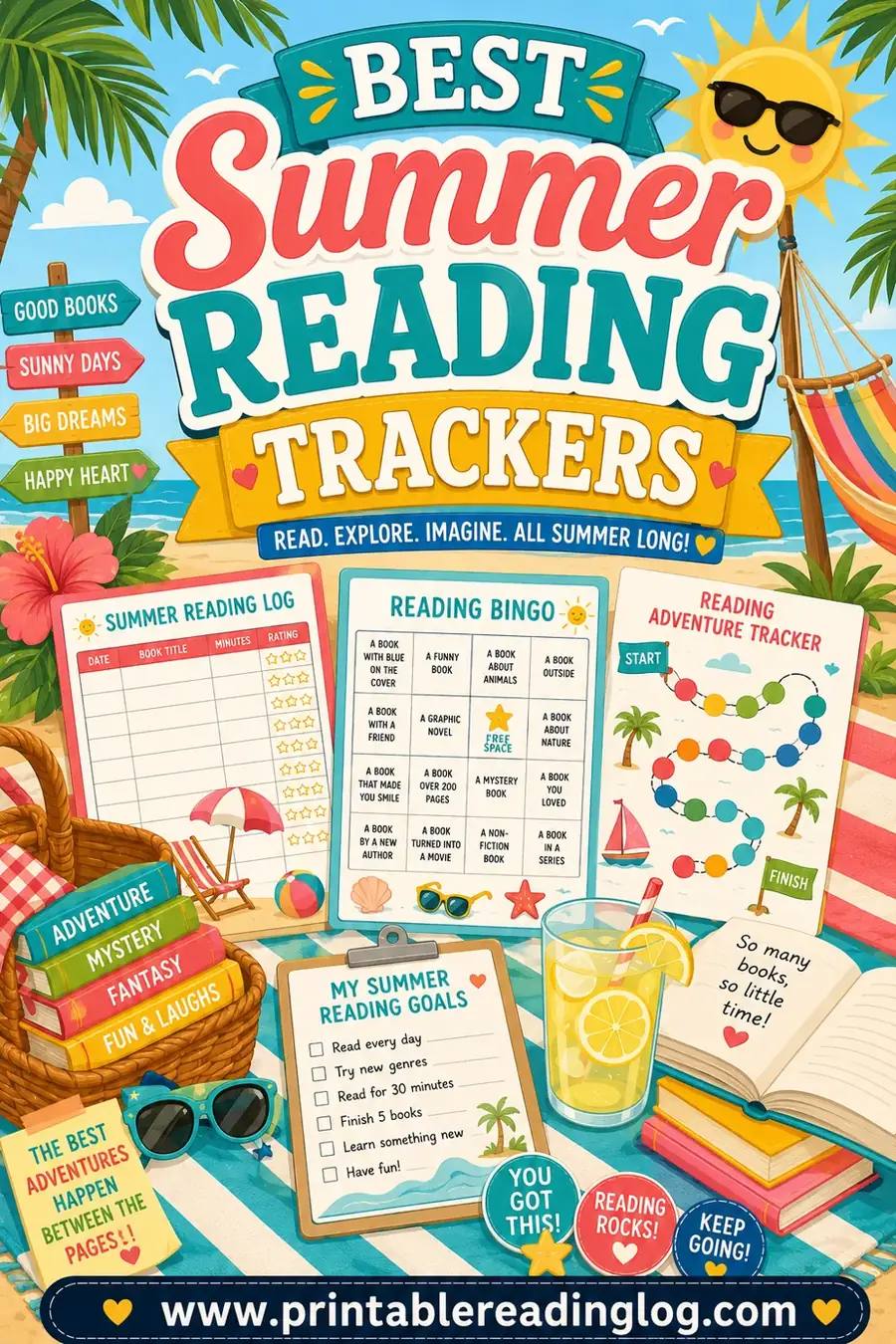
Kids love watching it climb. It makes a big goal feel reachable because they can see exactly how close they are. It's especially great for a longer challenge like a summer reading goal, where you need something to keep momentum over weeks.
To use it: pick a goal, mark the levels (every 10 minutes or every book), and color one section per session. A nearly-full thermometer is one of the best motivators there is.
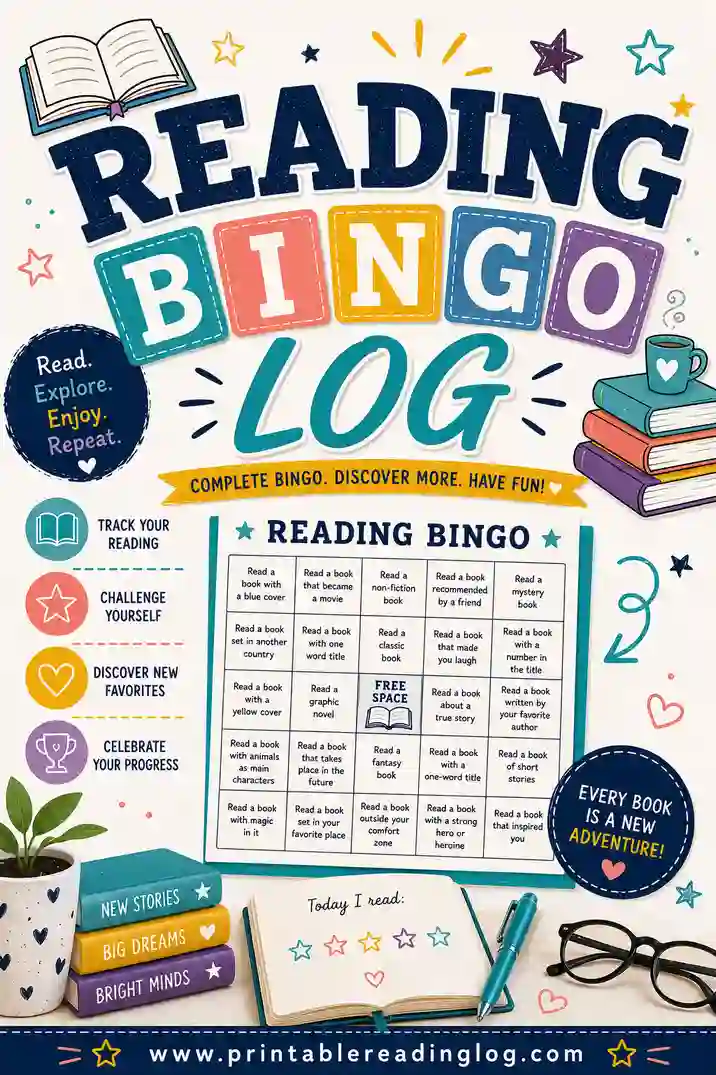
Idea 3: The Reading Bingo Log
Turn reading into a bingo board. Each square is a small reading challenge: "read outside," "read a funny book," "read to a pet," "read for 20 minutes." Kids mark squares as they complete them and race for a line or a blackout.
Bingo logs add variety, which fights the boredom that kills most reading habits. They nudge kids to try different books and reading spots instead of the same routine every night. They're a favorite for summer and for reluctant readers who need a fresh hook. See our reading bingo log guide for a ready-made board.
Idea 4: Themed Logs Built Around Their Interests
Match the log to whatever your kid is obsessed with right now. Dinosaurs, space, unicorns, soccer, their favorite show — the theme makes the log feel made just for them.
A space-themed log might have a rocket that climbs past planets as minutes add up. A dinosaur log might track "books hatched." The reading is the same; the wrapper is what hooks them. A kid who feels like the log is theirs will fight to fill it in.
You can also tie the theme to the books. A "trip around the world" log where each book is a new country, or a "monster collection" where finishing a book unlocks a new creature, gives reading a fun storyline.
Reading Log Ideas by Age
Different ages need different ideas. Match the format to your child and it'll actually get used.
| Age group | Best idea | Why it works | What to track |
|---|---|---|---|
| Toddlers (2–4) | Sticker chart | Instant, no writing needed | A sticker per read-aloud |
| Early readers (5–7) | Coloring thermometer | Visible progress they color | 10 minutes a night |
| Growing readers (8–10) | Reading bingo | Variety and friendly challenge | Squares completed |
| Tweens (11–13) | Themed book list | Feels grown-up and personal | Titles and ratings |
Mix and match freely. A six-year-old might love a sticker chart and a thermometer. The free maker lets you build whichever combo fits your reader, so it's easy to adjust as they grow.
Idea 5: The Star-Rating Review Log
Let kids be the critic. After each book, they color in 1 to 5 stars and maybe scribble a one-line review or draw a face.
This gives kids a voice, which is powerful. A child who gets to say "this book was a 5" feels respected, and that respect makes them care about the log. It also sneaks in a little reflection, helping them think about what they liked and why.
For non-writers, swap words for faces: a happy face, a meh face, a sad face. The point is letting them weigh in.
Idea 6: The Drawing Log
Give each book a box to draw the best part. Instead of writing a summary, your child sketches a scene, a character, or how the book made them feel.
Drawing logs are perfect for kids who love art more than writing, and they double as a keepsake you'll want to save. Looking back at a year of little drawings is a delight for both of you. They also help non-readers and early readers "log" a book in a way they can manage.
Tips to Make Any Reading Log Idea Stick
The idea is only half the battle. These habits make any log last.
- Hang it where they'll see it. The fridge, the bedroom wall, or by their reading spot. Out of sight means out of mind.
- Read at the same time daily. Right before bed works for most families. Routine beats willpower.
- Keep goals small. Ten minutes a night is plenty for a young reader. Raise it only when it's easy.
- Let them log it themselves. The kid holding the pen is the whole point.
- Pick non-screen rewards. A new bookmark, an extra chapter at bedtime, or a library trip keeps the focus on reading.
Easy rewards that keep reading the treat
You don't need a prize closet. A few that work:
- A sticker or stamp for each night read
- Choosing the next bedtime book
- Staying up ten extra minutes to finish a chapter
- A trip to the library after a full sheet
- A special bookmark once they fill a whole log
The best rewards tie back to reading itself, so your child learns that books are the fun part. For more on winning over a tough crowd, see our reading log for reluctant readers guide.
Frequently Asked Questions
What are some fun reading log ideas for kids?
Popular ideas include sticker charts, a coloring reading thermometer, a reading bingo board, themed logs built around a child's favorite interest, star-rating review logs, and drawing logs. Each turns tracking into a game. You can print any of them free from the kids reading log maker.
What is the best reading log for a young child?
For toddlers and pre-readers, a sticker chart is best because it needs no writing — they just add a sticker after each read-aloud. For early readers, a coloring thermometer adds visible progress. Keep entries short and let the child do the sticking or coloring themselves.
How do I make a reading log fun instead of boring?
Add a reward element: stickers, a thermometer to color, bingo squares to chase, or a theme your kid loves. Let them log it themselves, keep goals small, and celebrate streaks out loud. A log that feels like a game gets filled in; a plain grid gets resisted.
Do reading log ideas work for reluctant readers?
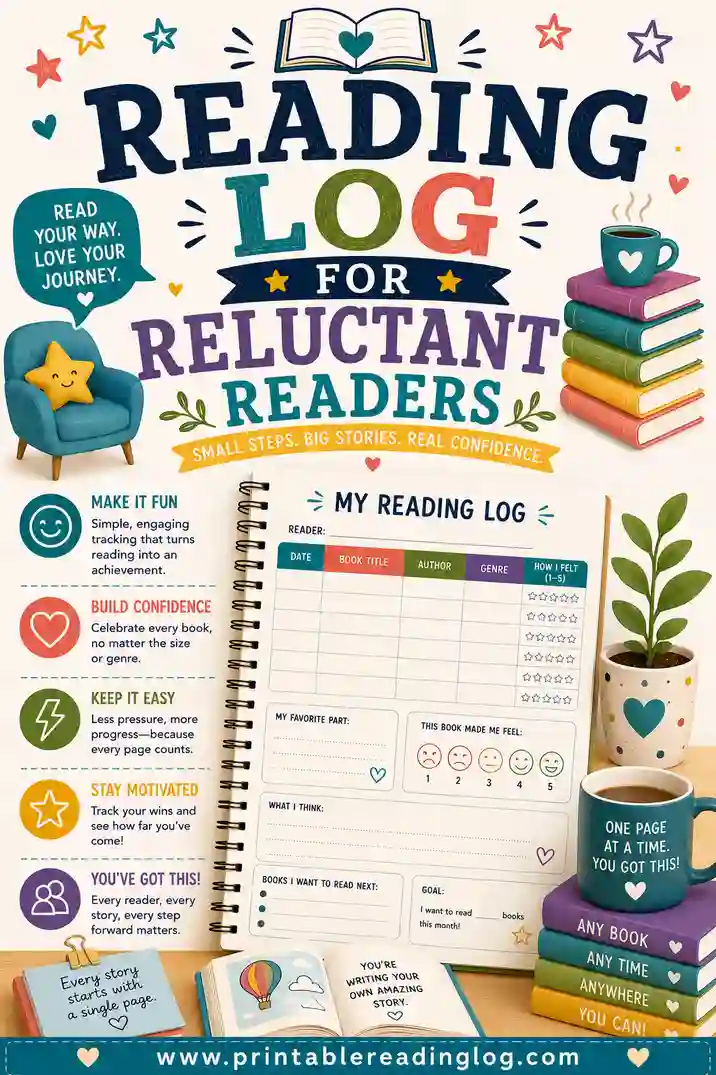
Yes, especially bingo logs and themed logs. They add variety and a fun challenge that distracts from the "have to read" feeling. Pair the log with short, high-interest books and small rewards. Our reading log for reluctant readers guide has more tactics.
Are these kids reading logs free to print?
Yes. You build and print them yourself at no cost, with no sign-up and no watermark. Print one for your own child or a full set for a classroom on a single free design.
How many minutes should a kid read each day?
A common goal is 10 minutes for early readers and 20 minutes for grade-schoolers, which is what most school logs ask for. Consistency matters more than the number, so a small daily goal that gets hit beats a big one that gets skipped. See our summer reading log for goal ideas over a longer stretch.
Ready to Try a Fun Reading Log?
Pick an idea your kid will love — stickers, a thermometer, bingo, or a theme — and make the log feel like a game, not a chore. The fastest way to start is to open the free reading log maker, choose a fun kid style, and print a colorful sheet in minutes. It's free, there's no sign-up, and you can print as many as a whole class needs. For more setups, see our reading log for kids and reading bingo log guides.