Reading Log for Reading Rewards: Free Printable Tracker
A reading log for reading rewards is a tracker that ties reading goals to prizes, so kids earn a small treat for hitting a target like "read 10 books" or "read 300 minutes." It turns reading into a game with a finish line, which is exactly what motivates a kid who'd rather do anything else. The easiest way to make one is a free reading log maker that builds a printable reward chart you can fill in at home.
Want one ready to print right now? Open the free tool, set a goal, add a reward box, and print a copy for each child. No sign-up, no fee, nothing to download.
How a Reading Reward Log Works
A reward log is a regular reading log with a goal and a prize attached. The child reads, fills in a box for each book or chunk of minutes, and when the row is full, they earn the reward. Simple, visible, and motivating.
The magic is in the design. A good reward log does three things at once:
- Sets a clear target. "Read 10 books" or "read 200 minutes" is something a kid can picture and chase.
- Shows progress. A row of boxes filling in is its own little thrill. Kids can see how close they are.
- Promises a payoff. The reward at the end gives the boxes a point.
Reward logs work because kids respond to clear goals and quick wins. The log makes both visible on a single page they can keep on the fridge or in their folder.
Why Rewards Help Kids Read More
Some parents worry that paying kids to read sends the wrong message. Used well, rewards do the opposite: they get a reluctant reader to start, and the love of reading grows from there. Here's why it works.
- It lowers the barrier. A kid who "hates reading" will pick up a book to earn a prize. That first push is often all it takes.
- It builds momentum. Once the habit starts, reading gets easier and more fun on its own. The reward fades into the background.
- It celebrates effort. A reward marks a real accomplishment. Finishing 10 books is something to be proud of, and the prize says so.
- It creates routine. Chasing a goal means reading regularly, and regular reading is how kids actually improve.
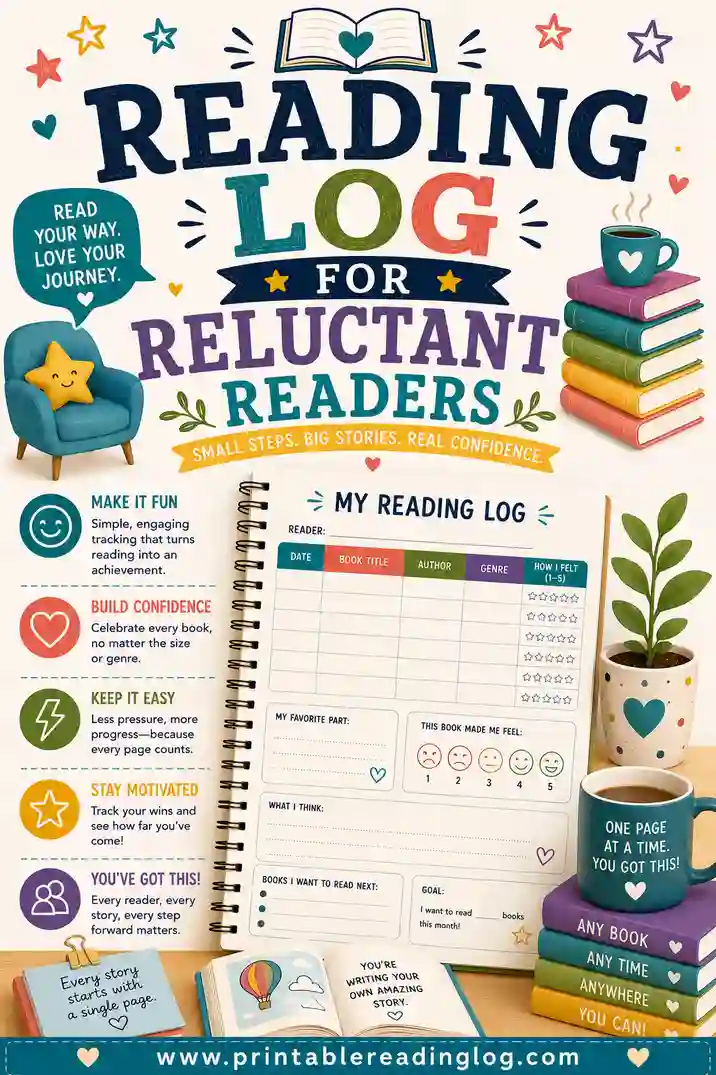
The trick is to reward the reading, then let the habit take over. Most kids who start for the prize end up reading for the story. For a child who really resists, pair this with a log built for reluctant readers.
Choosing the Right Goal and Reward
The goal and the prize have to match the kid, or the system stalls. Too hard, and they quit. Too easy, and it means nothing. Here's a starting framework.
| Reader | Sample goal | Reward idea |
|---|---|---|
| Preschool (3–5) | 10 picture books | A sticker chart + a small toy |
| Early reader (6–8) | 5 chapter books | A trip to the library or ice cream |
| Older kid (9–11) | 300 minutes read | Choose the family movie |
| Reluctant reader | 20 minutes a day for a week | A small prize each Friday |
| Whole summer | 25 books or 1,000 minutes | A bigger reward, like a day out |
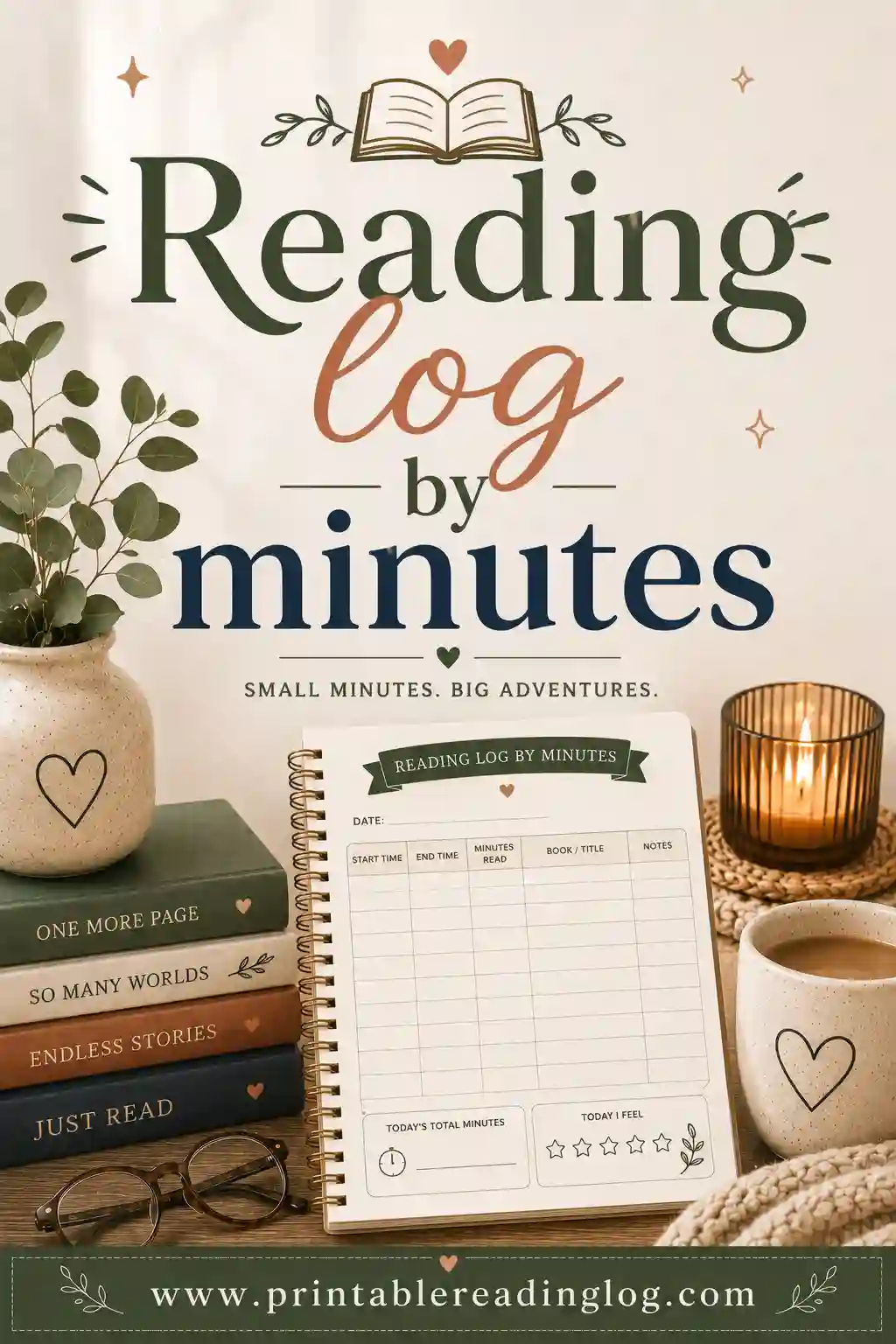
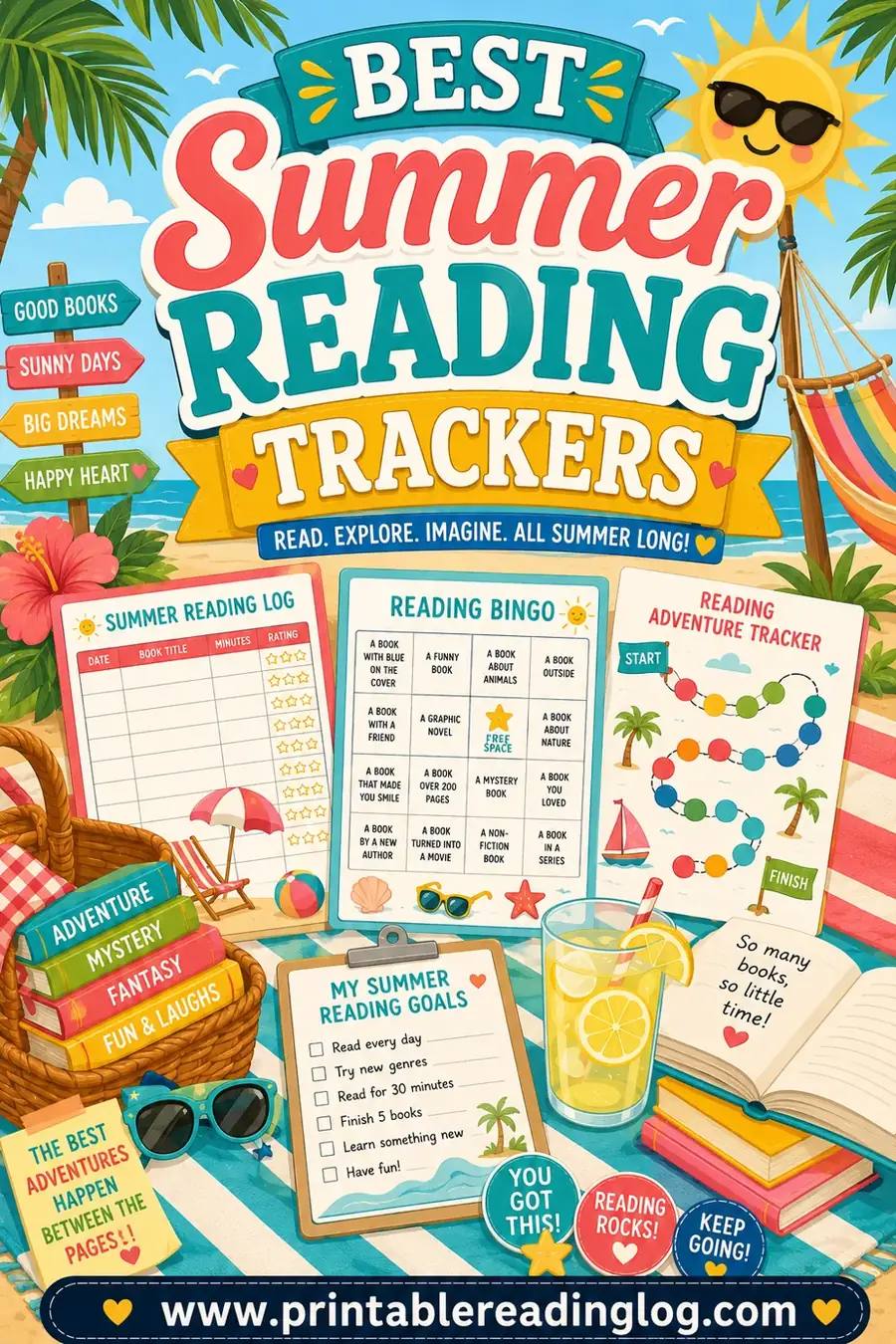
Notice the rewards aren't all "stuff." Experiences, privileges, and choices often motivate better than toys, and they cost less. For a minutes-based version, build it on a by-minutes log. For a long run, a summer reading log is a natural home for bigger rewards.
A sample reward log
Here's what a filled-in reward row might look like, so you can picture the finished chart:
| Book # | Title | Date | Done |
|---|---|---|---|
| 1 | Dog Man | June 3 | ✔ |
| 2 | The BFG | June 9 | ✔ |
| 3 | Magic Tree House #4 | June 14 | ✔ |
| 4 | A comic book | June 16 | ✔ |
| 5 | GOAL — pick a prize! | June 20 | 🎉 |
Five rows and the finish line is right there in view. That visible prize at the end is what keeps a kid reaching for the next book.
How to Set Up a Reading Reward Log in 4 Steps
It takes about five minutes, and then the log does the motivating for you.
- Pick the goal. Choose a target that's a stretch but reachable, like 10 books or 300 minutes. Match it to the child's level.
- Choose the reward. Decide on the prize together. Letting the kid help pick it makes them far more invested.
- Build the log. Use the free tool to make a chart with one box per book or per chunk of reading, plus a clear reward box at the end.
- Post it and start. Stick it somewhere visible. Each finished book gets a box, a sticker, or a checkmark, building toward the prize.
Letting the child fill in each box themselves is part of the fun. The act of marking progress is a reward in itself.
Reward Ideas That Aren't Just Toys
The best rewards often cost little or nothing. They work because kids value attention, choice, and experiences. Mix these in.
Experience rewards
- A trip to the library or a bookstore to pick a new book
- A special outing: the park, the zoo, a movie
- A baking afternoon or a favorite meal
- A later bedtime on the weekend
Privilege rewards
- Choose the family movie or the dinner menu
- Pick the next family activity
- Extra one-on-one time with a parent
- "Skip a chore" pass
Small material rewards
- A sticker for each book, building to a full chart
- A new book of their choice at the goal
- A small toy or a craft kit
- A certificate you print and sign
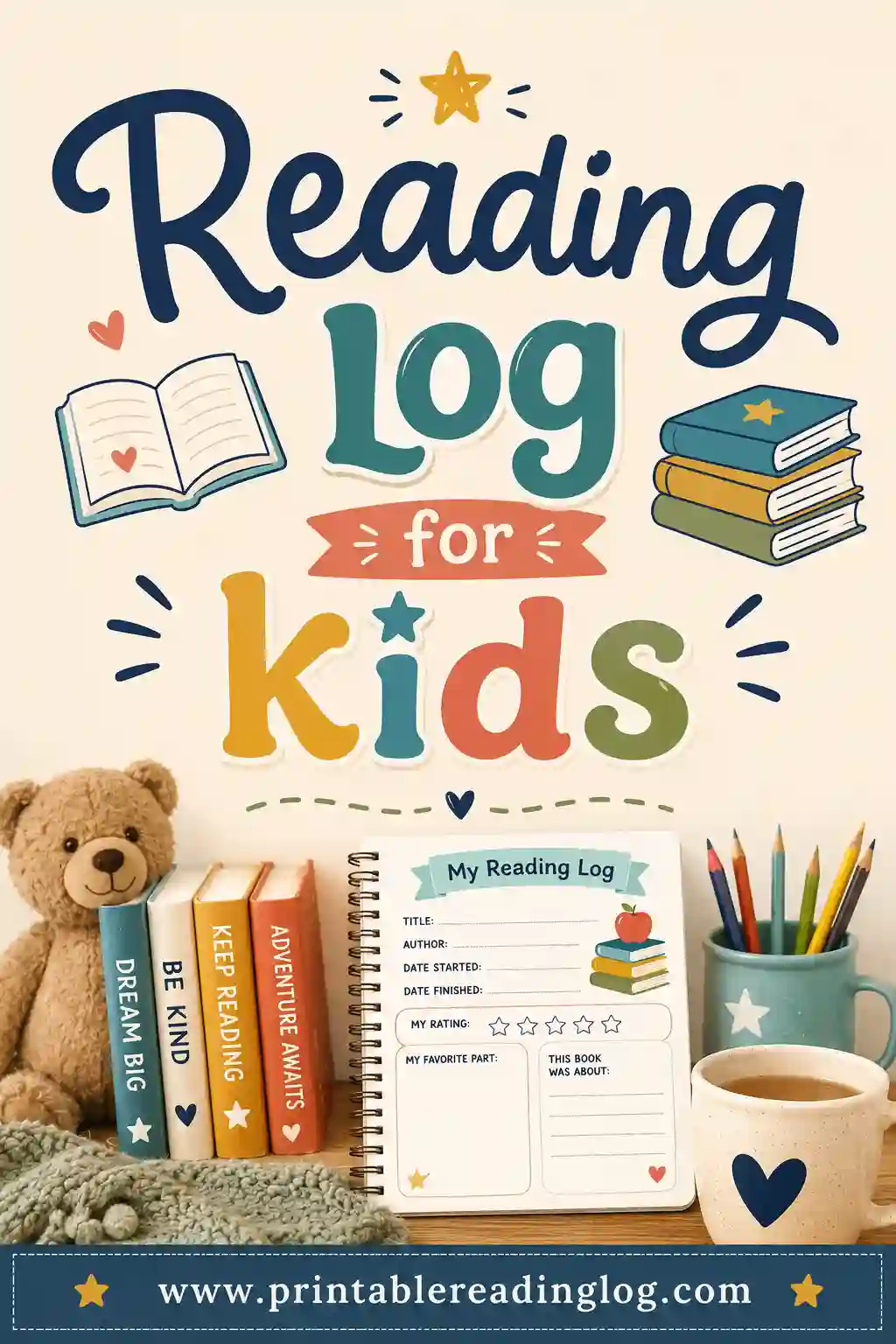
Tie the size of the reward to the size of the goal. A daily box might earn a sticker; a whole summer's reading might earn a day out. For younger kids especially, a reading log built for kids keeps the chart bright and simple.
Keeping the Reward System Healthy
Rewards are a great on-ramp, but you want reading to outlast the prizes. A few habits keep the system from backfiring.
- Praise the reading, not just the prize. Talk about the story, the characters, the funny parts. That's where the real love grows.
- Let the goals grow. As reading gets easier, nudge the target up. The challenge keeps it interesting.
- Mix in choice. Let the child pick some of their own books and rewards. Ownership beats obligation every time.
- Fade the rewards slowly. Once reading is a habit, stretch the goals and lean more on experiences and praise than on stuff.
Done right, the reward log works itself out of a job. The prizes get the kid reading, and one day they're reading because they want to know what happens next.
Avoiding Common Reward-Log Mistakes
A reward log is simple, but a few easy missteps can drain all the motivation out of it. Knowing them ahead of time keeps your chart working.
The biggest mistake is setting the goal too high. A kid staring at 50 empty boxes doesn't feel excited, they feel defeated before they start. Break big goals into smaller chunks with smaller rewards along the way. Ten books with a mini-prize every five beats one giant goal at twenty.
The second mistake is making rewards too big, too fast. If finishing one short book earns a brand-new toy, the goalposts have nowhere to go but up, and you'll be buying bigger prizes forever. Keep early rewards small and meaningful, and save the bigger ones for bigger milestones.
A third trap is letting the parent do all the marking. The child should fill in their own boxes. That small act of marking progress is half the motivation, and handing it off to a grown-up quietly kills the fun.
Keep it honest and pressure-free
Resist the urge to count books the child didn't really read just to speed things along. The log only works if the boxes mean something. At the same time, don't turn it into a source of stress. If a kid has a slow week, the chart waits patiently. Reading should never feel like a deadline. A reward log is a gentle nudge toward a lifelong habit, not a performance review, and the lightest touch usually gets the best results.
Frequently Asked Questions
Does rewarding kids for reading actually work?
Yes, especially for getting a reluctant reader started. A reward lowers the barrier to picking up a book, and once the habit takes hold, reading becomes its own reward. The trick is to praise the reading itself so the love of it grows alongside the prizes.
What should the reading goal be on a reward log?
Match it to the child's level so it's a stretch but reachable. Younger kids might aim for 10 picture books, older kids for 300 minutes or 5 chapter books. If the goal feels impossible, kids quit, so start a little easier than you think.
What are good rewards for reading?
Experiences and privileges often beat toys: a library trip, choosing the family movie, a special outing, or extra time with a parent. Small material prizes work too, like a sticker per book building toward a new book at the goal.
Won't kids only read for the prize?
Some start that way, and that's fine. The reward gets them reading; the habit and the stories keep them reading. To make sure the love grows, talk about the books with them and slowly fade the rewards as reading becomes routine.
Is the reading reward log free to print?
Yes. You build and print it yourself at no cost, with no sign-up and no watermark. Print a fresh chart for each child and start a new one whenever they hit a goal.
How do I track reading rewards for more than one kid?
Print a separate reward log for each child so everyone has their own goal and their own boxes to fill. You can set different goals and prizes per kid, which keeps it fair when they're at different reading levels.
Ready to Build Your Reading Reward Log?
Pick a goal, choose a prize, open the free reading log maker, and you'll have a printable reward chart ready in minutes. It's free, there's no sign-up, and you can tailor the goal and reward to each child. Print it, post it on the fridge, and watch a reluctant reader start chasing that next box, one book at a time.