Reading Log for Libraries: Free Printable Templates
A reading log for libraries is a printable tracker patrons use to record what they read during a library program — usually by minutes or books — so staff can stamp progress, hand out rewards, and keep readers coming back. The best library logs are simple, work on paper without any app or account, and have room for a goal and a few staff stamps. You can build one for free in under a minute with our printable reading log maker: pick a layout, set a program goal, and print a stack for the whole branch.
Short on time before your program launches? Open the free tool, choose "by minutes" or "by books," add a goal row, and print as many as you need. No sign-up, no software, no cost.
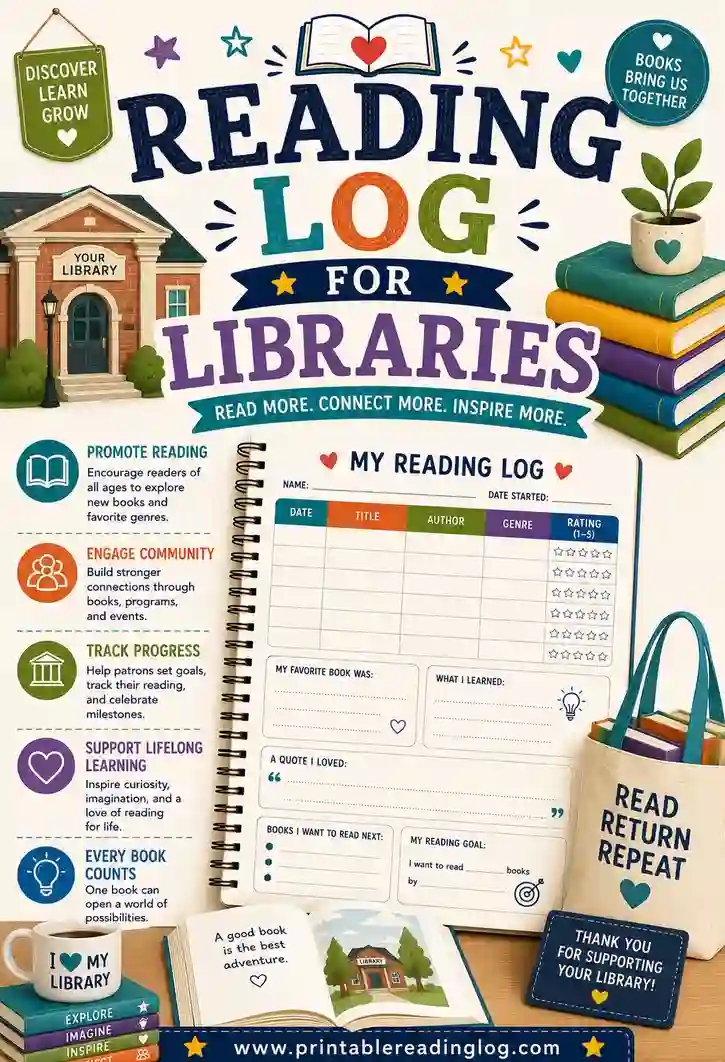
Why Libraries Use Printable Reading Logs
Plenty of libraries run apps and online portals now, but the humble paper log still earns its keep. It works for everyone, no matter their tech access, and it's nearly free to run.
Here's why a printable log beats an app for many library programs:
- No barriers. A paper log needs no smartphone, no email, no account. Every patron can join — kids, seniors, families without devices.
- Cheap to run. Print a stack and you're done. No subscription, no software fees, no IT setup.
- Tangible motivation. A log a patron can hold, fill in, and bring back creates a stronger sense of progress than a hidden online counter.
- Easy to stamp and reward. Staff can stamp a row at each visit, which gives patrons a reason to return — and a reason to chat with you at the desk.
That last point matters more than it sounds. Every stamp is a touchpoint, a chance to recommend a book or sign someone up for the next event.
What to Include on a Library Reading Log
A library log needs a few things a home log doesn't — chiefly, room for staff to mark progress.
Here's a breakdown of what to include and why:
| Element | Purpose | Library-specific? |
|---|---|---|
| Patron name / card # | Identify the reader | Yes |
| Date | Track each session or visit | No |
| Title | Encourage variety | No |
| Minutes or books | The core progress metric | No |
| Staff stamp box | Verify visits, add a touchpoint | Yes |
| Goal tracker | Show the finish line | No |
| Reward checkpoints | Mark prize milestones | Yes |
The staff stamp box and reward checkpoints are what make a log feel like a library log. They turn a private reading record into a shared program with prizes and visits built in. You can add a stamp column easily in the free reading log maker by enabling a "notes" or extra column.
Minutes or books? Pick one
Most library programs track minutes for younger readers (it's fair across reading levels) and books finished for older kids and adults. Some run a "read 10 books, win a tote bag" challenge; others do "1,000 minutes this summer." Decide before you print so every log shows the same clear goal.
Library Reading Log Formats by Program Type
Different library programs call for different logs. Match the format to the program and you'll spend less time explaining and more time stamping.
| Program type | Best log format | Goal style |
|---|---|---|
| Summer reading (kids) | Minutes-based, colorful, goal bar | 600–1,000 minutes |
| Adult winter reading | Books-based, simple grid | Read 6–12 books |
| 1,000 Books Before Kindergarten | Tally / checkbox sheets | 1,000 picture books |
| Reading bingo challenge | Bingo-style grid | Complete a line or full card |
| Family reading program | Shared log, all ages | Whole-family minutes |
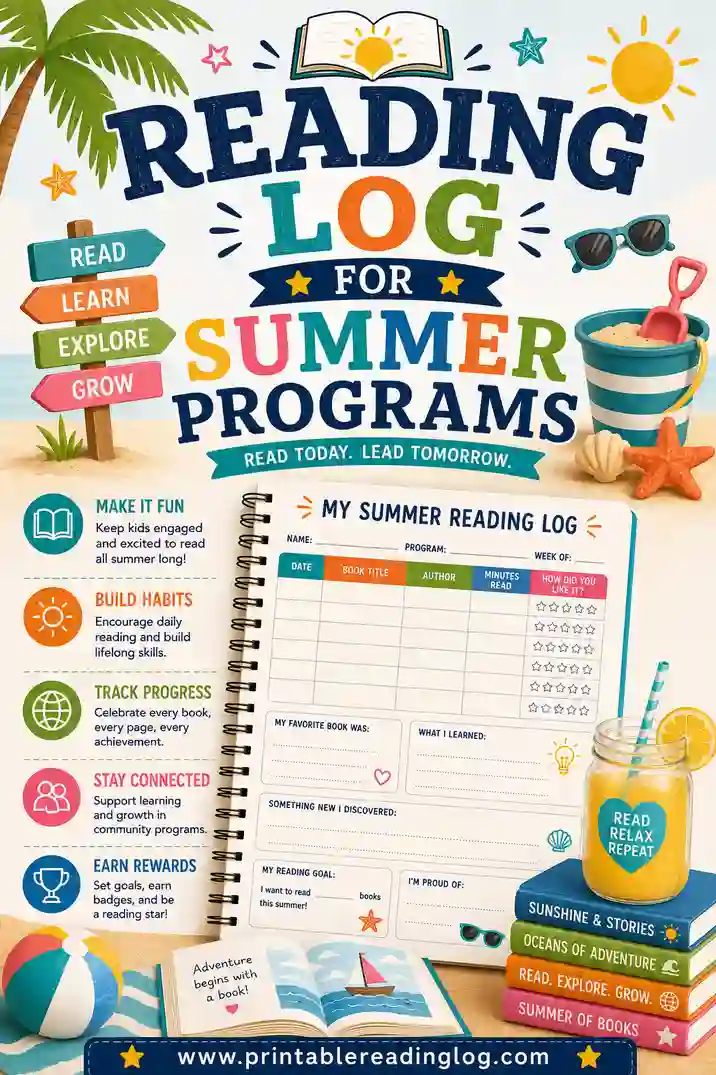
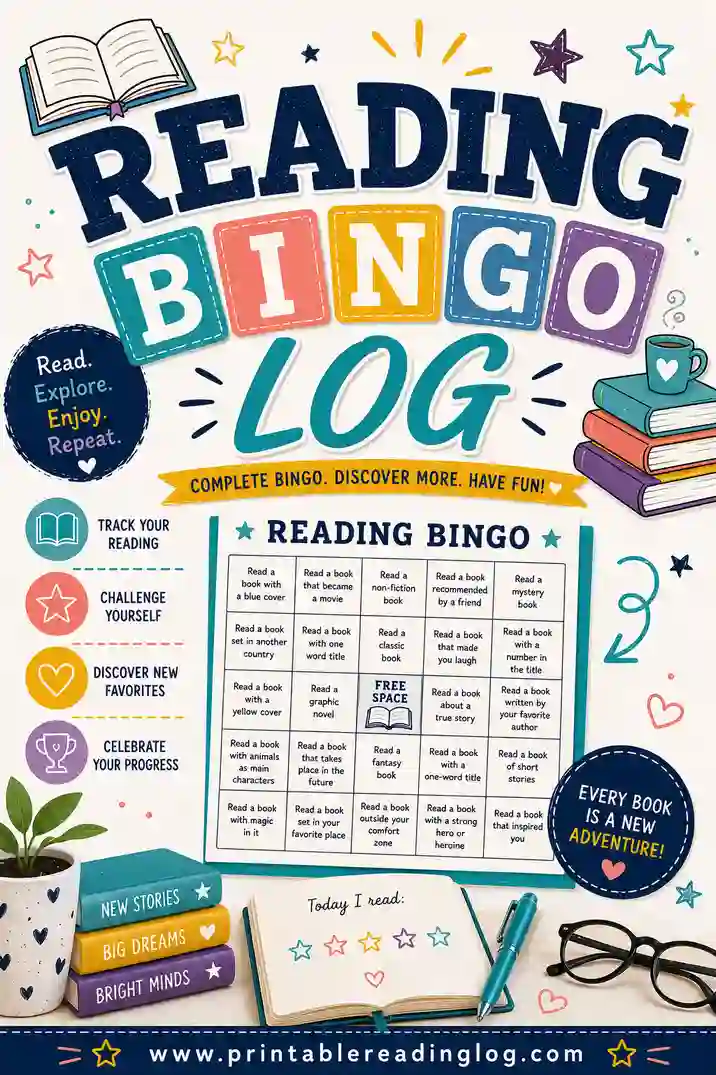
A reading bingo card is a fun twist that gets patrons trying genres they'd skip — "read a mystery," "read a book set somewhere you've never been." Our reading bingo log guide shows how to set one up. For summer specifically, the reading log for summer programs guide covers goals and rewards in depth.
A Sample Library Reading Log
Here's how a few rows might look for a kid in a summer minutes-based program, stamped at each visit:
| Date | Book | Minutes | Stamp |
|---|---|---|---|
| July 1 | "Dog Man" | 20 | ✅ |
| July 3 | Picture book (home) | 15 | ✅ |
| July 5 | "Mercy Watson" | 18 | ✅ |
| July 8 | Library graphic novel | 25 | ✅ |
| July 10 | "Magic Tree House" | 20 | ✅ |
That's 98 minutes across five sessions and five visits to the branch — five chances to recommend the next book. Multiply that across a summer and a whole community, and a simple paper log becomes a real engine for circulation and engagement.
How to Run a Library Reading Program With Logs
A smooth program comes down to a few repeatable steps.
- Print logs in bulk. Use the free tool to make a batch with your branch name, program goal, and reward checkpoints baked in. Print on sturdy paper so logs survive a summer in a backpack.
- Hand them out at sign-up. Pair the log with a quick rundown of the goal, the rewards, and how stamping works. A friendly start sets the tone.
- Stamp at every visit. Each visit, mark a row and ask what they're reading. This is your best moment to recommend titles and build a relationship.
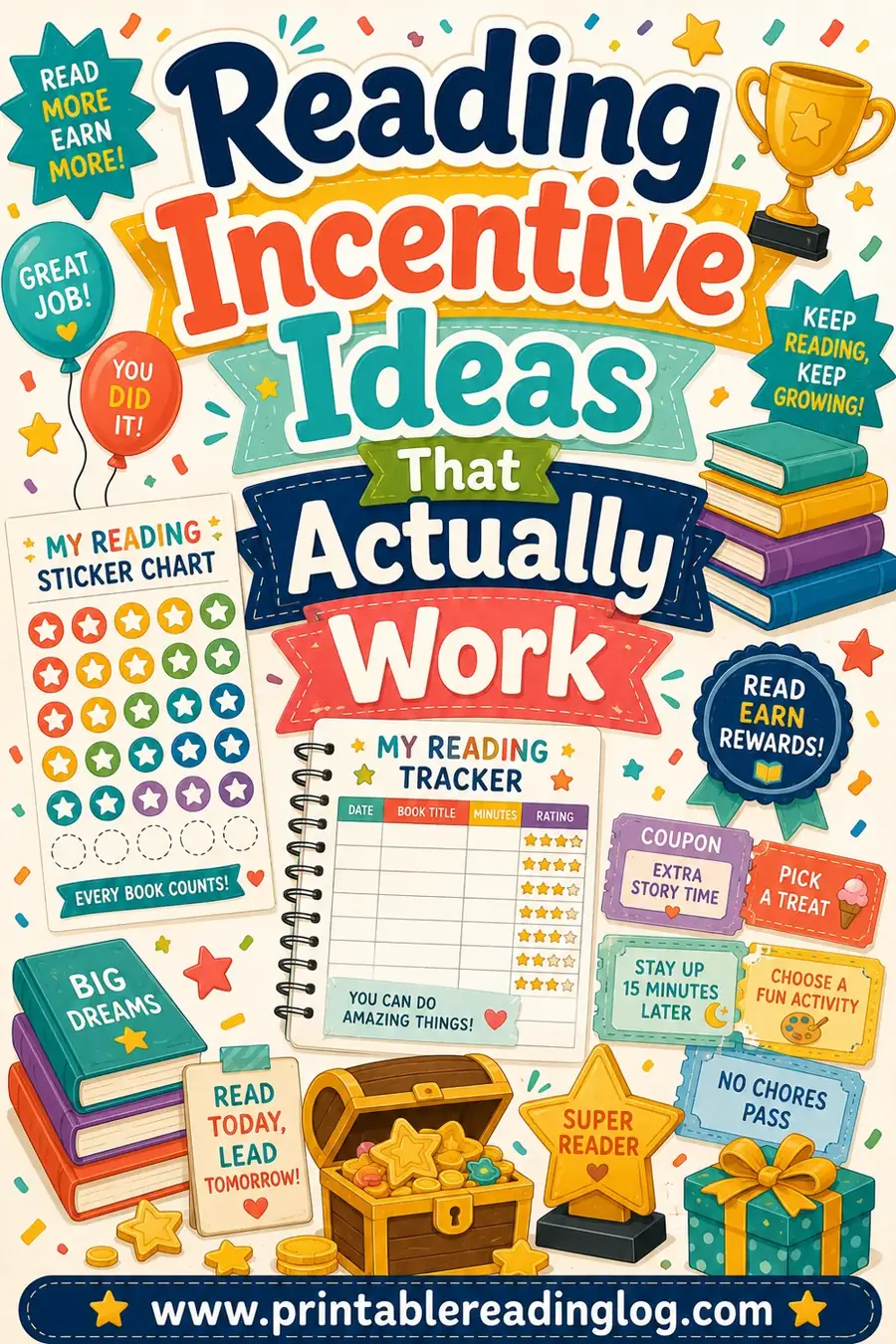
- Reward at milestones. A small prize at the halfway point and a bigger one at the finish keep readers coming back. Our reading incentive ideas guide lists budget-friendly options.
- Celebrate the finishers. A certificate, a name on a wall of readers, or an end-of-program party makes the achievement feel real and gets patrons excited for next time.
Keep it inclusive
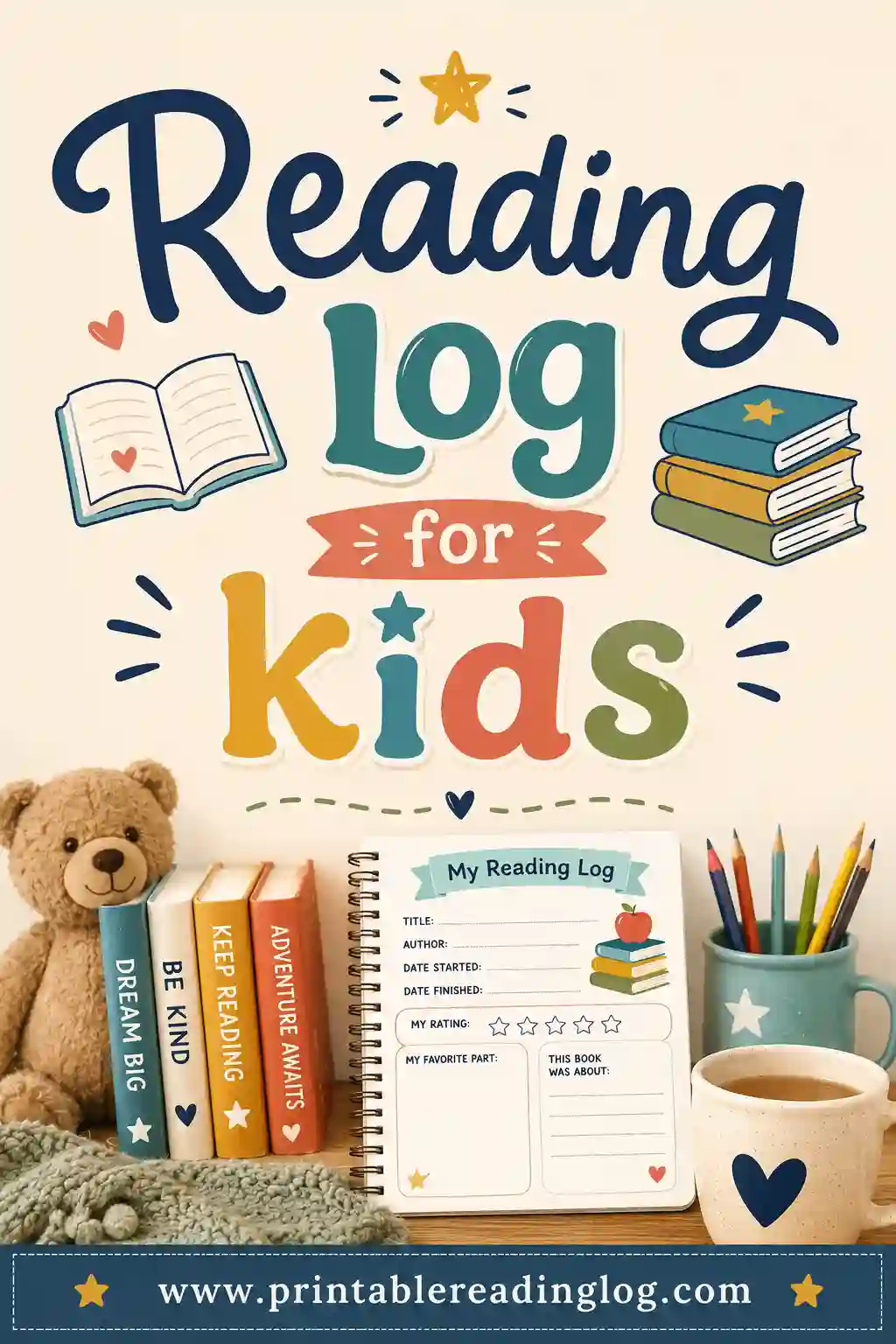
Offer logs in different formats so everyone can join: a minutes-based one for young kids, a books-based one for teens and adults, and large-print or picture versions where needed. The whole point of a paper log is that nobody gets left out. A short reading log for kids variant works well for your youngest patrons.
Boosting Sign-Ups and Keeping Patrons Coming Back
A reading program is only as strong as its participation. The log itself can help you recruit readers and bring them back week after week.
A few proven moves:
- Make sign-up effortless. Hand the log over at the desk with a smile and a 30-second pitch. The fewer hoops, the more sign-ups. No app to download, no form to fill out — just a sheet and a goal.
- Display finished logs. A wall of completed logs, or a "we read X books this summer" tally, turns individual reading into a community effort and nudges newcomers to join.
- Tie events to the log. Story times, author visits, and craft sessions give patrons a reason to come in, stamp a row, and keep their log moving.
- Welcome the whole family. When a parent signs up a child, offer the adult a log too. Family-wide participation multiplies your numbers and models reading at home.
- Follow up gently. A quick "how's your reading going?" at checkout keeps lapsed readers from drifting away. The log gives you a natural opening.
Every one of these turns the log from a passive sheet into an active tool for engagement. A patron with a half-full log has a reason to return — and each return is another chance to connect.
Storing and Reusing Your Log Templates
Once you've designed a log your branch loves, you don't want to rebuild it every season. A little organization saves real time.
Keep your work reusable with these habits:
- Save a master copy. Keep one clean printout and a digital version of each log style — summer kids, adult winter, bingo, family — so you can reprint instantly next time.
- Date your versions. Note the year or program on each template so staff grab the right one. A quick label avoids printing last year's goals by mistake.
- Print in batches. Run a big stack at the start of a program rather than a few at a time. It's cheaper and saves staff from constant trips to the printer.
- Keep blanks at the desk. Always have spare logs within reach for walk-up sign-ups and the inevitable "I lost mine" requests.
With templates saved and stacks printed, launching next season's program becomes a five-minute job instead of a scramble. The free reading log maker lets you rebuild or tweak any layout in seconds if your program changes.
Tips for Designing Library Reading Logs That Get Used
A log that's a chore ends up at the bottom of a tote bag. A few design choices keep them in play:
- Leave room for stamps. Cramped logs are hard to stamp. Give each row a little breathing space.
- Show the goal up top. A visible target — a thermometer, a row of circles, a bingo grid — reminds patrons why they're filling it in.
- Brand it lightly. Your library's name and a friendly title make the log feel official and worth keeping.
- Keep writing minimal. No long summaries. A title, a number, and a stamp is plenty.
- Print a spare stack. Logs get lost, especially with kids. Having extras at the desk saves a lot of "I lost mine" moments.
Get these right and your reading log for libraries becomes something patrons are proud to fill — and a steady reason to keep walking through your doors.
Frequently Asked Questions
What should a library reading log include?
Include a spot for the patron's name or card number, a date column, book title, a minutes-or-books field, a staff stamp box, and a visible goal tracker. Reward checkpoints help mark prize milestones. The stamp box is the library-specific piece — it verifies visits and creates a moment to recommend more books.
Should a library reading log track minutes or books?
It depends on your program. Minutes work best for young readers since they're fair across reading levels, while books-finished suits older kids and adults and powers "read 10 books" challenges. Pick one unit before printing so every log shows the same clear goal.
Are printable reading logs better than apps for libraries?
For many programs, yes. Paper logs need no smartphone, account, or budget for software, so every patron can join — including kids, seniors, and families without devices. They also create a stamp-and-chat moment at the desk that an app can't replicate. Many libraries use both.
How do libraries reward readers using a log?
Tie rewards to milestones marked on the log: a small prize at the halfway point and a bigger one at the finish. Stickers or stamps at each visit, certificates for finishers, and an end-of-program party all work. Our reading incentive ideas guide lists low-cost options.
Can one log work for a whole-family reading program?
Yes. Use a shared log where each family member's minutes add up toward one goal, or print an individual log per person and total them at the desk. The free reading log maker lets you customize columns so the same format fits kids, teens, and adults.
Is this library reading log free to print?
Completely free. You build and print it yourself with no sign-up, no watermark, and no app. Make a single log or a full branch's worth of copies in a couple of clicks and print as many as your program needs.
Ready to Print Your Library Reading Logs?
A great reading log for libraries is simple, stampable, and built around a clear goal — the kind of thing patrons are happy to carry and bring back. Set your program goal, leave room for stamps, and tie rewards to milestones. Open the free reading log maker, pick your layout, and print logs for the whole branch in minutes. For more ideas, browse our guides on reading bingo logs and reading incentive ideas. Happy reading, and happy stamping.