Reading Level Explained: A Simple Parent's Guide
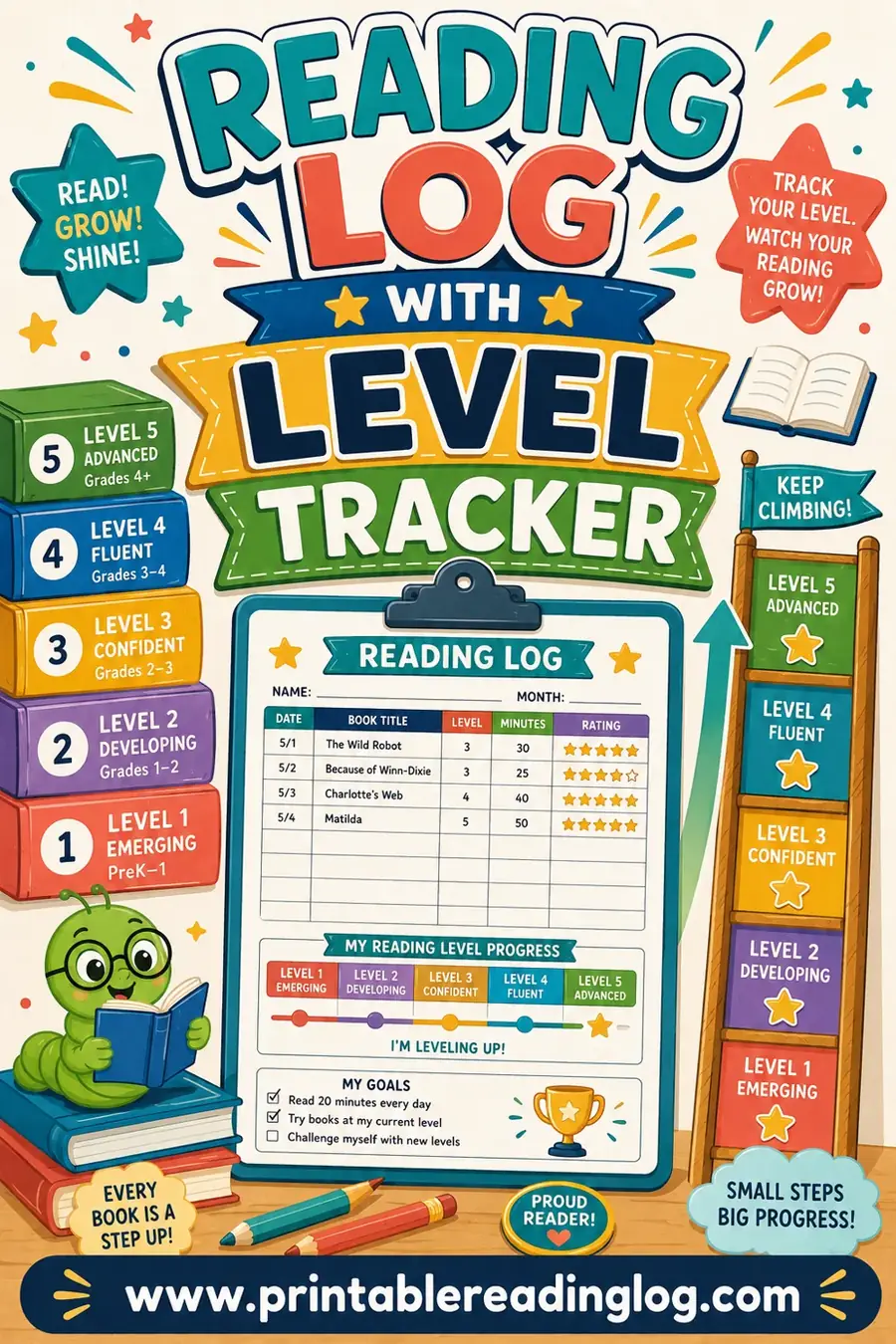
A reading level is a label that says how hard a book is and how strong a reader needs to be to handle it. Schools use systems like Lexile, Guided Reading (the A-Z letters), DRA, and AR to match kids with books that aren't too easy or too hard. In plain terms, your child's reading level is the sweet spot where they read smoothly, understand the story, and only stumble on a word here and there. The simplest way to track it over time is to jot the level next to each book on a free printable reading log.
Want a clean sheet to record levels as your child grows? Open the free log builder, add a "level" column, and print a page you can clip to the fridge or tuck in a homework folder. No app, no account, no cost.
What Does "Reading Level" Actually Mean?
A reading level rolls two things into one label: how hard a book is, and how skilled a reader is. When a teacher says a book is "at a Level M" or "650 Lexile," they're describing the text. When they say your child "reads at a Level M," they mean your child can handle a book of that difficulty comfortably.
The goal is a good match. A book that's too easy gets boring fast. A book that's too hard turns reading into a chore, and your child quits before the story gets good. The right level keeps a kid in the zone where they're challenged just enough to grow, but not so much that they give up.
Here's the part that confuses most parents: there's no single, universal scale. Different schools and programs use different systems, and they don't line up perfectly. Your job isn't to memorize all of them. It's to understand the one your child's school uses, then loosely translate it when you shop for books.
The Main Reading Level Systems (and What They Look Like)
There are four systems you'll bump into most often. Each measures roughly the same thing, just with different labels.
- Lexile. A number followed by an "L," like 450L or 820L. Higher numbers mean harder text. It's the most common system for matching books to readers because it scales smoothly from picture books up to adult novels.
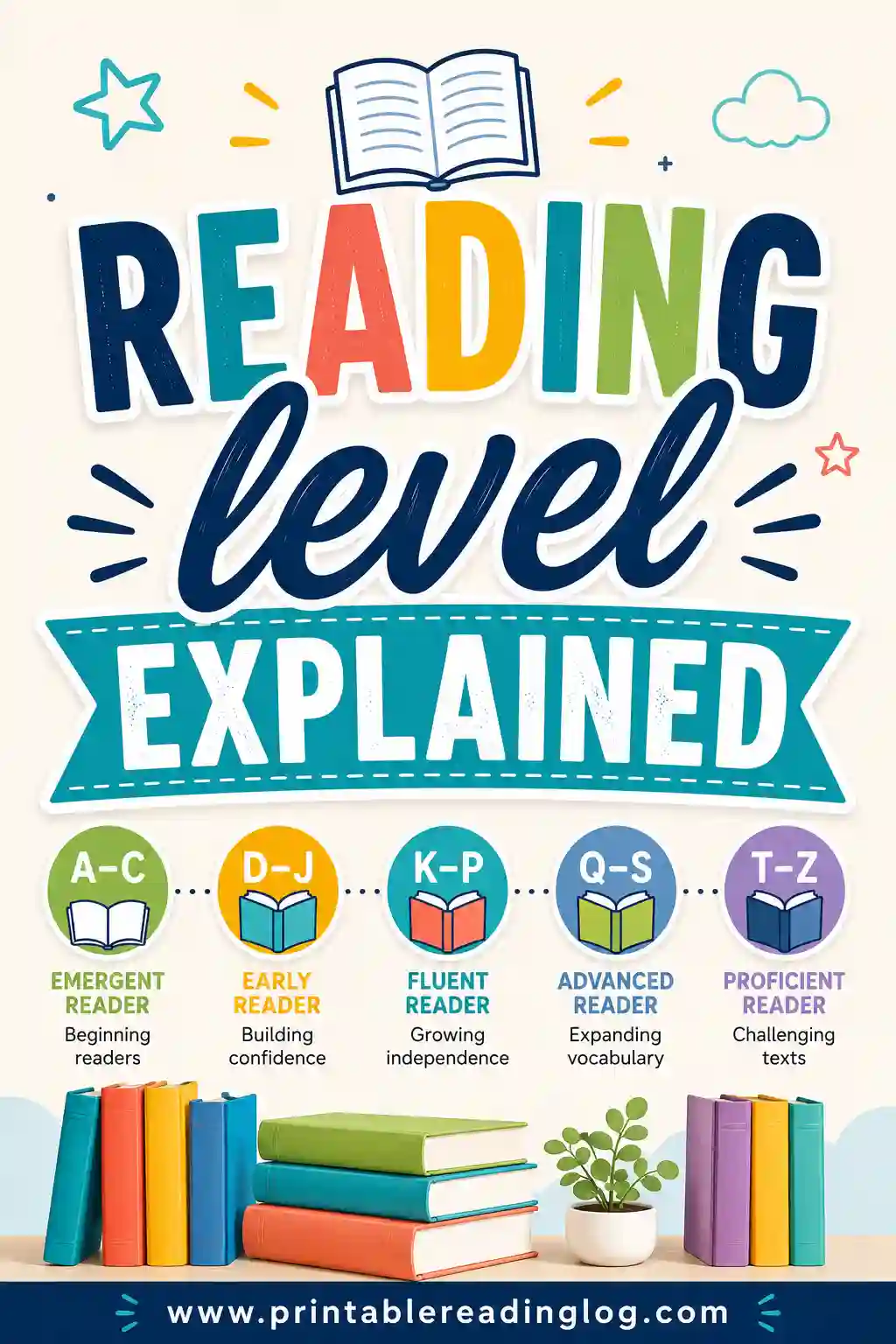
- Guided Reading (Fountas & Pinnell). The A-Z letter system. "A" is the very start of reading; "Z" is upper middle school. This is what most elementary teachers use day to day.
- DRA (Developmental Reading Assessment). A number scale, usually 1 to 80. Schools use it for benchmark testing a few times a year.
- AR (Accelerated Reader / ATOS). Uses a grade-level decimal, like 3.5, meaning third grade, fifth month. Often paired with quizzes and points after a child finishes a book.
You don't need to love all four. Find out which one your school reports, and lean on that. The chart below shows roughly how they line up so you can translate when needed.
Quick reading-level comparison chart
| Grade | Guided Reading | Lexile (approx.) | DRA | AR / ATOS |
|---|---|---|---|---|
| Kindergarten | A–D | BR–230L | 1–6 | 0.0–1.0 |
| 1st grade | C–I | 190L–530L | 4–18 | 1.0–2.0 |
| 2nd grade | I–M | 420L–650L | 18–28 | 2.0–3.0 |
| 3rd grade | M–P | 520L–820L | 28–38 | 3.0–4.0 |
| 4th grade | P–S | 740L–940L | 38–40 | 4.0–5.0 |
| 5th grade | S–V | 830L–1010L | 40–50 | 5.0–6.0 |
| Middle school | V–Z | 925L–1185L | 50–80 | 6.0–8.0 |
These ranges overlap on purpose. A strong reader in second grade might be reading at a Level P, and that's completely fine. Use the chart as a loose map, not a rulebook.
How to Find Your Child's Reading Level
You have a few easy ways to figure out where your child stands, and you don't need any special tools.
- Ask the teacher. This is the fastest route. Teachers test reading levels several times a year and will happily share the current letter, number, or Lexile. Ask at a conference or send a quick email.
- Check the report card or parent portal. Many schools list the reading level right on progress reports or in their online portal.
- Use the five-finger test. Have your child read a page out loud. Hold up a finger for each word they can't read. Zero or one finger means the book is easy. Two or three is just right. Four or five means it's too hard for now.
- Look up a book they read well. If your child breezed through a specific book, search its title plus "Lexile" or "reading level" online. That tells you roughly where they are.
The five-finger test is the one to keep in your back pocket. It takes thirty seconds, works in any bookstore or library, and needs no technology at all.
"Just Right," Too Easy, Too Hard
Every book a child picks up falls into one of three buckets. Knowing the difference saves a lot of frustration.
- Too easy (independent level). Your child reads it fluently with near-perfect accuracy. Great for building confidence and reading for pure fun. Let them re-read favorites here as much as they want.
- Just right (instructional level). Smooth reading with a few tricky words. This is where real growth happens, especially with a little support nearby.
- Too hard (frustration level). More than a handful of unknown words per page, choppy reading, and lost meaning. Save these for read-alouds where you do the reading.
A healthy reading diet mixes all three. Easy books for confidence, just-right books for growth, and hard books shared with you so big ideas and rich vocabulary still reach them.
Why Tracking Reading Level Over Time Helps
A single level is a snapshot. The real story is the trend. When you record levels on a log over weeks and months, you can actually see progress that's otherwise invisible day to day.
Tracking helps you:
- Spot growth. Watching a child move from Level G to Level K over a school year is genuinely motivating, for them and for you.
- Catch a plateau early. If the level hasn't budged in a few months, it's a signal to check in with the teacher.
- Choose better books. A logged level next to each title makes your next library trip faster and smarter.
- Celebrate the right things. You can reward effort and growth, not just finishing a book.
A free reading log with a level tracker makes this painless. Add the level beside the title and date, and a few months later you've got a clear record of how far your reader has come.
Sample reading log with a level column
| Date | Book title | Level | Minutes | How it felt |
|---|---|---|---|---|
| Mar 3 | Frog and Toad | J | 15 | Just right |
| Mar 6 | The Bad Guys #1 | M | 20 | A little easy |
| Mar 9 | Mercy Watson | K | 15 | Just right |
| Mar 12 | Magic Tree House #1 | M | 25 | Just right |
| Mar 15 | Dog Man | N | 20 | Loved it |
Keeping it this simple is the secret. Five columns, one line per book, and you'll have a running picture of your child's reading life.
Common Myths About Reading Levels
A few misunderstandings cause needless worry. Let's clear them up.
- "My child must only read at their level." Not true. Kids should read easier and harder books too. Levels guide instruction; they shouldn't fence off the library.
- "A lower level means my child is behind." Levels vary a lot at the same age, and they jump around. One number isn't a verdict.
- "Higher level is always better." A child pushed into books too hard often reads the words but misses the meaning. Comprehension matters more than the label.
- "Levels never change." They shift constantly as kids grow. A summer of reading can move a child up more than one band.
Treat the level as a helpful tool, not a grade or a ranking. It exists to match kids with books, nothing more.
Helping Your Child Move Up a Level
Growth comes from practice, not pressure. A few simple habits do most of the work.
- Read every day. Even 15 to 20 minutes a day beats a long session once a week. Consistency builds skill.
- Mix in just-right books. These do the heavy lifting for growth, so make sure some of the stack lands there.
- Talk about the story. Ask what happened and why a character did something. Comprehension lifts the level as much as decoding does.
- Keep reading aloud. Reading above their level to them grows vocabulary and a love of stories, which pays off later.
- Log it. Track books and levels so progress is visible and worth celebrating.
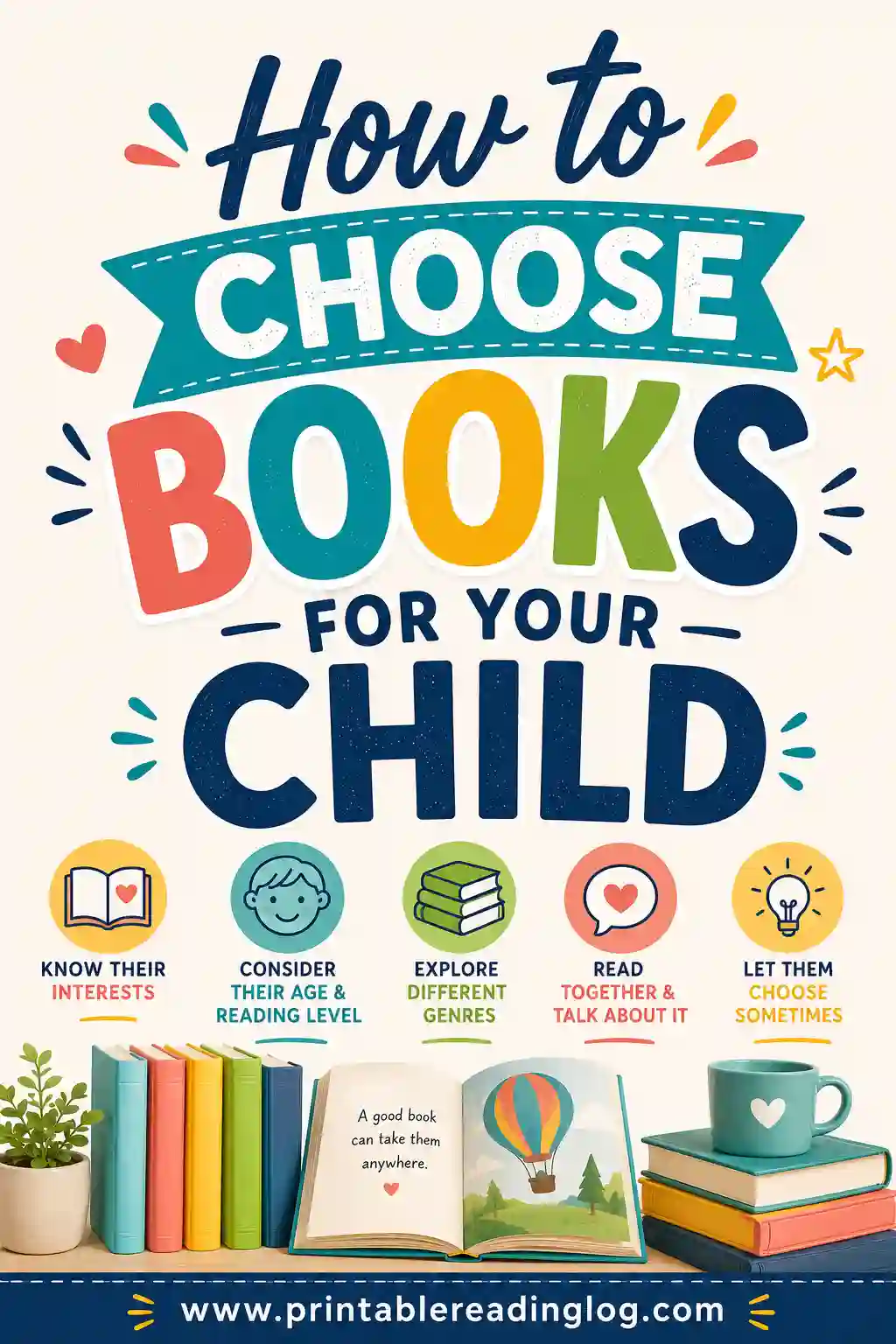
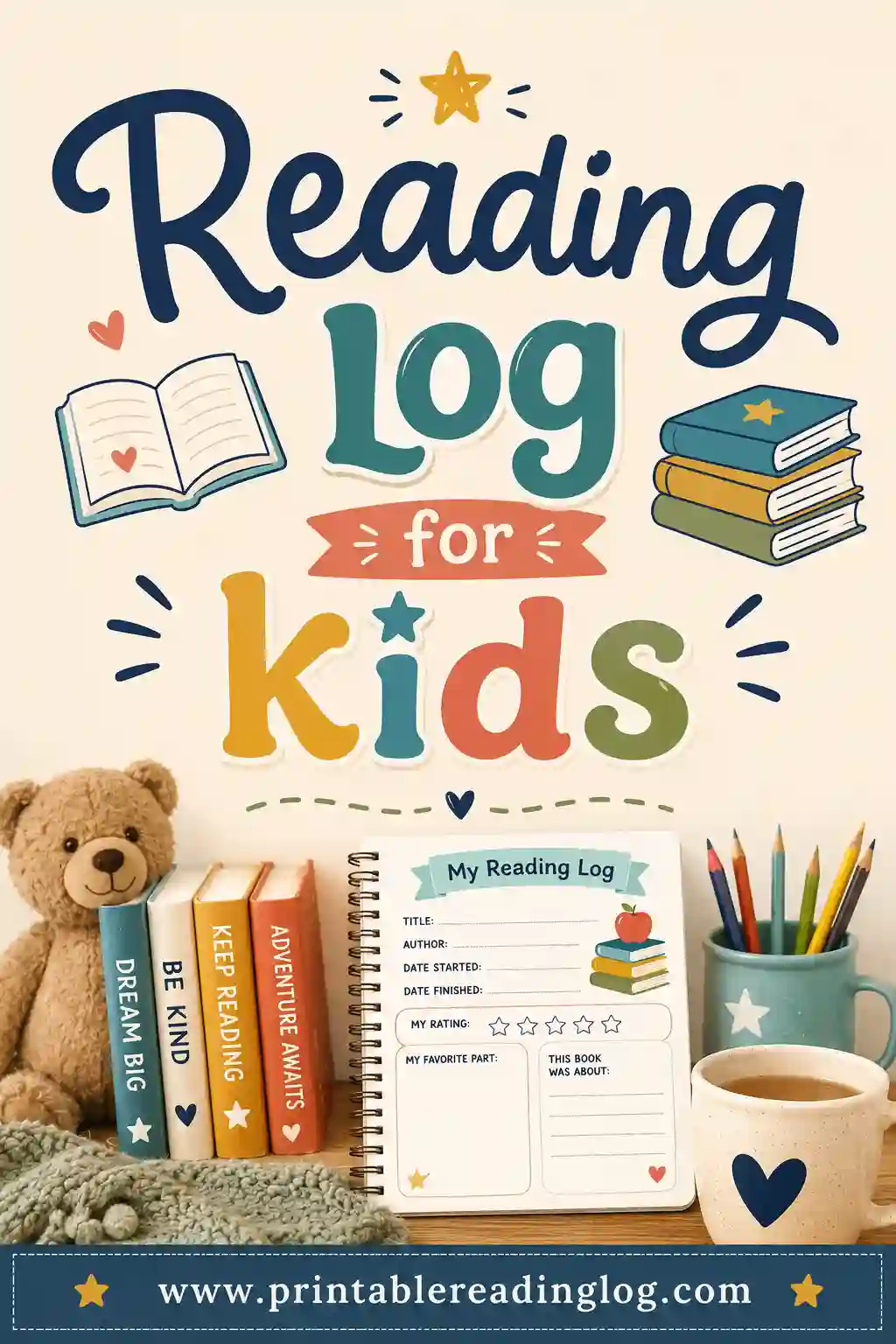
For more on picking books that fit, see our guide on how to choose books for your child. And for kids who need an easy place to start, a simple reading log for kids keeps the habit fun.
Frequently Asked Questions
What is a reading level in simple terms?
It's a label that matches how hard a book is to how skilled a reader is. When your child's level matches a book's level, they read it smoothly, understand it, and only trip on a word here and there. That match is the whole point.
How do I find my child's reading level for free?
Ask the teacher, check the school portal or report card, or use the five-finger test at home. Have your child read a page aloud and raise a finger for each missed word. Two or three fingers means the book is at their level.
Are Lexile and Guided Reading levels the same?
No, they're different systems measuring similar things. Lexile uses numbers with an "L" (like 600L), while Guided Reading uses letters A through Z. The comparison chart above shows roughly how they line up by grade.
Should my child only read books at their level?
No. Levels guide instruction, but kids benefit from easier books for confidence and harder books read aloud with you. A good mix of all three levels builds the strongest, happiest readers.
How often does a child's reading level change?
It can change every few weeks, especially with daily reading. Schools usually re-test a few times a year, but growth happens continuously. A summer of regular reading can move a child up a full band.
Does tracking reading level really matter?
Yes, because a single level is just a snapshot. Logging levels over time shows the trend, which helps you spot growth, catch a plateau, and choose better books. A simple reading log makes it easy.
Start Tracking Your Reader's Level Today
Now that reading levels are clear, the next step is to keep a simple record. Open the free reading log builder, add a column for the level, and print a page to track every book your child finishes. It's free, there's no sign-up, and a few months from now you'll see exactly how far your reader has come. Happy reading.