How to Choose Books for Your Child: A Practical Guide
To choose books for your child, start with what they love, match the difficulty to their reading level, and aim for books that are interesting but not frustrating. Use the five-finger test to check the fit, lean on their current obsessions to spark interest, and let them have a say so reading feels like a choice, not a chore. Then track what they read on a free printable reading log so you can spot what works and find more of it.
Want a simple way to remember every book that landed well? Open the free log builder, print a page, and jot the title, rating, and a note after each book. No app, no account, no cost.
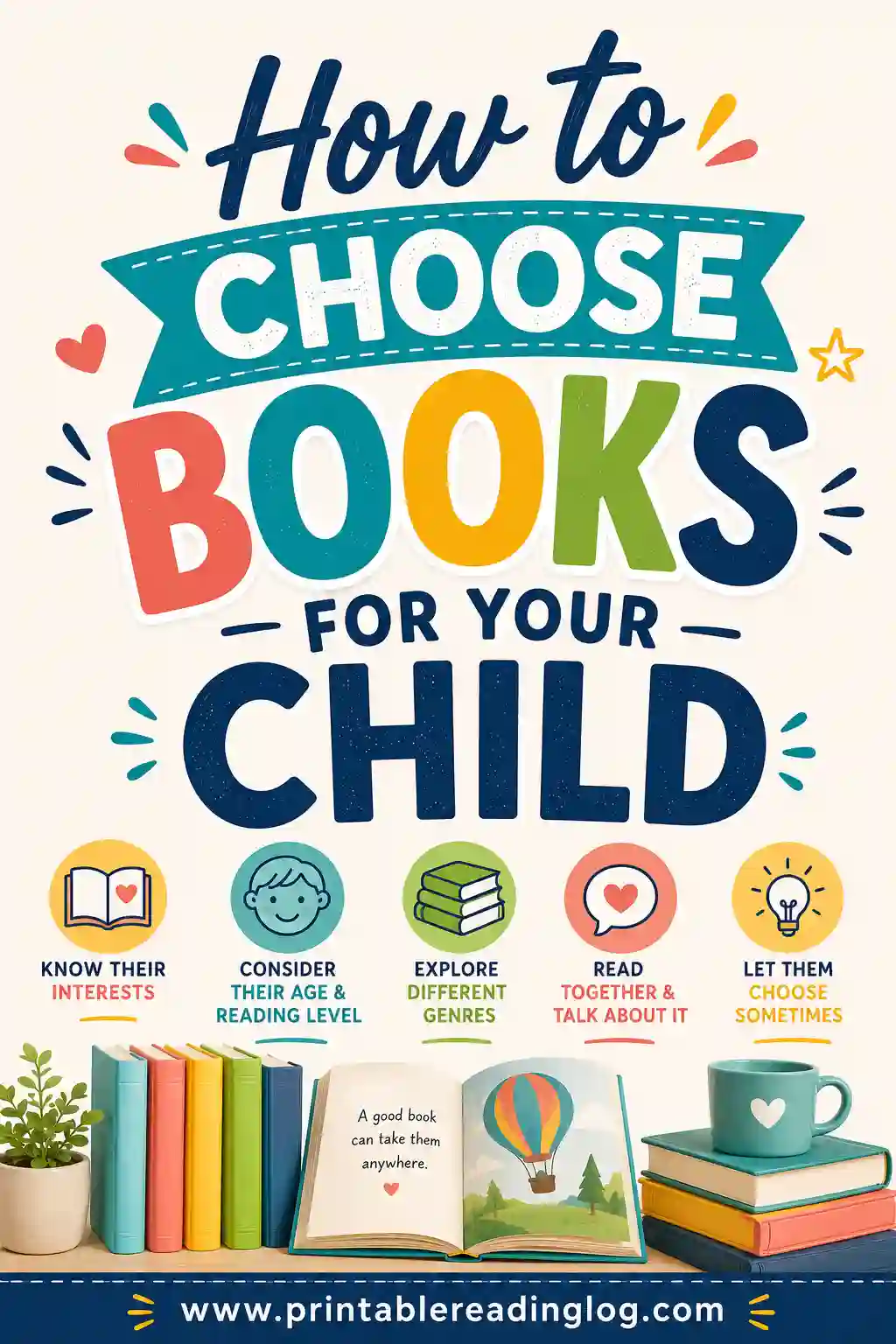
Start With Interest, Not Level
The biggest mistake parents make is leading with reading level. Level matters, but interest matters more. A kid will push through a slightly hard book about dinosaurs, but won't touch an easy book about a topic they find boring.
So begin with a question: what does your child actually like right now? Soccer, space, dragons, slime, a favorite show, a pet they wish they had. Whatever lights them up, there's a book about it. Interest is the engine that pulls a reluctant reader through the pages.
Once you know the interest, then layer in the level. The order is intentional. Interest first decides what the book is about; level second decides which version of that topic fits. Done in that order, you almost always land on a book your child wants to finish.
Match the Reading Level (Without Stressing About It)
Reading level is just about fit. You want a book that's challenging enough to grow on but easy enough to enjoy. The fastest at-home check is the five-finger test.
Have your child read one page out loud. For each word they can't read, raise a finger:
- 0–1 fingers: Easy. Great for confidence and fun re-reads.
- 2–3 fingers: Just right. This is the sweet spot for growth.
- 4–5 fingers: Too hard for now. Save it for a read-aloud you do together.
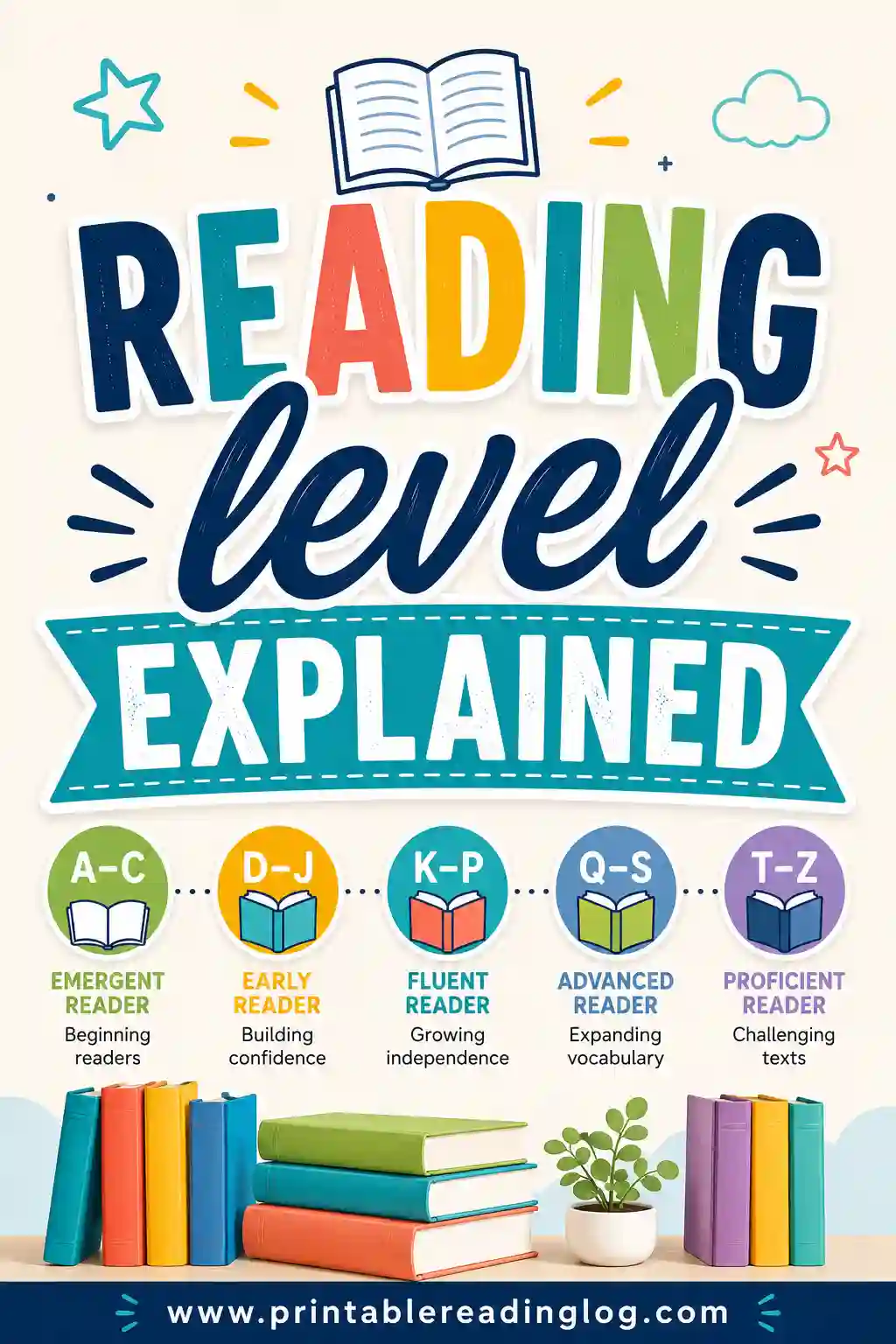
That's it. Thirty seconds, no technology, works in any library or bookstore. If you want a deeper look at the letter and number systems schools use, our guide on reading level explained breaks them all down in plain English.
Don't get rigid about it. A child reading a too-easy book about something they adore is still reading, and that's a win. The level is a guide, not a gate.
Use the Five-Finger Test and These Quick Checks
Beyond the five-finger test, a few fast checks help you size up a book in under a minute at the shelf.
- Read the first page. If it grabs your child, that's a strong sign. If they're squirming, move on.
- Scan for white space. More space between lines and short chapters feel less intimidating to newer or reluctant readers.
- Check the cover and blurb together. Let your child decide if it looks interesting. Buy-in is half the battle.
- Flip to a random page. Make sure the words and themes feel right, not too hard and not too babyish.
Book-picking checklist by goal
| Your goal | What to look for | Good for |
|---|---|---|
| Build confidence | Easy text, short chapters, familiar topic | New or reluctant readers |
| Grow skills | Just-right level, a little challenge | Steady, on-track readers |
| Spark a love of reading | Favorite topic, funny or exciting | Kids who say reading is boring |
| Stretch vocabulary | Slightly above level, read aloud together | All ages, shared reading |
| Keep a series going | Next book in a loved series | Kids who just found a favorite |
Pick the goal for the moment, then match the book to it. You don't need every book to do everything. One book builds confidence, the next stretches skills, and a series book keeps the momentum going.
Pick by Age and Stage
Age gives you a rough starting point for format and length. These are general guides, not strict rules, since kids vary a lot.
- Toddlers (1–3): Board books, simple pictures, lots of repetition. Durability matters more than plot.
- Preschool (3–5): Picture books with rhythm and rhyme. Read aloud and point to words as you go.
- Early readers (5–7): Leveled readers and easy chapter books with pictures. Short and high-success builds confidence.
- Independent readers (7–9): Chapter books and beloved series. This is prime series-obsession age, so lean into it.
- Middle grade (9–12): Longer novels, real character arcs, more complex topics. Let interests lead.
Use age to choose the format, then use interest and level to pick the actual title. A nine-year-old might still love a picture book at bedtime and a thick chapter book during the day, and both are fine.
Let Your Child Choose (This Is the Secret)
Here's the move that changes everything: give your child real choice. Kids who pick their own books read more, full stop. Ownership turns reading from an assignment into something they want to do.
That doesn't mean total free rein. Try the "menu" approach. You pre-select three or four books that fit their level and interests, then let them choose from your shortlist. They get the feeling of control, and you've quietly steered them toward good options.
A few ways to widen the menu:
- Visit the library weekly. Free, low-stakes, and you can grab a stack and return what flops.
- Follow the series. When a child loves one book, the next in the series is the easiest yes you'll ever get.
- Try graphic novels and audiobooks. Both absolutely count as reading and often hook reluctant readers.
- Re-read favorites. Re-reading builds fluency and confidence. Don't fight it.
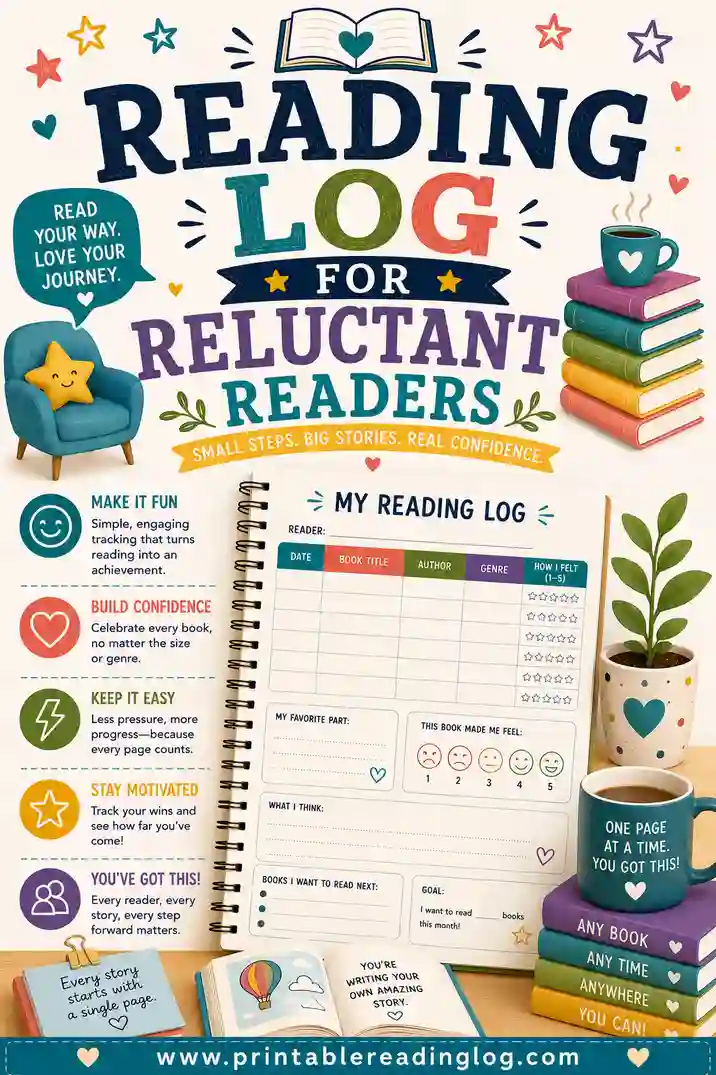
If reading is a struggle in your house, our guide for a reading log for reluctant readers has more gentle, no-pressure ideas that work.
Track What Works on a Reading Log
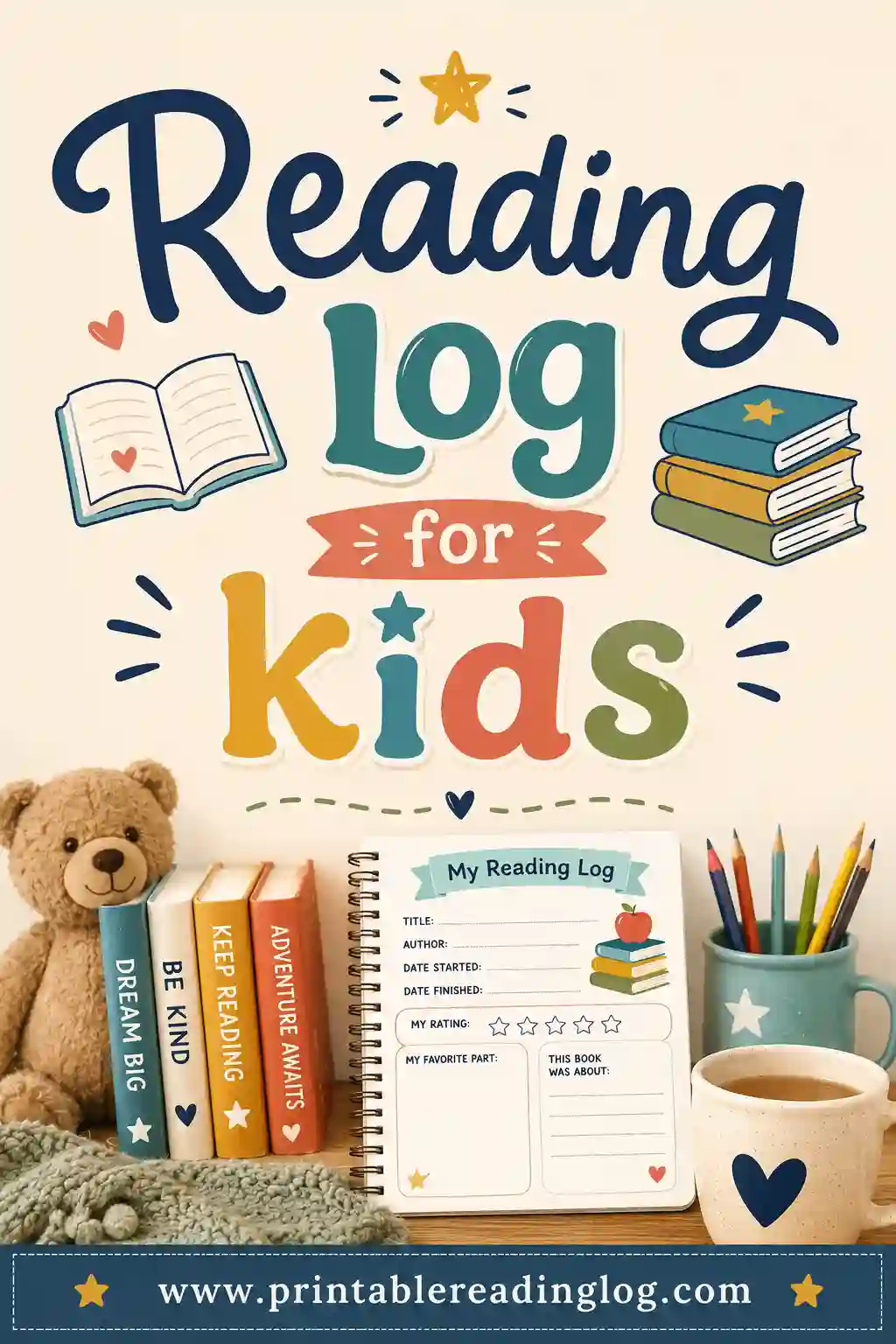
Once your child starts choosing books, a reading log becomes your best tool for finding more wins. Jot the title, a quick rating, and a one-word note after each book. Over a few weeks, a pattern appears, and that pattern is gold for picking the next book.
A log helps you:
- Spot the hits. Five-star books reveal exactly what your child loves, so you can find similar titles.
- Skip the misses. A note like "too long" or "scary" tells you what to avoid next time.
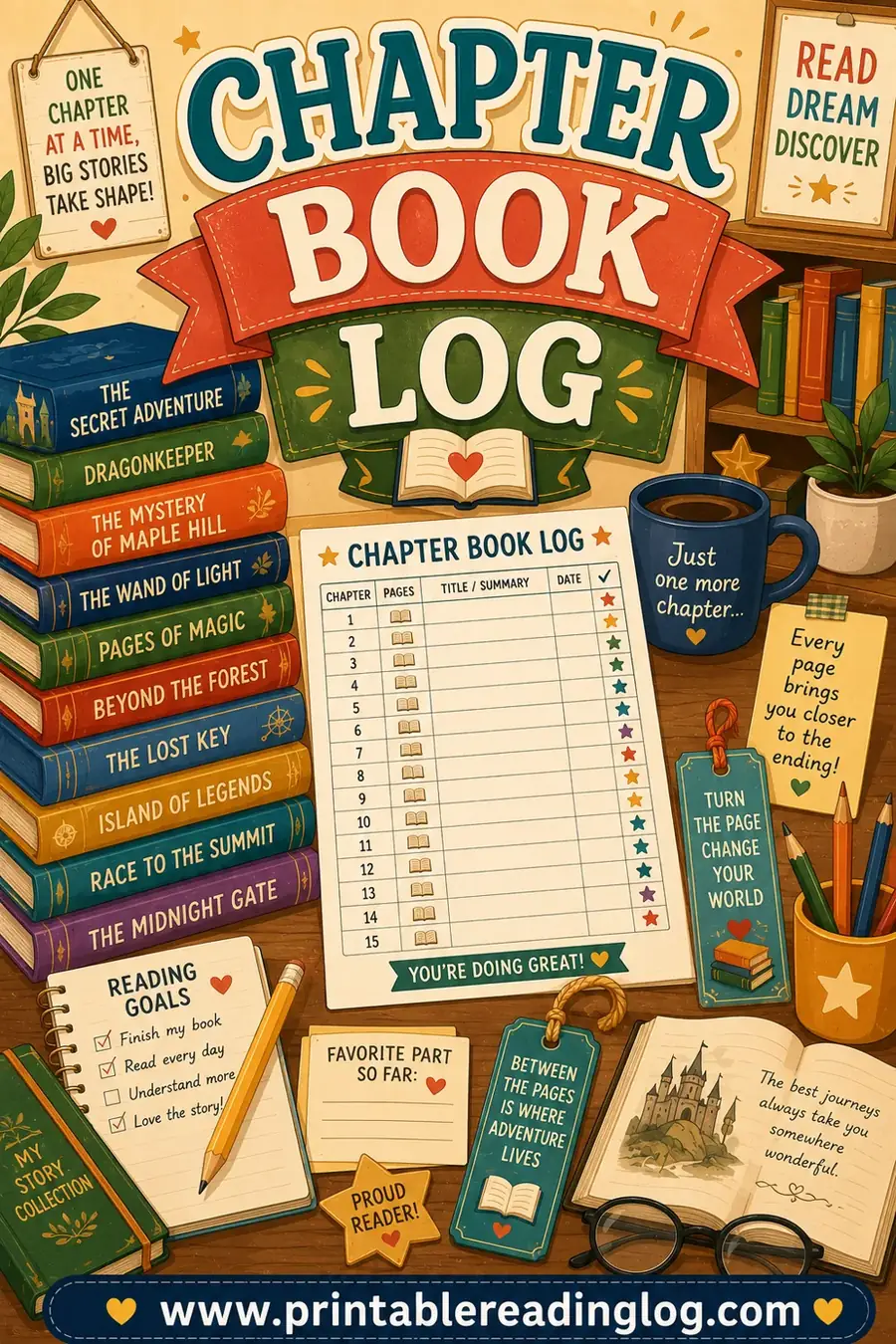
- Keep a series on track. Number the books so nobody loses their place.
- Celebrate progress. Watching the list grow is motivating all on its own.
Sample book-choice log
| Date | Book title | Topic | Rating | Note |
|---|---|---|---|---|
| Apr 2 | Dog Man | Funny, comics | ⭐⭐⭐⭐⭐ | Wants the whole series |
| Apr 6 | The Magic Tree House #1 | Adventure | ⭐⭐⭐⭐ | Read fast, liked it |
| Apr 9 | Charlotte's Web | Animals | ⭐⭐⭐ | A bit long, read aloud |
| Apr 13 | Bad Guys #2 | Funny, comics | ⭐⭐⭐⭐⭐ | Same vibe as Dog Man |
| Apr 16 | National Geographic Kids: Sharks | Nonfiction | ⭐⭐⭐⭐ | Loved the photos |
Look at that log and the next book choice writes itself: more funny graphic novels and more nonfiction with great pictures. That's the whole point of tracking.
What to Do When Your Child Won't Read
Sometimes the problem isn't the book, it's the reading itself. A few resets usually help.
- Lower the difficulty. Drop to an easier, funnier book to rebuild confidence and momentum.
- Try a new format. Graphic novels, joke books, audiobooks, and magazines all count and often break a slump.
- Read together. Take turns reading pages, or read aloud while they follow along.
- Shrink the goal. Ten minutes a day, no pressure. Small and consistent beats long and rare.
- Make it cozy. A reading nook, a snack, and a no-quiz rule make reading feel like a treat.
The aim is to keep reading positive. A kid who associates books with stress reads less, not more. Keep it light, keep it fun, and let the log show you what's working.
Frequently Asked Questions
How do I know if a book is too hard for my child?
Use the five-finger test. Have your child read one page aloud and raise a finger for each word they can't read. Four or five fingers means it's too hard for independent reading, so save it for reading aloud together instead.
Should I let my child choose their own books?
Yes. Kids who choose their own books read more and enjoy it more. To keep the picks on track, offer a "menu" of three or four good options you've pre-selected, then let them choose from your shortlist.
Do graphic novels and audiobooks count as reading?
Absolutely. Graphic novels build vocabulary and comprehension, and audiobooks support listening skills and a love of stories. Both are real reading, and both are great for hooking a reluctant reader.
How do I choose books for a reluctant reader?
Lead with their interests, keep the books easy and short, and try fun formats like comics or joke books. Lower the pressure, read together, and celebrate every book finished. A reading log helps you spot which kinds of books actually click.
What's the best book length for a young reader?
Shorter is better for newer and reluctant readers. Short chapters and plenty of white space feel less intimidating and give kids quick wins. As confidence grows, you can gradually move to longer books and series.
How can a reading log help me choose better books?
A log records each book's title, rating, and a quick note. Over time, the five-star books reveal exactly what your child loves, so your next pick is easy. The notes also flag what to avoid, like books that were too long or too scary.
Start Building Your Child's Reading List Today
Now you've got a simple system: interest first, level second, real choice always. The last piece is to keep track of what works. Open the free reading log builder, print a page, and record every book your child reads along with a quick rating. It's free, there's no sign-up, and soon you'll know exactly how to pick the next book they'll love. Happy reading.