Printable vs App Reading Tracking: Which Wins?
Printable reading tracking uses a paper log you fill in by hand, while app tracking uses software like Goodreads or StoryGraph on your phone. Printables are free, private, screen-free, and dead simple, which makes them ideal for kids, classrooms, and anyone who wants less screen time. Apps add automatic stats and social features, but they need accounts, internet, and a phone in hand. For most everyday tracking, a printable wins on simplicity and focus.
Want to try the paper route right now? Open the free reading log maker, pick a layout, and print a clean sheet in under a minute. No app to download, no account, no cost.
The Quick Answer
If you want the short version: choose a printable when you value simplicity, privacy, and being screen-free, and choose an app when you want automatic stats, reminders, and a social reading community. Many readers actually use both, a printable for daily logging and an app for their long-term library.
The rest of this guide breaks down exactly where each one shines, so you can pick with confidence instead of guessing.
Printable Reading Tracking: The Strengths
A printable log is a sheet of paper with rows for your books or sessions. You write, you done. That plainness is its superpower.
- It's free. No subscription, no in-app purchases, no upsells. You print and go.
- It's private. Your reading stays on paper in your home. No account, no data collection, no algorithm watching what you read.
- It's screen-free. For kids especially, this matters. A paper log doesn't tempt anyone into scrolling.
- It works offline, always. No app crash, no lost login, no "server is down." Paper just works.
- It's flexible. Want a notes column? A star rating? Bigger rows for little hands? Print exactly the layout you want.
- It builds a tactile habit. The small ritual of writing down a finished book is satisfying in a way tapping a screen isn't.
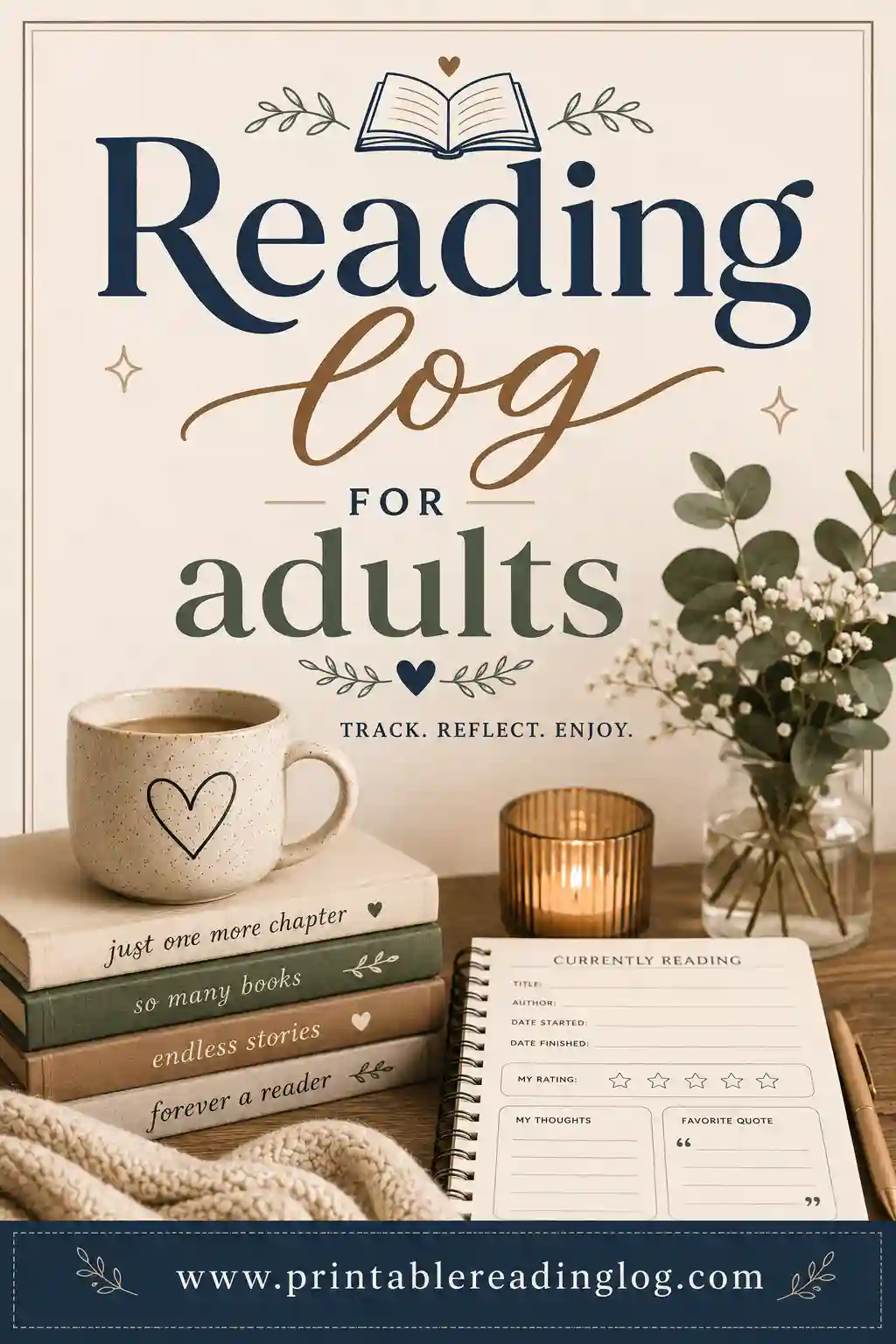
This is why teachers send home paper logs, why parents use them with young readers, and why plenty of adults keep a reading log for adults on their nightstand instead of an app.
Printable Reading Tracking: The Trade-Offs
Paper isn't perfect, and it's only fair to say so.
- No automatic stats. If you want your average rating or pages-per-month, you do the math yourself.
- It can get lost. A single sheet can vanish. A binder or folder fixes this, but it's a step.
- No reminders. Paper won't nudge you to read. You bring the motivation.
- Harder to search. Finding "that book I read two years ago" means flipping pages, not typing a search.
None of these are dealbreakers for most people, but they're real. If you live and die by data and reminders, an app may suit you better.
App Reading Tracking: The Strengths
Reading apps put your library in your pocket and add features paper can't.
- Automatic stats. Pages read, books per month, average rating, all calculated for you.
- Reminders and streaks. The app can nudge you to keep a daily reading streak alive.
- Search and sort. Find any book in seconds across years of reading.
- Social features. See what friends are reading, share reviews, get recommendations.
- Barcode scanning. Add a book by scanning its cover instead of typing the title.
If you read a lot, love numbers, and enjoy the social side of books, an app delivers things paper simply can't.
App Reading Tracking: The Trade-Offs
Apps come with strings attached, and they're worth knowing before you commit.
- Accounts and data. You sign up, and the company gathers data about what you read.
- Screen time. Logging happens on the same device full of notifications and feeds.
- It can disappear. Apps shut down, change owners, or lock features behind a paywall. Your data may not be easy to export.
- Distraction. "I'll just log this book" can turn into thirty minutes of scrolling.
- Not great for kids. Most reading apps aren't designed for young children, and many parents don't want to hand a phone to a six-year-old to log a picture book.
If a screen-free, account-free, low-distraction system appeals to you, this is where apps lose ground. A printable Goodreads alternative gives you the tracking without the data trade.
Printable vs App: Side-by-Side
Here's the comparison most readers come looking for.
| Factor | Printable Log | Reading App |
|---|---|---|
| Cost | Free | Free to paid |
| Account needed | No | Usually yes |
| Privacy | Fully private | Data collected |
| Screen-free | Yes | No |
| Auto stats | No | Yes |
| Reminders | No | Yes |
| Search past books | By hand | Instant |
| Works offline | Always | Sometimes |
| Best for kids | Excellent | Limited |
| Social features | None | Yes |
| Customizable layout | Fully | Limited |
There's no single winner across every row. The right pick depends on which of these factors matter most to you.
Which Should You Choose?
Let's make this concrete. Match yourself to the closest description.
Choose a printable if you…
- Want zero cost and zero accounts
- Care about privacy and screen time
- Track reading for kids or a classroom
- Like the feel of writing things down
- Want a custom layout for your exact goal
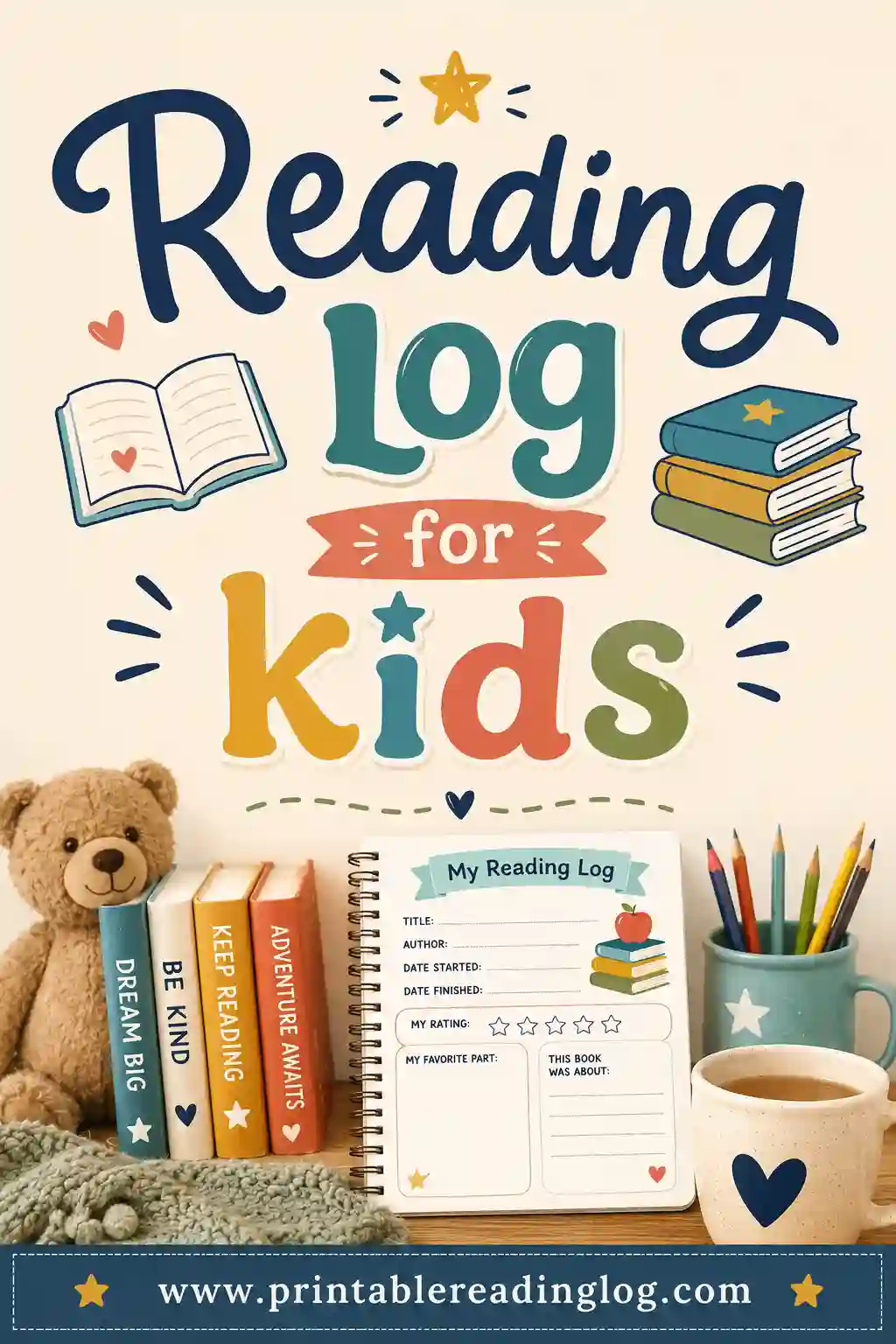
A reading log for kids is the classic example: simple, screen-free, and easy to hand to a child after story time.
Choose an app if you…
- Read a lot and love your stats
- Want reminders to keep a streak alive
- Enjoy following friends and reviews
- Need to search a huge library fast
- Don't mind an account and some data sharing
Use both if you…
- Want daily logging on paper but a searchable library online
- Track kids on paper and your own reading in an app
- Like the ritual of writing plus the convenience of stats
There's no rule against mixing. Plenty of readers jot the day's reading on a printable and add finished books to an app for the long haul.
How to Set Up Printable Tracking in Minutes
If the paper route sounds right, here's the whole setup. It's faster than downloading and configuring an app.
- Pick your layout. Choose a simple log, a minutes tracker, or a page with a notes column.
- Choose your columns. Title, author, date, pages or minutes, and a rating cover most needs.
- Match it to the reader. Bigger rows and a star rating for kids; a denser grid for adults.
- Print and store. Run a few pages and slip them into a binder, folder, or clip them to the fridge.
That's it. The free reading log maker handles the layout so you can start logging the same day.
A sample printable log
Here's a clean layout you can copy. Most people start with something like this.
| Date | Title | Minutes | Done |
|---|---|---|---|
| Apr 1 | Charlotte's Web | 20 | ✓ |
| Apr 2 | Charlotte's Web | 25 | ✓ |
| Apr 4 | The BFG | 15 | ✓ |
| Apr 5 | The BFG | 20 | ✓ |
Swap in your own books and you have a working tracker. Add a rating column or a notes line if you want a little more detail.
Cost Over Time: A Real Comparison
It's easy to think apps are "free," but the picture changes over a year.
| Printable Log | Free App | Paid App | |
|---|---|---|---|
| Upfront cost | $0 | $0 | $0 |
| Monthly cost | $0 | $0 | $2–$10 |
| Yearly cost | A little paper | $0 | $24–$120 |
| Hidden cost | None | Your data | Your data |
A printable's only ongoing cost is a bit of paper and ink. Free apps cost you data instead of money, and paid apps add up over a year. For families printing logs for several kids, paper stays the cheapest by a wide margin.
Frequently Asked Questions
Is a printable reading log better than an app?
It depends on your goal. Printables win on cost, privacy, simplicity, and being screen-free, which makes them ideal for kids and classrooms. Apps win on automatic stats, reminders, and social features. For everyday, low-fuss tracking, a printable is usually the better fit.
Are reading apps free?
Many have free tiers, but "free" often means the app collects data about your reading. Some lock useful features behind a paid subscription that can run $24 to $120 a year. A printable log has no account and no data trade at all.
Can kids use reading apps?
Most reading apps aren't built for young children and require an account and a phone. That's why teachers and parents usually prefer a paper reading log for kids. It's screen-free, simple, and safe to hand to a young reader.
Do printable logs give me reading stats?
Not automatically, but you can total your books, pages, or minutes by hand whenever you want. If detailed stats matter most to you, an app handles that better. Many readers use a printable daily and tally totals at the end of each month.
Can I use a printable and an app together?
Absolutely. A common setup is logging daily reading on paper and adding finished books to an app for a searchable long-term library. You get the screen-free ritual plus the convenience of digital stats.
What if I want to switch away from an app?
A printable is an easy off-ramp. Just print a log and start writing down what you read. There's nothing to migrate and no data to untangle. The reading log maker gives you a clean starting page in seconds.
Ready to Track on Paper?
If a free, private, screen-free system sounds right, you can be tracking today. Open the free reading log maker, pick a layout, and print as many pages as you need. There's no app to install, no account, and no cost. Choose the system that fits your life, and let the reading add up.