How to Motivate Kids to Read: Tips That Actually Work
To motivate kids to read, let them choose their own books, read alongside them, keep daily goals small and winnable, and make progress visible with a chart or log they can fill in. Reading should feel like a treat, not a task. One of the simplest motivators is a printable reading log a child fills in themselves and watches grow — that visible progress is what keeps them coming back.
Want a head start? Open the free reading log tool, pick a fun kid style, and print a sheet your child can decorate and own. There's no sign-up and no cost, so you can hang it up tonight.
Why Some Kids Resist Reading
Before you can motivate a kid to read, it helps to understand why they pull away. Most resistance comes down to a few fixable causes, not a lack of "loving books."
- The books don't fit. Too hard, too long, or just not interesting to them.
- It feels like work. When reading is only ever homework, it loses its joy.
- There's no choice. Being handed a book feels different from picking one.
- No visible progress. Without a way to see how far they've come, effort feels invisible.
- Screens win. Reading competes with games and videos for the same time.
The good news: every one of these has a fix. The tips below tackle them directly, and most cost nothing but a little attention.
Tip 1: Let Them Choose Their Own Books
Choice is the single strongest driver of reading motivation. A kid who picked the book is a kid who'll read it.
Take them to the library and let them roam. Say yes to the graphic novel, the joke book, the one about trucks they've read nine times. It doesn't have to be "good literature" to count. The goal right now is a child who wants to read, and want comes from ownership.
Resist the urge to steer too hard. A book they chose and finished beats a "better" book they abandoned. Once the habit takes hold, you can gently widen their range.
Tip 2: Make Progress Visible With a Log
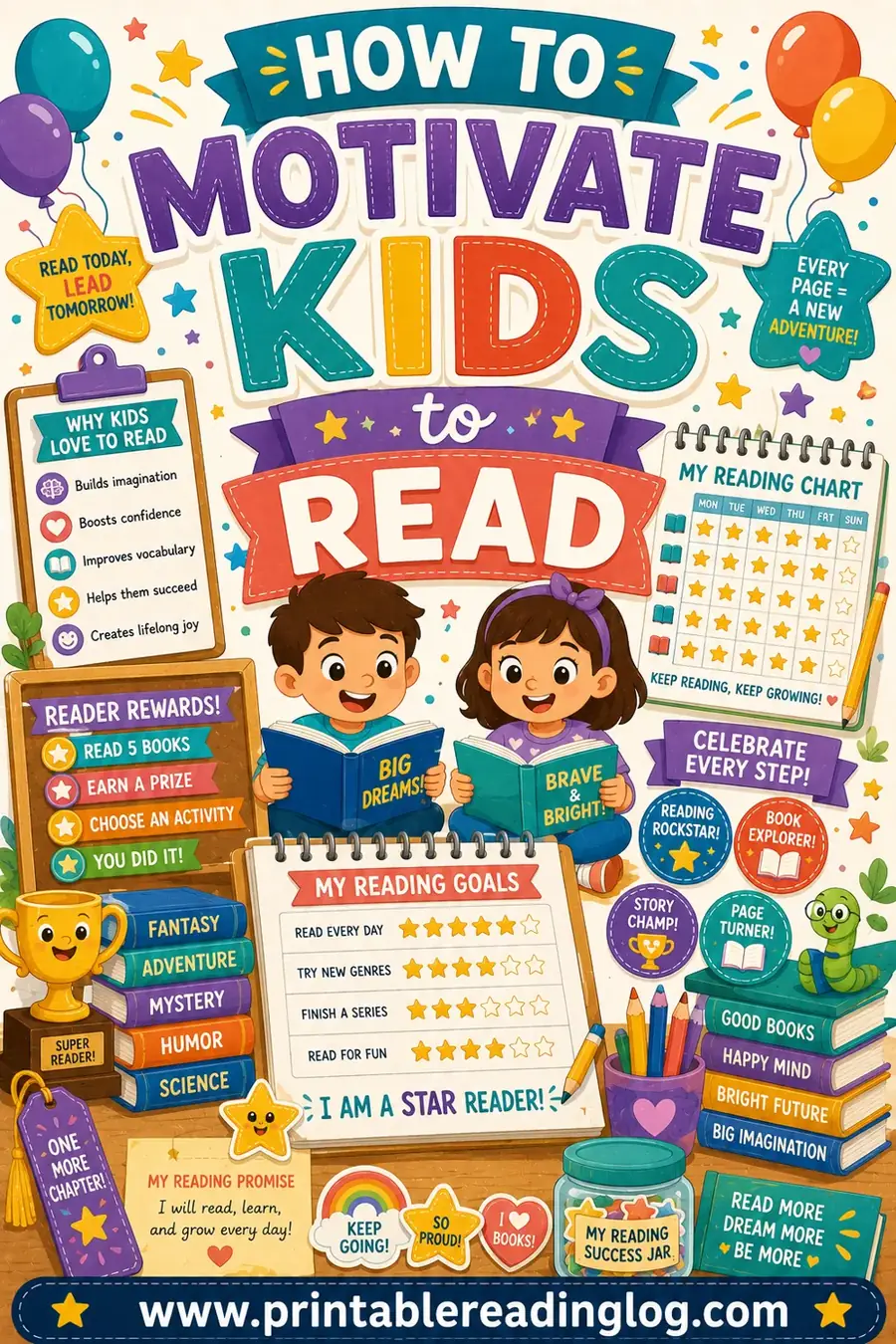
Kids are wired to love visible progress. A reading log turns invisible effort into something they can see, color, and feel proud of.
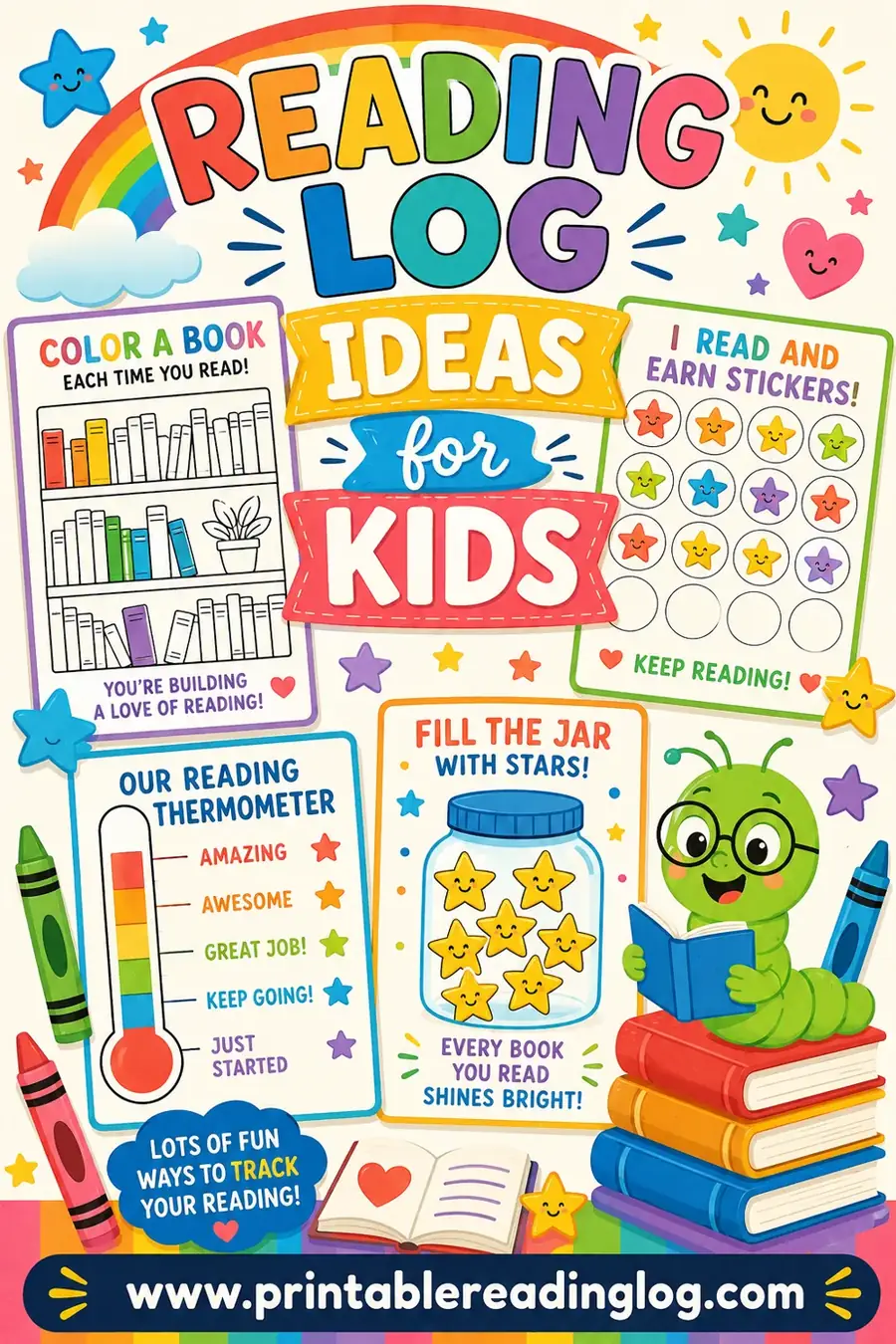
Every filled-in row is a small win. A coloring thermometer that climbs, a sticker chart that fills, a row of stars — these give an instant reward that brings a kid back the next night. The log itself becomes a motivator, separate from the reading.
To make it work:
- Let them fill it in. The kid holding the pen is the whole point.
- Hang it where they'll see it. The fridge or bedroom wall, not a backpack.
- Celebrate the streak out loud. "You read every night this week!" lands hard.
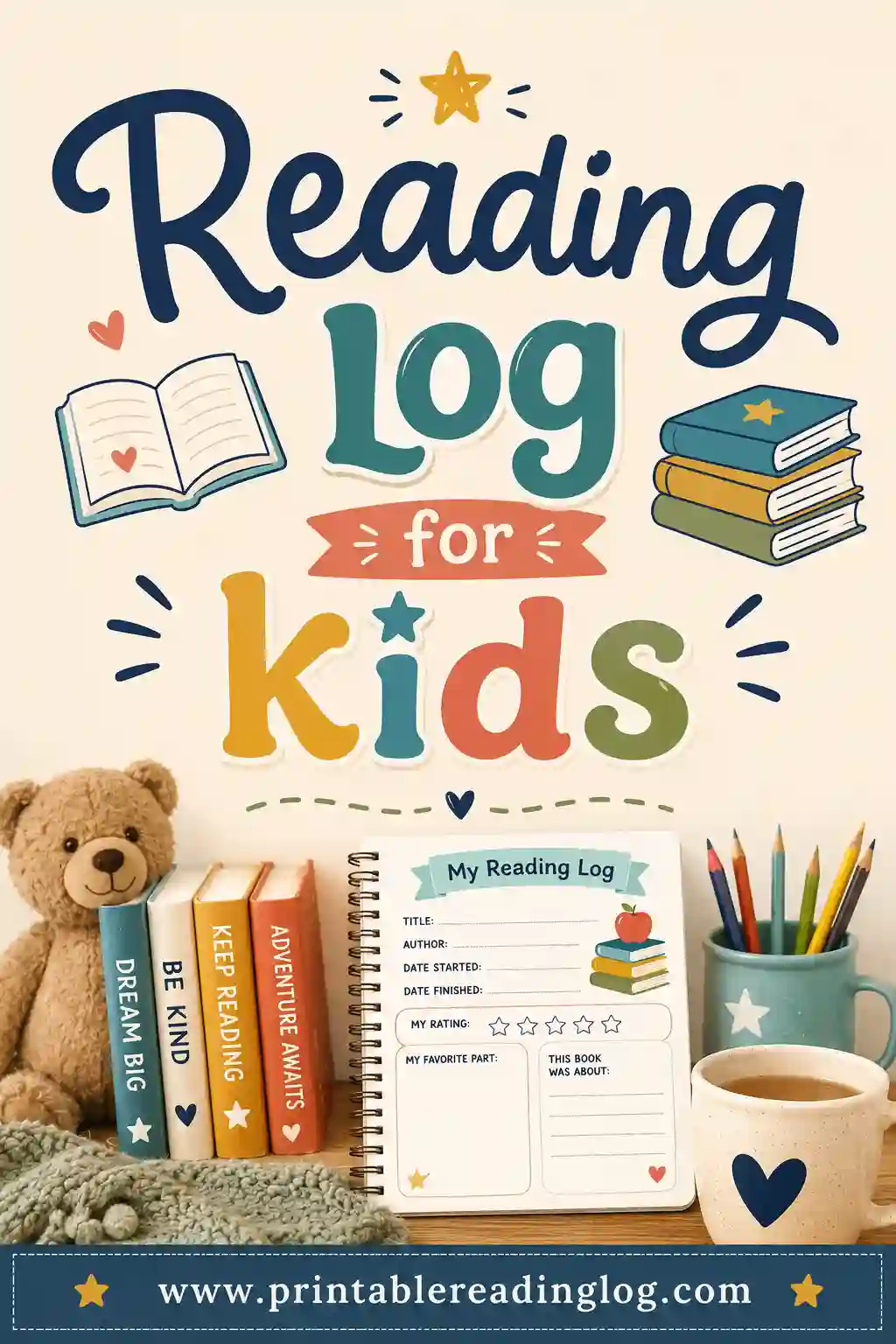
Print a fun kids reading log and let your child decorate it. A log they helped make is a log they'll want to fill. For more formats, see our reading log ideas for kids.
Tip 3: Read Together, Every Day
Reading with your child does more than help their skills — it tells them reading matters. When a grown-up makes time for it, kids absorb that it's valuable and worth doing.
Build a daily reading time you both protect. Right before bed is the classic for a reason: it's calm, it's routine, and it sends kids off happy. Take turns reading pages, do silly voices, stop to talk about what might happen next. Make it warm, not a drill.
Even with kids who can read on their own, keep reading aloud. A read-aloud lets you share books above their reading level, which keeps the stories exciting while their skills catch up.
Tip 4: Keep Goals Small and Winnable
Nothing kills motivation like a goal that's out of reach. A five-year-old facing a 30-minute target sees a wall and gives up. A 10-minute goal they hit every night builds a winning streak.
Start smaller than feels necessary. Ten or fifteen minutes a night is plenty for young readers. The point is consistency, not volume. A small daily win that keeps happening beats a big goal that keeps failing.
Here's a rough guide to daily reading goals by age:
| Age group | Daily goal | Why this works |
|---|---|---|
| Pre-readers (2–4) | 5–10 min read-aloud | Builds the bedtime habit early |
| Early readers (5–7) | 10 minutes | Short enough to always finish |
| Grade-schoolers (8–10) | 20 minutes | The common school standard |
| Tweens (11–13) | 20–30 minutes | Longer books, longer sessions |
Raise the goal only once the current one is easy. Stretching too soon turns a habit into a fight.
Tip 5: Use Rewards That Keep Reading the Treat
Rewards work, but the kind of reward matters. The best ones tie back to reading itself, so your child learns that books are the fun part, not the thing you survive to earn a prize.
| Reward type | Example | Why it's great |
|---|---|---|
| Reading-linked | Pick the next bedtime book | Keeps reading central |
| Experience | A trip to the library | Makes books an outing |
| Small & instant | A sticker per night | Immediate, no waiting |
| Time | Stay up 10 extra minutes to read | Frames reading as a privilege |
| Milestone | A new bookmark for a full log | Celebrates the streak |
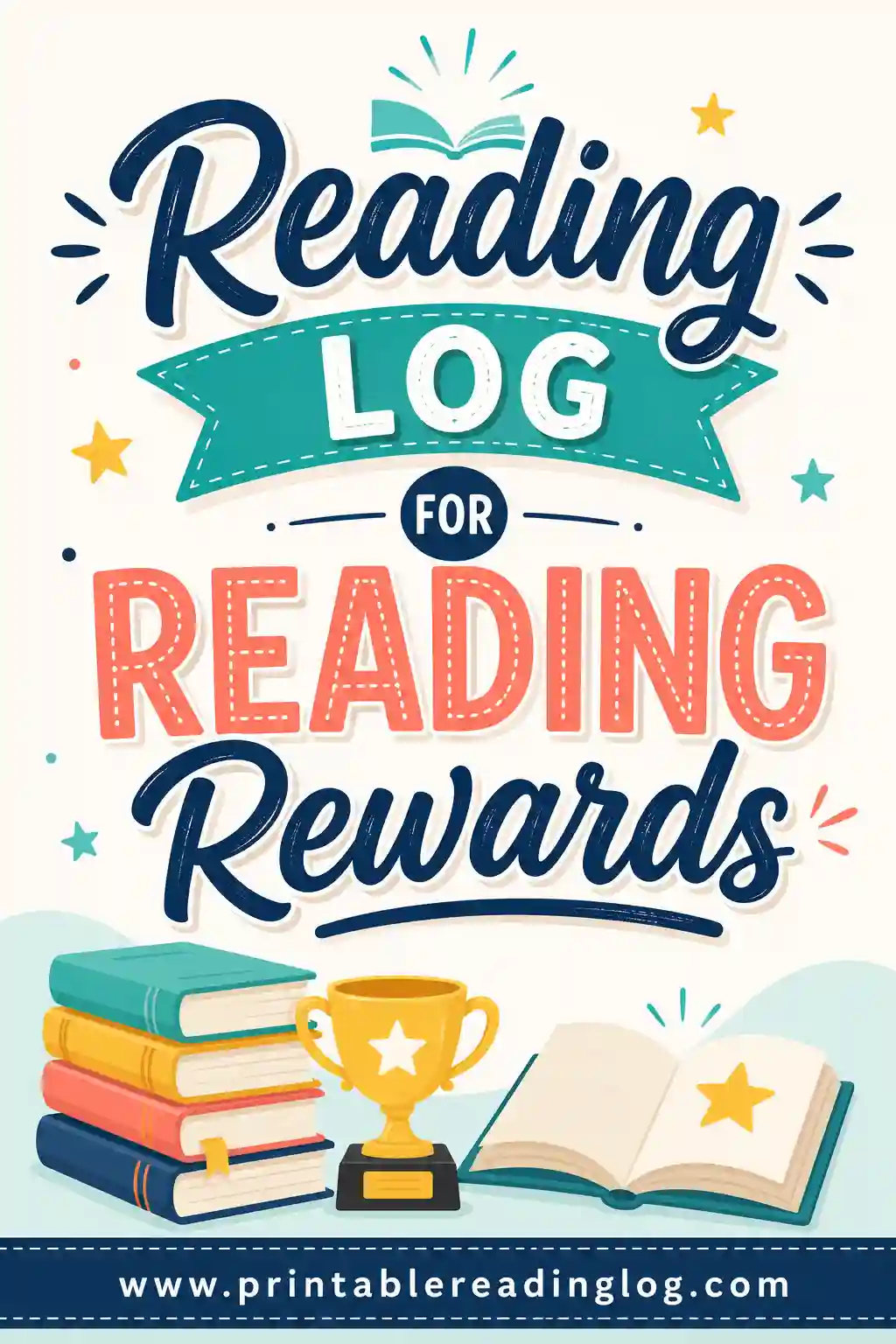
Skip the screen-time rewards. Trading reading for video games quietly tells a kid that reading is the chore and the screen is the prize. Keep the focus on books and the love grows on its own. Our reading log for reading rewards guide shows how to wire rewards into the log.
Tip 6: Make Books Easy to Reach
Kids read what's within arm's reach. The easier you make grabbing a book, the more reading just happens.
- Keep a basket of books in the living room, the car, even the bathroom.
- Build a cozy reading nook with a pillow, a blanket, and good light.
- Rotate the books so there's always something fresh on display.
- Let books be everywhere. A house full of books raises kids who read.
You're trying to make reading the path of least resistance. When a good book is always closer than the remote, kids reach for it more than you'd expect.
Tip 7: Be a Reader They Can See
Kids do what they see, not what they're told. If they watch you read for fun, they learn that reading is something grown-ups choose to do.
Let them catch you with a book. Talk about what you're reading at dinner. Have a family reading time where everyone, including you, reads their own thing. Your example carries more weight than any lecture about why reading is important.
Tip 8: Match the Book to the Reader, Not the Grade
A lot of reading resistance is really a mismatch problem. A book that's a touch too hard turns reading into decoding work, and a book that's too easy bores them — either way the joy drains out. The fix is to aim for "comfortable, with a little stretch."
A simple at-home test helps: have your child read a page aloud and hold up a finger for every word they stumble on. Around five stumbles on a page usually means the book is a bit too hard for solo reading — perfect for reading together, but frustrating alone. Zero or one stumble means they can fly through it on their own. Use the harder books for shared read-aloud time and let them own the easier ones for independent reading.
And remember that "easy" reading isn't wasted reading. Re-reading a beloved book, breezing through a comic, or revisiting an old favorite all build fluency and, more importantly, keep reading feeling good. Volume and enjoyment matter far more than difficulty at this stage.
Tip 9: Ride Out the Slumps Without Panic
Every reader, kid or adult, hits stretches where the habit slips. A busy season, a string of books that didn't click, a long screen-heavy week — slumps are normal, not a sign the whole effort failed. How you respond matters more than the slump itself.
- Don't make it a battle. Pressure during a slump just adds a bad feeling to reading. Ease off the required minutes for a bit.
- Switch formats. If chapter books stalled, try a graphic novel, an audiobook, or a magazine. A change of format often breaks the logjam.
- Lower the bar, temporarily. Drop back to five minutes a night or a single page. Restarting a tiny habit is far easier than restarting a big one.
- Let the log show the comeback. A fresh week on the reading log gives a clean slate. Filling in that first box after a gap feels surprisingly good and pulls them back in.
A reading log helps most here, because a missed week is just a missed week on the sheet — the next box is always waiting. Reading is a years-long habit, and a quiet patch now and then is part of every reader's story.
Frequently Asked Questions
How do I motivate my child to read?
Let them choose their own books, read together every day, keep daily goals small, reward reading with reading-linked treats, and track progress with a log they fill in themselves. The visible progress of a printable reading log is one of the simplest, most effective motivators.
What if my child hates reading?
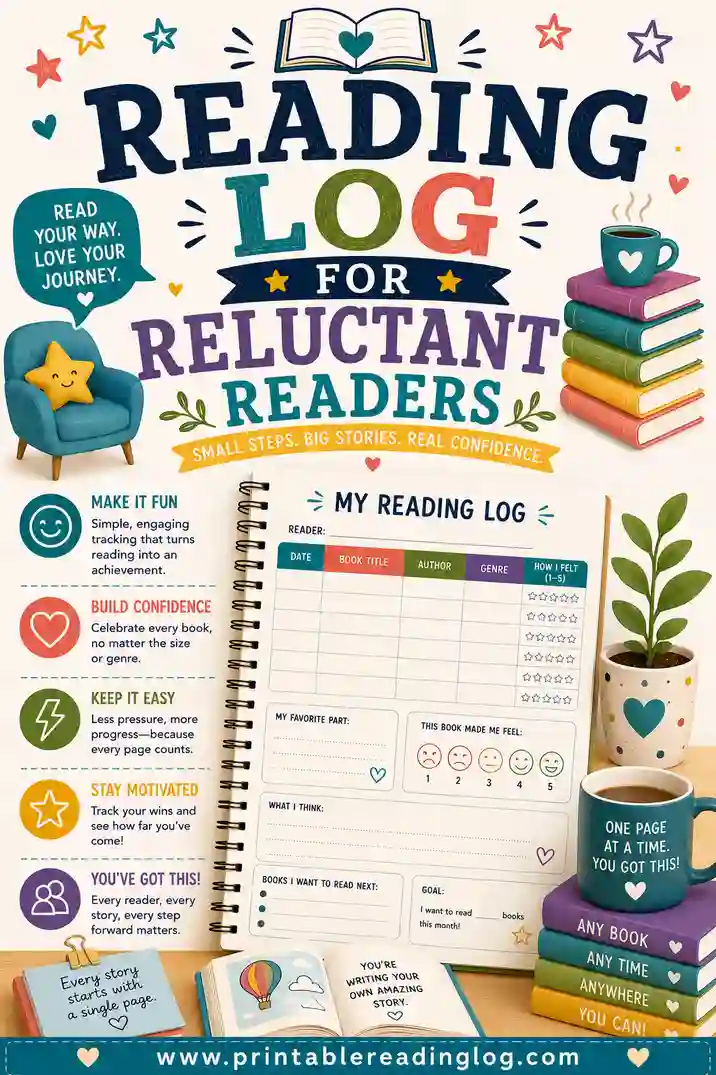
Start by lowering the bar: let them pick anything they want, including comics and joke books, and shrink the daily goal to five or ten minutes. Read with them so it feels shared, not assigned. A bingo or themed log can also re-spark interest. Our reading log for reluctant readers guide goes deeper.
Do reading rewards actually work?
Yes, when the rewards keep reading central. Stickers, picking the next bedtime book, a library trip, or a new bookmark for a full log all work well. Avoid trading reading for screen time, since that frames reading as the chore. See our reading log for reading rewards guide.
How many minutes a day should my child read?
A common goal is 10 minutes for early readers and 20 minutes for grade-schoolers, which matches most school logs. Consistency beats volume, so a small daily goal that always gets hit is better than a big one that gets skipped.
Does reading aloud to older kids still help?
Yes. Reading aloud to kids who can already read lets you share more exciting, higher-level stories than they could tackle alone, which keeps reading fun while their skills grow. It also keeps reading a warm, shared part of the day.
How does a reading log help with motivation?
A reading log makes effort visible. Every filled row, colored thermometer, or earned star gives an instant sense of progress that pulls a kid back the next night. Letting them decorate and fill it themselves turns the log into a source of pride. Print one free from the kids reading log maker.
How do I pick a book that's the right level?
Have your child read a page aloud and count the stumbles. Around five hard words on a page means it's a good shared read-aloud but a bit much alone; zero or one means they can read it solo. Aim for "comfortable with a little stretch," and don't worry — easy re-reads still build fluency and keep reading fun.
What do I do when my child loses interest in reading?
Treat the slump as normal and ease off the pressure. Switch formats — a graphic novel, an audiobook, a magazine — and drop the daily goal to five minutes or a single page to make restarting easy. A fresh week on the reading log gives a clean slate, and that first new box after a gap pulls kids right back in.
Ready to Get Your Kid Excited About Reading?
Let them choose their books, read together daily, keep the goals small, and make progress something they can see and be proud of. The easiest motivator to set up is a free printable reading log your child fills in and watches grow. It's free, there's no sign-up, and you can hang it up tonight. For more, see our reading log for kids and reading log ideas for kids guides.