How to Make Reading Fun for Kids (That Actually Works)
The fastest way to make reading fun for kids is to take the pressure off and turn it into play: let them pick the books, read out loud together, act out the silly parts, and track every book they finish so the progress feels like a win. Kids love seeing a row fill up, so a simple printable reading log where they color in or check off each book turns reading into a game they actually want to play.
Want to skip ahead? Open the free reading log maker, pick a fun layout, and print a sheet your child can decorate and fill in. No sign-up, no fee, and it works on any printer at home.
Why Reading Feels Like a Chore (and How to Flip It)
For a lot of kids, reading gets tangled up with school. It becomes the thing they "have to" do, like brushing teeth or finishing vegetables. The moment a book turns into homework, the fun drains out of it.
The fix isn't more rules. It's more choice and more play. When kids feel in control of what they read and how, they lean in. Your job is mostly to set the scene and then get out of the way.
Here's the mindset shift that helps most: stop measuring success by how "good" the book is, and start measuring it by how much your child enjoyed the time. A goofy comic counts. A book read three times in a row counts. The goal is a kid who likes to read, and that starts with reading they actually like.
Let Kids Pick Their Own Books
Choice is the single biggest lever you have. A book a child chose beats a "better" book you picked, every time.
Give them real freedom at the library or bookstore. If they want the one about farting dinosaurs, that's a win. Reluctant readers especially need to feel that reading is theirs, not yours.
A few things that count as reading, even if they don't look like a chapter book:
- Comics and graphic novels
- Joke books and riddles
- Magazines about their favorite hobby
- Recipe cards and game guides
- Audiobooks they follow along with
All of it builds the same skills. Once a kid believes reading can be fun, they'll wander toward longer books on their own.
Make It a Game with a Reading Log
Kids love progress they can see. A reading log turns invisible effort into something they can point at and feel proud of.
The trick is to keep it playful, not strict. Instead of a stern checklist, think stickers, colors, and little rewards. Every finished book gets a star, a doodle, or a square colored in. Watching the page fill up is weirdly satisfying, and that satisfaction keeps them coming back.
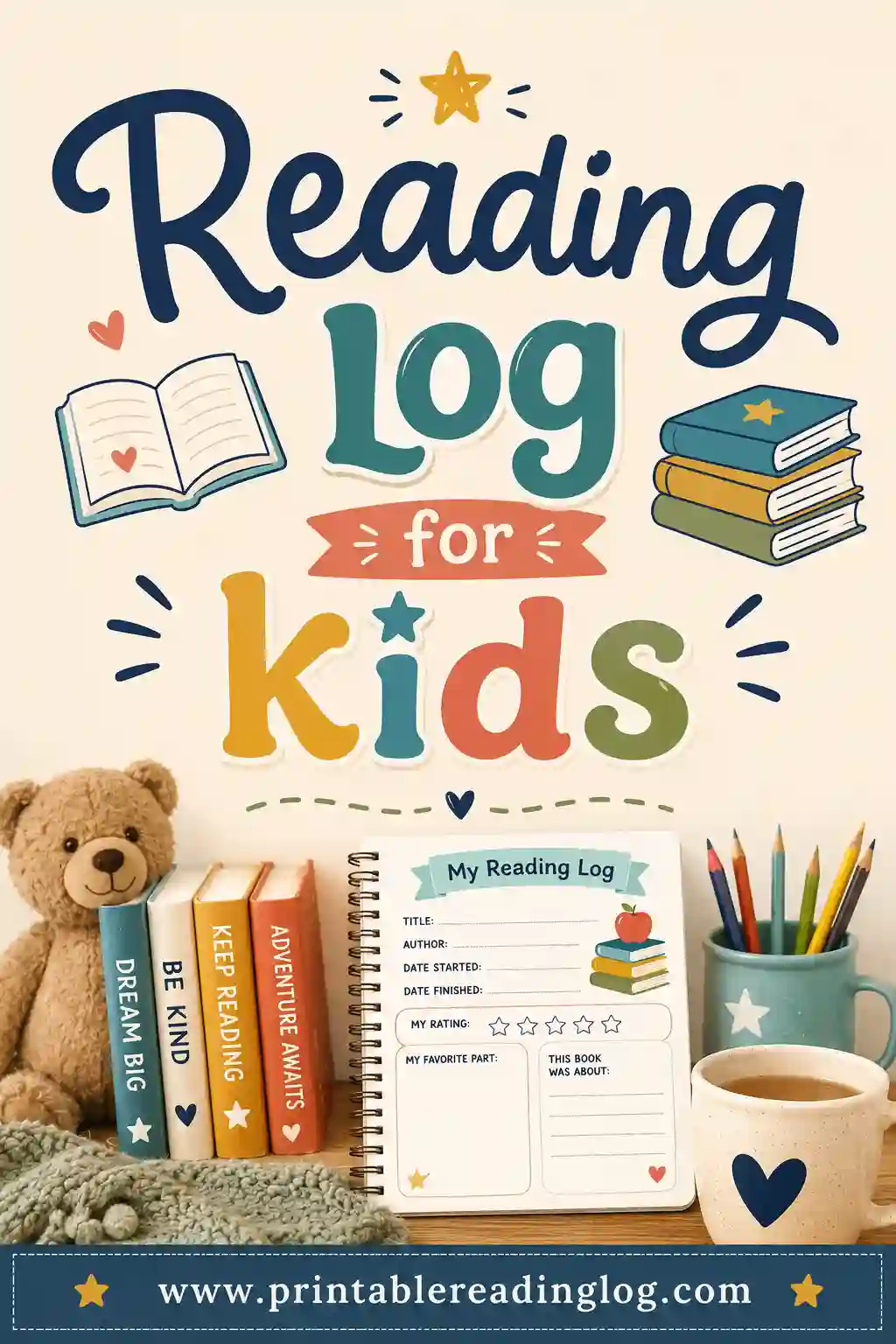
You can print a reading log with whatever style fits your kid. Some love a bingo-style sheet where they cross off challenges. Others like a simple kids' reading log with space to draw the cover. Match the sheet to the child and it stops feeling like homework.
A simple kid-friendly reading log
Here's an easy layout that works for early readers. Keep the columns few and the boxes big.
| Book title | I read it | My rating | Best part |
|---|---|---|---|
| Dragons Love Tacos | ⭐ | 😍😍😍 | The taco party |
| Pete the Cat | ⭐ | 😍😍 | His cool shoes |
| The Gruffalo | ⭐ | 😍😍😍 | The scary monster |
| Click, Clack, Moo | ⭐ | 😍 | The typing cows |
Let your child fill in the rating with faces or stars instead of numbers. Drawing the "best part" turns each row into a tiny memory, which makes them want to read the next one.
Read Out Loud and Be Silly
Reading out loud is the most fun thing you can do, and it works at every age. Do the voices. Be the booming giant and the squeaky mouse. Lean into the drama.
Stop on a cliffhanger and say "we'll find out tomorrow." That little tease builds anticipation, the same way a TV show ending makes you want the next episode.
Let your child read parts back to you too, but keep it light. If they get stuck on a word, just supply it and move on. The goal is flow and fun, not a spelling test. A kid who feels corrected on every line learns to dread the page.
Build a Cozy Reading Routine
Fun doesn't mean chaos. A gentle routine actually helps, because kids relax into things they can predict.
Pick a regular time that already feels calm, like right before bed or after dinner. Make the spot inviting: a beanbag, a blanket fort, a flashlight under the covers. Reading by flashlight feels like an adventure, not an assignment.
Keep sessions short for young kids. Ten focused, happy minutes beat thirty forced ones. End while they still want more, and they'll be glad to come back tomorrow.
Quick ways to make reading time special
- Flashlight reading. Lights off, one flashlight, one book. Instant magic.
- Snack and a story. A small treat turns reading into a cozy event.
- Reading tent. A blanket over two chairs becomes a secret book den.
- Pajama book club. Everyone in pajamas, everyone with a book, fifteen minutes of quiet.
Connect Books to the Real World
Books stick when they spill into real life. A little follow-up turns a story into an experience.
Read a book about dinosaurs, then visit a museum or dig for "fossils" in the backyard. Read a recipe book, then actually bake the cookies. Read about space, then look up at the stars and find the moon. These moments tell your child that what's on the page connects to their world.
You can also let books pick your weekend. "We read about the aquarium, want to go see real fish?" Suddenly the book is the start of an adventure, not the end of one.
Use Rewards the Right Way
Rewards can supercharge reading fun, as long as you keep them small and tied to effort, not perfection. The point is to celebrate the habit, not to bribe a kid into hating it.
Pair rewards with a log so the goal is clear and visible. Hit ten books, earn a movie night. Read every day for a week, pick the dinner. A reading rewards log makes this easy to track and gives kids a finish line to race toward.
| Goal | Fun reward | Why it works |
|---|---|---|
| 1 book a day for a week | Pick the family movie | Builds a daily habit |
| 5 books finished | A new bookmark or sticker pack | Celebrates real progress |
| 10 books finished | A trip to the bookstore | Reinvests in reading |
| Finish a chapter book | Stay up 15 minutes later | Honors a big effort |
Keep the rewards cheap and frequent at first. As reading becomes its own reward, you can space them out and eventually let them fade.
Make Reading a Family Thing
Kids copy what they see. If they watch you read for fun, they learn that reading is something people actually enjoy, not just a school task.
Have everyone read at the same time, even if it's just ten minutes. Talk about your books at dinner like you'd talk about a show. Let your child catch you laughing or gasping at a page. That modeling does more than any lecture.
For families with a few kids, a family reading log lets everyone track their books on one fun sheet. A little friendly competition over who can fill their row first keeps the momentum going.
What to Do with a Reluctant Reader
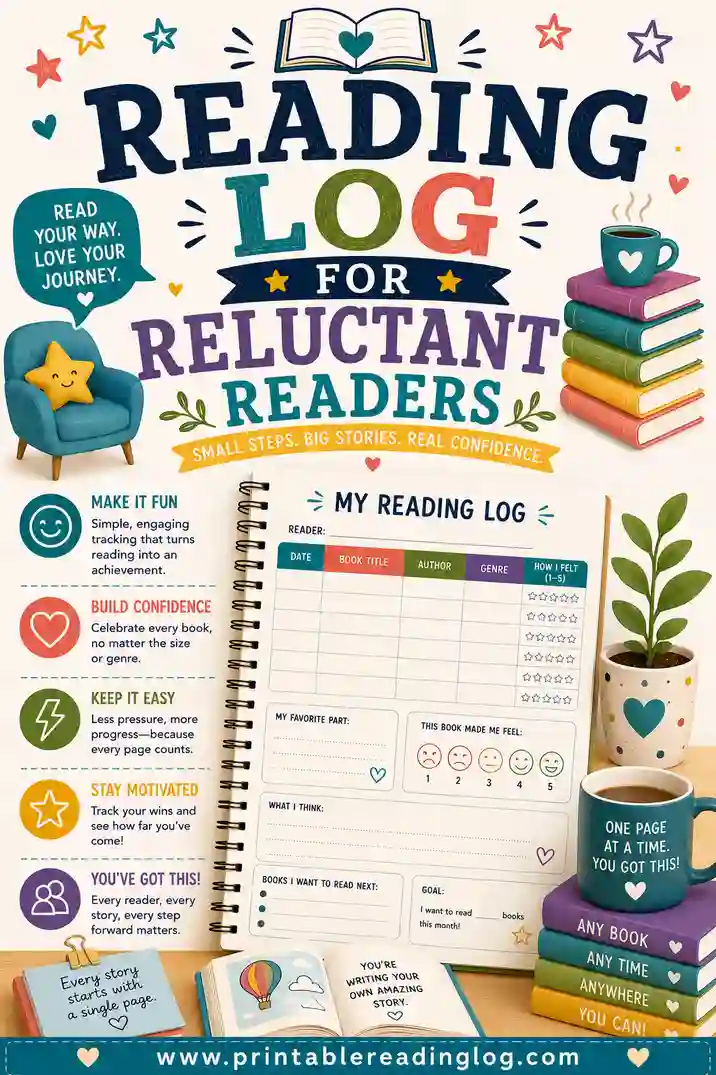
Some kids resist reading no matter what, and that's okay. Pushing harder usually backfires. Pull back and make it lower-stakes instead.
Try these gentle moves:
- Shrink the goal. One page counts. One joke from a joke book counts. Tiny wins rebuild confidence.
- Meet them where they are. Let an older kid read picture books or comics without judgment.
- Read to them. Even big kids love being read to. It keeps the love of stories alive while skills catch up.
- Try audiobooks. Following along with audio builds vocabulary and takes the strain off decoding.
A low-pressure reluctant reader log with tiny, easy goals can rebuild a kid's confidence one small win at a time. Celebrate every box checked like it's a big deal, because to them, it is.
Keep Summer Reading Fun, Not Forced
Summer is when reading often falls off, which leads to the dreaded "summer slide." But summer is also the best chance to rebuild reading as pure fun, with zero school pressure.
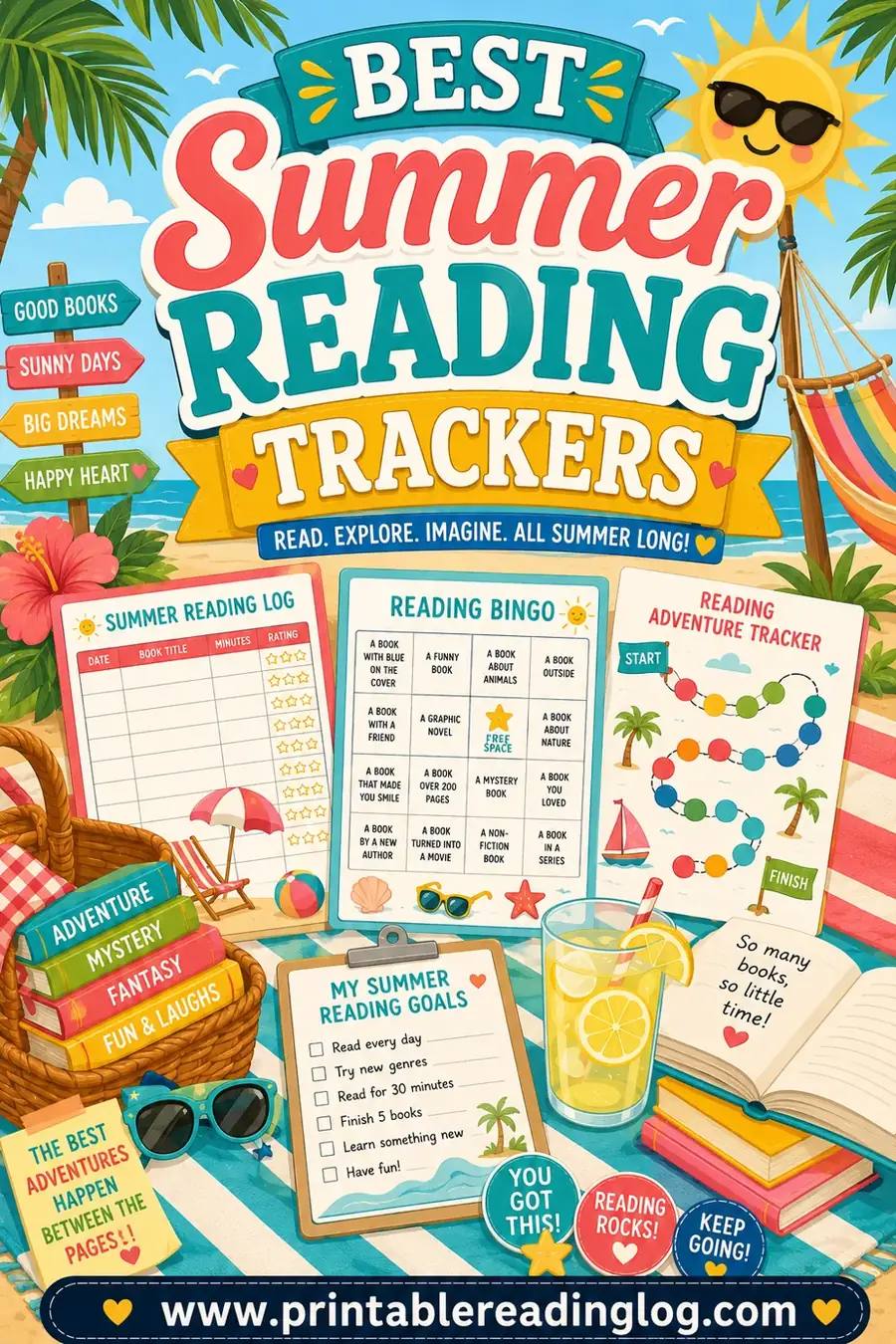
Set a playful challenge instead of a quota. Read in a tent, read at the pool, read on a road trip. A summer reading log with beach-themed squares or a book-a-week challenge keeps kids reading without it feeling like make-up homework. Tie it to a small end-of-summer prize and you've turned a slump into a streak.
Frequently Asked Questions
How do I make reading fun for a kid who hates it?
Start tiny and remove all pressure. Let them pick anything, even comics or joke books, and read to them often. Use a low-stakes reading log with easy goals and small rewards so every bit of effort feels like a win. The goal is to rebuild positive feelings about books, not to hit a page count.
At what age should I start making reading fun?
From birth, honestly. Reading aloud to babies and toddlers builds a love of stories long before they can read words. As kids grow, hand more of the choosing and tracking over to them so reading always feels like theirs.
Do reading logs really help kids read more?
Yes, when they're playful. Kids respond to visible progress, so a colorful log they fill in with stars or doodles turns reading into a game. The key is keeping it fun and low-pressure rather than a strict chore chart.
What kinds of books make reading fun for kids?
Whatever your child loves. Comics, graphic novels, joke books, and books about their hobbies all count and build the same skills. A book a child chose beats a "better" book you picked, so follow their interests.
How long should kids read each day to keep it fun?
For young kids, ten happy minutes beats thirty forced ones. End the session while they still want more. As they get older and more hooked, reading time naturally stretches on its own.
Should I reward kids for reading?
Small, frequent rewards tied to effort work well, especially with reluctant readers. Pair them with a reading log so goals are clear. As reading becomes its own reward, you can let the prizes fade out.
Ready to Make Reading Fun?
Pick the ideas that fit your kid, then open the free reading log maker and print a sheet they can decorate and fill in. Watching their books add up turns reading from a chore into a game they look forward to. It's free, there's no sign-up, and you can print a fresh one anytime the fun needs a refresh. Happy reading.