How to Encourage Independent Reading (That Sticks)
The best way to encourage independent reading is to give kids choice over what they read, easy access to books they love, a regular reading time, and gentle ways to track and celebrate their progress. Forced reading and constant testing backfire. What works is making reading feel fun, low-pressure, and rewarding, so kids pick up a book because they want to, not because they have to.
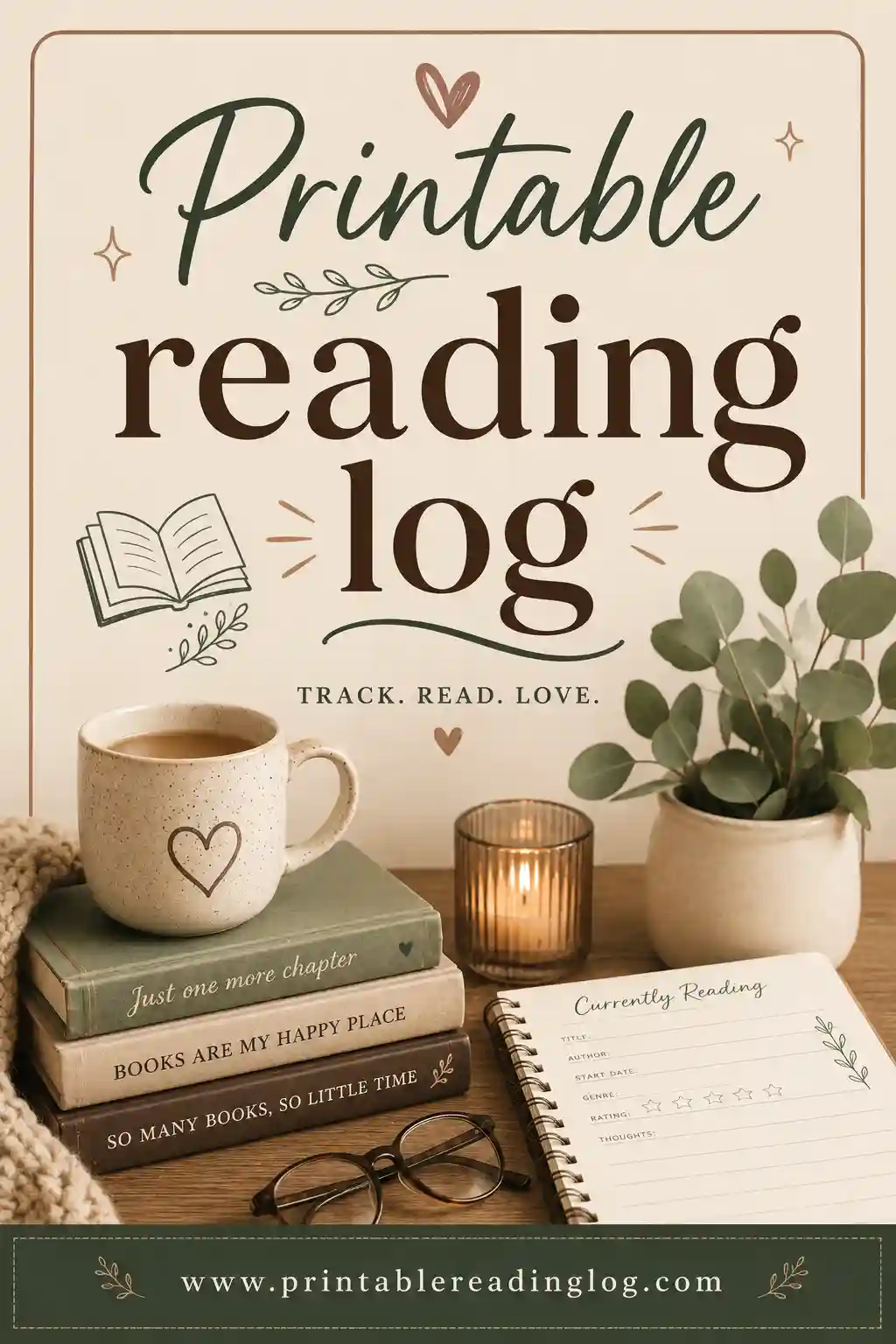
A simple tool that helps a lot: a printable reading log. Grab a free one, let your reader fill in a row after each session, and watch a streak build that motivates them to keep going. It's the quiet engine behind a lasting reading habit.
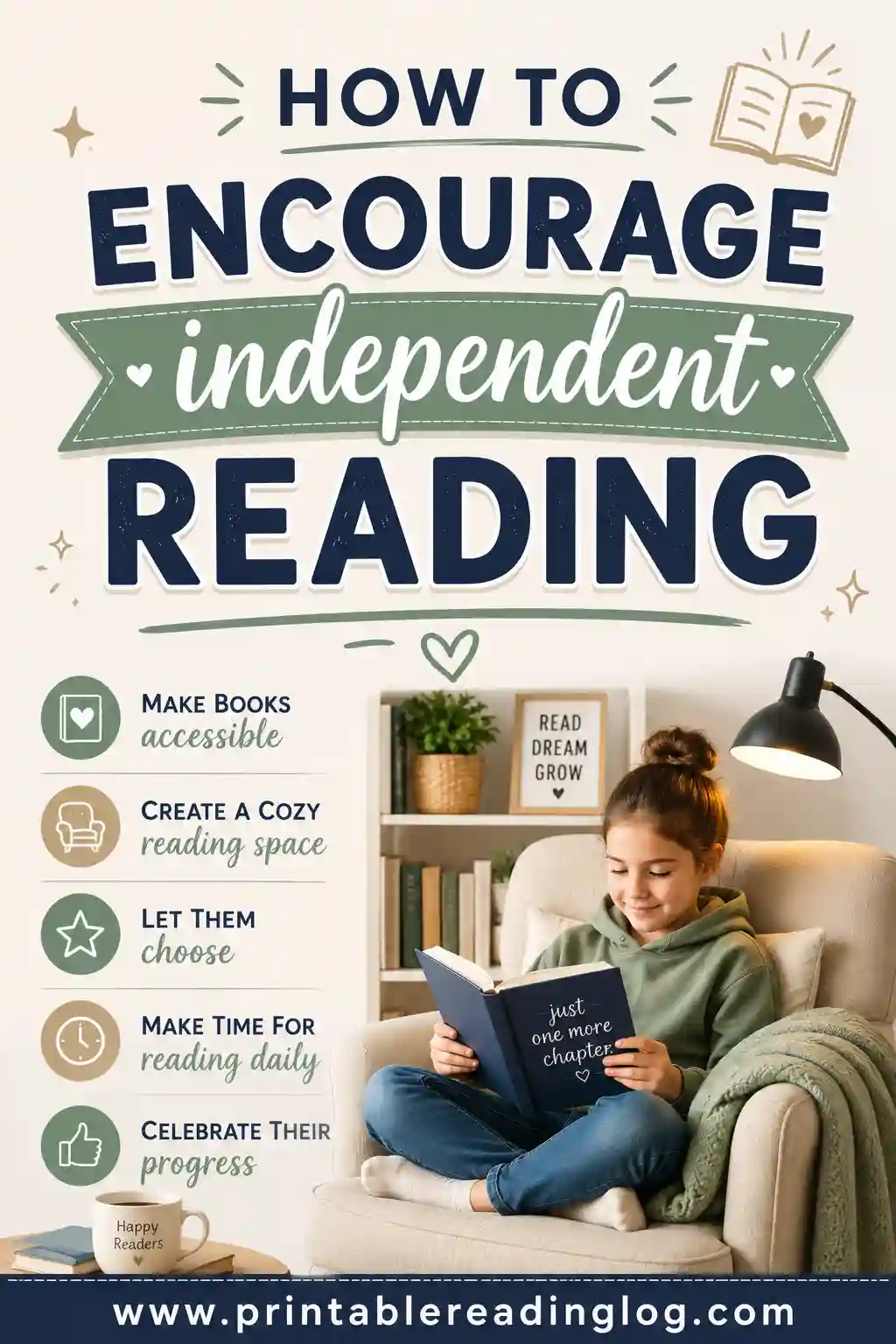
What "Independent Reading" Really Means
Independent reading is when a child reads on their own, by choice, without being told exactly what to read or quizzed on every page. It's the goal behind all those reading minutes: a kid who reaches for a book during free time because they actually want to.
It's different from assigned reading or being read to. Both of those matter, but independent reading is where lifelong readers are made. The aim isn't just to hit a minutes target. It's to build a genuine love of reading that outlasts any school requirement.
The tips below all push toward that same goal: less pressure, more ownership, and small wins that add up.
Give Kids Real Choice
Nothing kills a reading habit faster than being forced to read something boring. The single most powerful thing you can do is let kids choose their own books.
- Let them pick, even "easy" ones. A graphic novel, a joke book, a magazine, it all counts. Reading is reading.
- Follow their interests. Dinosaurs, sports, space, dragons, find books about what they already love.
- Don't gatekeep genres. Comics and series fiction build fluency and confidence just fine.
- Let them quit a book. Abandoning a book they hate is not failure. It frees them to find one they love.
When kids own the choice, they own the habit. Your job is to widen the menu, not pick the meal.
Make Books Easy to Reach
Kids read more when books are simply around. Access removes friction.
- Keep books everywhere. A basket in the living room, a shelf by the bed, a few in the car.
- Visit the library often. A weekly trip with a library card of their own makes reading feel like a treat.
- Build a tiny home library. Even a small shelf of "their" books gives kids ownership.
- Display covers, not spines. Front-facing books are far more tempting to pick up.
The easier it is to grab a book in an idle moment, the more often it happens. Make the path to reading shorter than the path to a screen.
Set a Regular Reading Time
Habits grow from routine. A consistent reading time turns reading from an event into an expectation.
- Pick a daily slot. Before bed is classic, but after school or after dinner works too.
- Start small. Ten or fifteen minutes is enough for younger kids. You can grow it later.
- Protect it. Treat reading time like any other part of the routine, not an optional extra.
- Read alongside them. Even reading your own book nearby shows that reading matters.
A regular slot takes the daily decision out of it. Reading just becomes "what we do" at that time, the same way brushing teeth does.
Track Progress Without Pressure
Here's where a reading log earns its keep, as long as you use it the right way. The goal is to motivate, not to monitor.
A log works because it makes invisible progress visible. A kid can't see the reading they did last week, but they can see ten filled-in rows. That's powerful.
| Date | Book | Minutes | How I felt |
|---|---|---|---|
| Sep 3 | Dog Man | 15 | 😄 |
| Sep 4 | Dog Man | 20 | 😄 |
| Sep 5 | The Bad Guys | 15 | 🙂 |
| Sep 6 | The Bad Guys | 25 | 😄 |
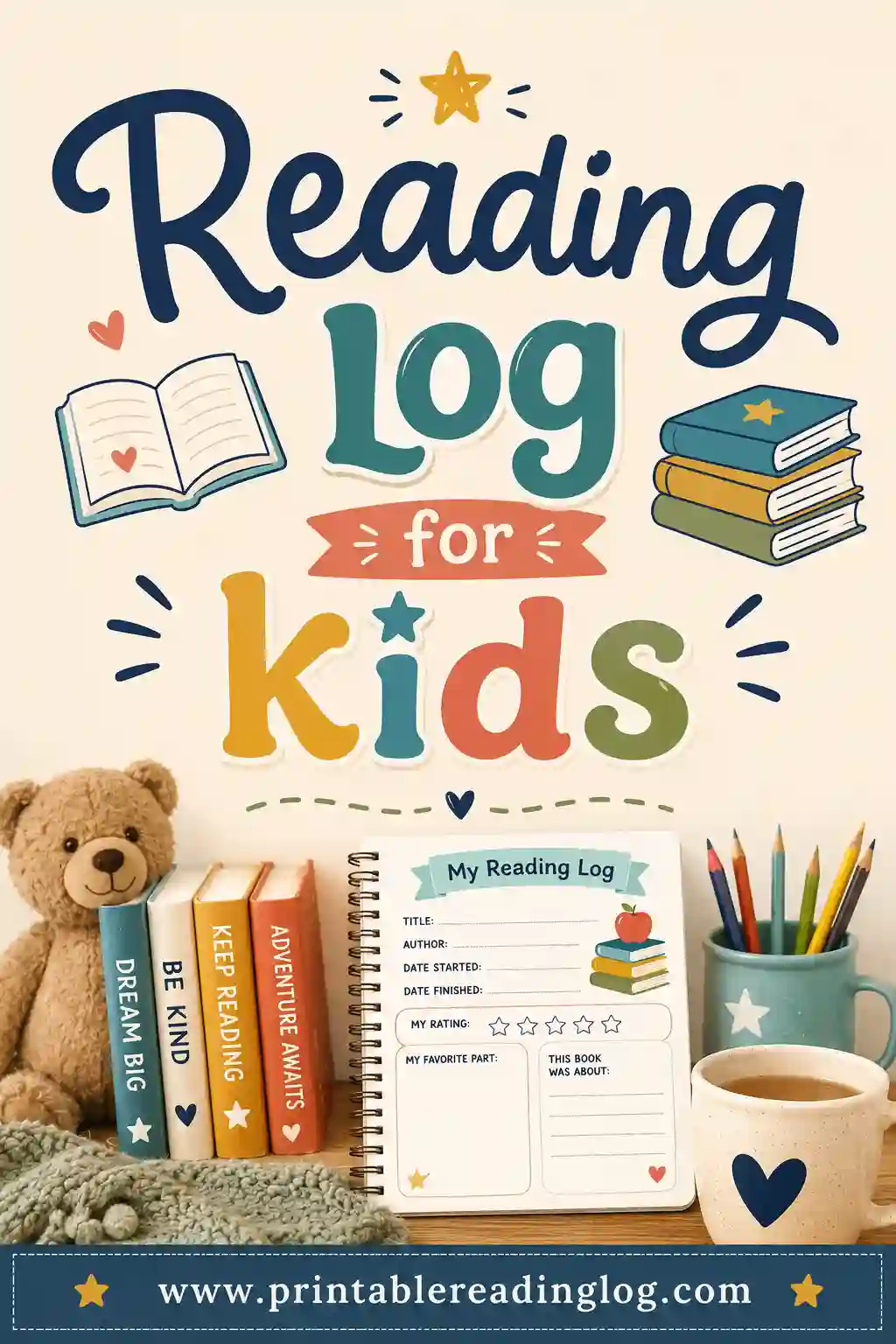
Keep the log positive. Celebrate the streak, not the gaps. Avoid turning it into a tool for nagging, or it becomes one more chore. A friendly reading log for kids does this well, and you can print one free in under a minute.
The right way vs the wrong way to use a log
The same tool can help or hurt depending on how you use it.
| Do this | Not this |
|---|---|
| Celebrate filled rows | Punish empty ones |
| Let kids log it themselves | Fill it in for them and check |
| Count any reading | Only count "real" books |
| Use it to spot wins | Use it to nag |
A log should feel like a scrapbook of wins, never a report card.
Use Rewards Wisely
Rewards are powerful but easy to overdo. The trick is rewarding the habit, not bribing the behavior.
- Reward consistency, not just amount. "You read every day this week!" beats "You read 200 pages."
- Keep rewards reading-friendly. A new book, a trip to the library, getting to pick the bedtime story.
- Tie rewards to the log. Hit ten rows and earn a small prize. It gives the log a fun payoff.
- Fade rewards over time. As reading becomes its own reward, lighten the external ones.
Done right, rewards jump-start a habit until the reading itself takes over. A reading log for reading rewards is built for this, pairing tracking with little milestones.
Help Reluctant Readers Specifically
Some kids resist reading, and that's okay. They need a gentler, more creative approach.
- Shrink the goal. "Read for five minutes" feels doable when "read a chapter" feels huge.
- Try audiobooks alongside the text. Hearing and seeing words together builds fluency and confidence.
- Lean into format. Graphic novels, joke books, and short chapters lower the barrier.
- Read the first chapter aloud. Getting over the slow start often hooks a reluctant reader.
- Never shame slow progress. Pressure and embarrassment make kids avoid reading even more.
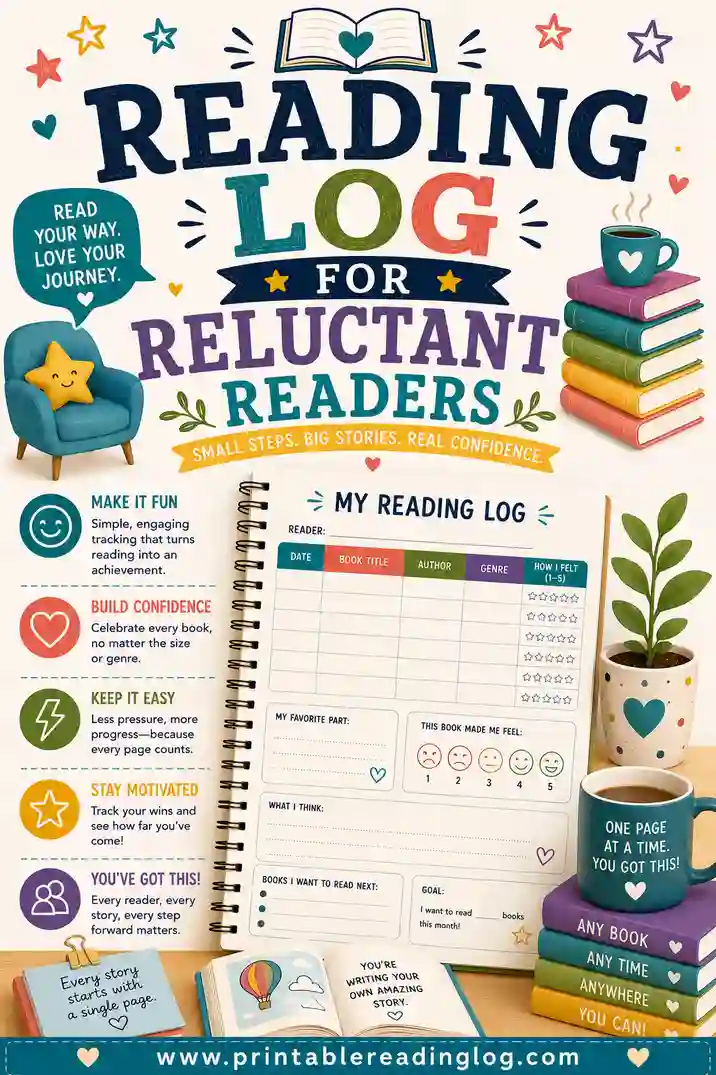
For these readers, momentum matters most. A reading log for reluctant readers keeps goals tiny and wins frequent, which is exactly what they need to build confidence.
Build a Reading-Friendly Home
You can do everything right and still lose a reader to a house that quietly competes for their attention. The environment around a child shapes how often a book wins out over a screen. A few small changes tilt the odds.
- Make screens a little less convenient. You don't have to ban them. Just keep the tablet in a drawer instead of on the couch, so reaching for a book is the easier choice in a bored moment.
- Create a reading nook. A beanbag in a corner, a clip-on light, a small basket of books. A spot that's clearly "for reading" invites kids to use it.
- Have a quiet hour. Pick a slot when the whole house reads, including the adults. Shared quiet makes reading feel normal, not like a punishment.
- Keep the lights right. A cozy reading lamp by the bed makes bedtime reading feel like a treat rather than a task.
None of this requires a remodel or a budget. It's about removing friction from reading and adding a little friction to the alternatives. When a book is the easiest, comfiest thing within reach, kids reach for it more.
Match Books to Reading Level Without the Pressure
One quiet reason kids stall is a book that's too hard, which feels like failure, or too easy, which feels boring. You can help them find the sweet spot without turning it into a test.
A simple trick is the "five finger rule." Have your child read one page and hold up a finger for every word they don't know. Zero or one means the book may be a little easy (still fine for fun). Two or three is a great fit. Four or five means it might be a struggle right now, so save it for later or read it together.
| Words unknown on a page | What it usually means | What to do |
|---|---|---|
| 0–1 | Easy and comfortable | Perfect for confidence and fun |
| 2–3 | Just-right challenge | The ideal independent reading zone |
| 4–5 | Too hard for solo reading | Read it aloud together instead |
Use this as a gentle guide, never a gate. If a child adores a book that's "too hard," let them stretch. The goal is a reader who loves books, not one who reads exactly on level.
Be a Reading Role Model
Kids do what they see. If reading is something the adults around them clearly enjoy, it stops feeling like a kid-only chore.
- Let them catch you reading. A book in your hands speaks louder than "go read."
- Talk about books. Mention what you're reading, what's exciting, what surprised you.
- Share recommendations both ways. Ask them about their books like you'd ask a friend.
- Make reading social. Family reading nights, a parent-kid book club, or trading favorite series.
When reading is woven into family life, kids absorb it naturally. The habit spreads from the home, not from a worksheet.
Frequently Asked Questions
At what age should kids start reading independently?
It varies, but many kids begin reading short books on their own around ages six to seven, and grow into longer independent reading through the early grades. There's no rush. Keep reading aloud to them too, and let independent reading develop at its own pace.
How long should kids read independently each day?
Start with ten to fifteen minutes for younger kids and build from there. Older kids and teens can read for thirty minutes or more. Consistency matters more than length, so a short daily habit beats a long, occasional one.
How do I get my child to read without forcing them?
Give them real choice over books, keep reading easy to reach, set a relaxed daily reading time, and celebrate progress instead of pressuring. Let them read "easy" books and quit ones they hate. A printable reading log helps by making their wins visible and motivating.
Do reading logs actually help?
Yes, when used positively. A log makes invisible progress visible, builds a satisfying streak, and gives kids small wins to celebrate. The key is using it to motivate, not to nag, and counting all reading, including comics and magazines.
What if my child only wants to read comics or "easy" books?
That's completely fine, and it still builds reading skills. Graphic novels and easy books develop fluency, vocabulary, and a love of reading. Many kids move on to longer books once they feel confident. Follow their interests rather than gatekeeping what counts.
How do I encourage a reluctant reader?
Shrink the goal, lower the barrier with graphic novels and audiobooks, read the first chapter aloud to hook them, and never shame slow progress. A reading log for reluctant readers keeps goals tiny and celebrates frequent small wins, which builds confidence fast.
How do I know if a book is the right level for my child?
Try the "five finger rule": have your child read one page and count the words they don't know. Two or three unknown words is the just-right zone for independent reading. Zero or one means it's easy and good for confidence, while four or five suggests it's a better read-aloud for now. Use it as a guide, not a strict rule.
Should I make my child read every day?
Aim for daily reading, but keep it gentle and short rather than forced. A relaxed ten to fifteen minutes every day builds a stronger habit than a long, reluctant session a few times a week. If a day gets missed, just pick it back up the next day. Pressure and guilt are what turn kids off reading, so protect the routine without policing it.
Ready to Build the Habit?
Encouraging independent reading comes down to choice, access, routine, and celebrating progress, never pressure. A simple printable reading log ties it all together by turning quiet reading into a visible, rewarding streak. Print a free reading log, let your reader fill in a row after each session, and watch the habit grow. It's free, takes under a minute, and might just spark a lifelong love of reading. Happy reading.