Do Reading Logs Actually Work? An Honest Look
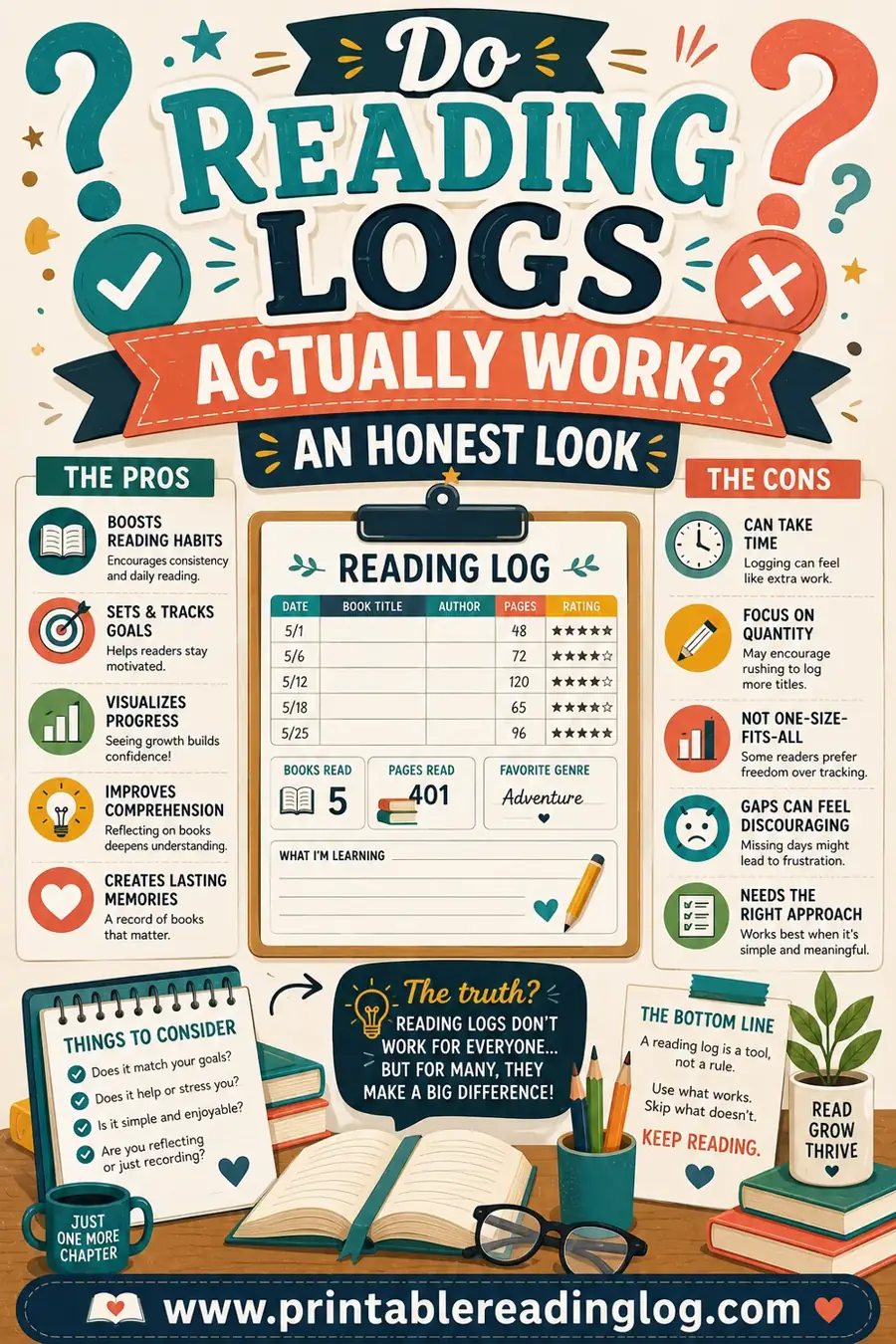
Yes, reading logs actually work, but only when they're used the right way. A simple log builds a reading habit, boosts motivation, and helps readers finish more books by making progress visible. They backfire when they're too complicated, feel like punishment, or turn reading into a race for numbers. The trick is keeping the log short, friendly, and easy to fill in, which is exactly what a free printable reading log is built to do.
Curious to try one before you decide? Open the free reading log maker, print a clean sheet, and test it for a week. No sign-up, no app, no cost.
The Short Answer
Reading logs work because they make an invisible habit visible. Reading happens quietly, in your head, with nothing to show for it afterward. A log turns each session into a small, recorded win, and those wins add up into momentum.
There's a well-known idea behind this: what gets measured gets managed. When you track something, you naturally pay more attention to it. A reading log applies that to books. You write down what you read, you see your streak, and you don't want to break it.
But "works" depends on how you use it. A log that feels like a chore gets abandoned by week two. A log that feels easy and a little bit fun keeps going for months. The format matters as much as the idea.
When Reading Logs Work Well
In the right setting, logs are genuinely effective. Here's when they shine.
Building a new habit
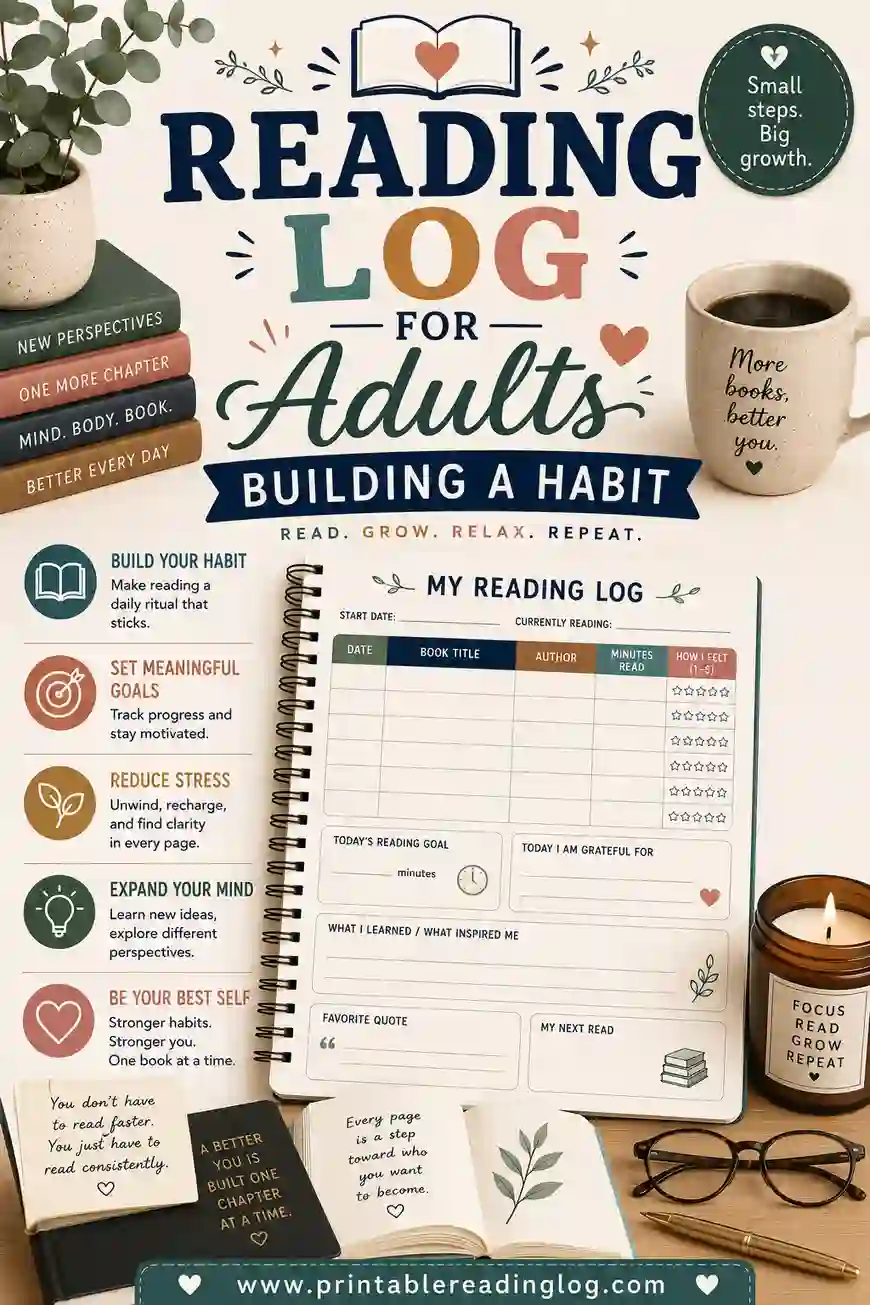
If you're trying to read more, a log is one of the best tools out there. The daily check-off gives you a tiny reward, and the visible streak makes you want to keep it alive. This is why a reading log for adults building a habit leans on simple boxes you can fill in fast.
Motivating reluctant readers
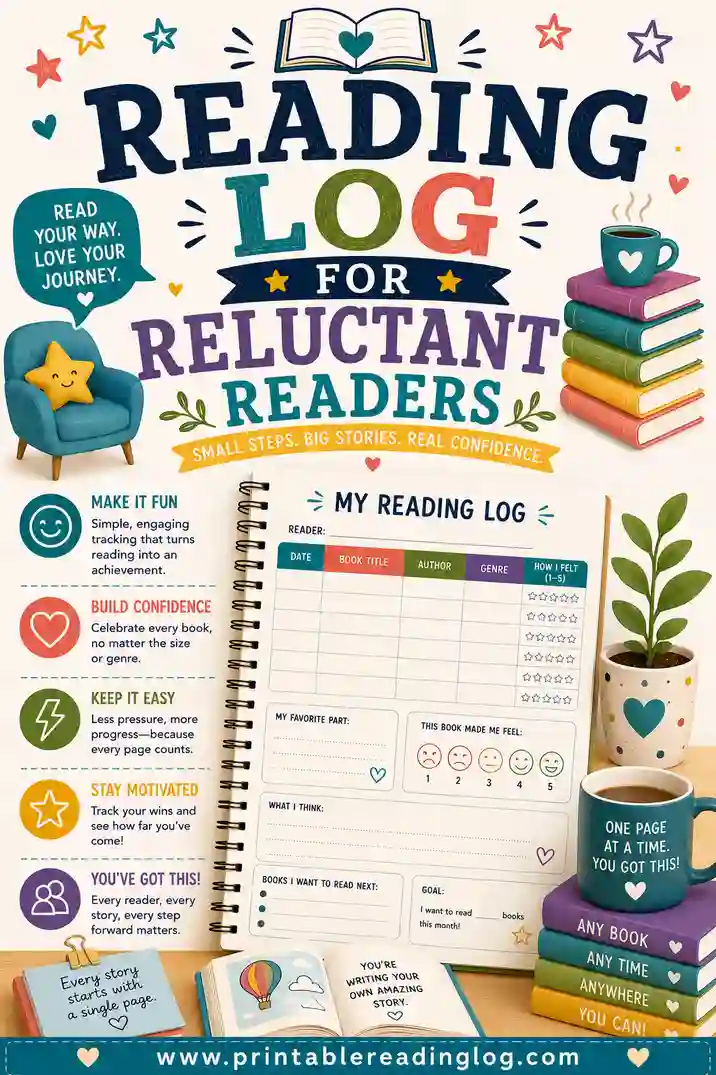
For a kid who'd rather do anything but read, a log full of stickers and short, doable rows can flip the script. The goal stops being "read this whole book" and becomes "fill in one more square." That smaller ask is far less intimidating. Our reading log for reluctant readers is built around exactly that idea.
Hitting a measurable goal
If you've set a target, read 20 minutes a day, finish two books a month, a log is how you check progress. Without one, "I think I'm on track" is just a guess. With one, you know.
Classroom and homeschool accountability
Teachers and parents use logs to confirm reading actually happened. A signed weekly sheet is simple proof, and it keeps kids honest about their nightly reading.
When Reading Logs Backfire
Now the honest part. Logs don't always work, and it's worth knowing why so you can avoid the traps.
| The problem | What goes wrong | The fix |
|---|---|---|
| Too complicated | A 10-column log feels like homework | Trim to 3 or 4 columns |
| Feels like punishment | Forced logging kills the joy of reading | Make it optional and celebratory |
| Numbers obsession | Kids speed-read just to log more pages | Track minutes or sessions, not pages |
| Forgotten | The log sits unused in a drawer | Keep it next to the book |
| One-size-fits-all | A teen log bores a toddler | Match the format to the reader |
The common thread: a log fails when it adds friction or pressure. It works when it removes them. Every fix above is about making the log lighter, not heavier.
What the Habit Research Suggests
You don't need a study to feel why this works, but the general findings line up with everyday experience. Habit formation tends to rely on a few things logs happen to provide:
- A cue. Your log sitting by the couch reminds you to read.
- A simple action. Reading a few pages is easy to start.
- A reward. Checking the box or adding a sticker feels good.
- Visible progress. A growing list keeps you coming back.
That loop, cue, action, reward, repeat, is the engine behind most lasting habits. A reading log quietly builds all four into one little sheet. It's not magic, it's just good habit design.
How to Make a Reading Log That Actually Works
Here's the practical part. Follow these steps and your log will land in the "works" column.
- Keep it short. Three or four columns max: date, title, and pages or minutes. Maybe a rating. That's it.
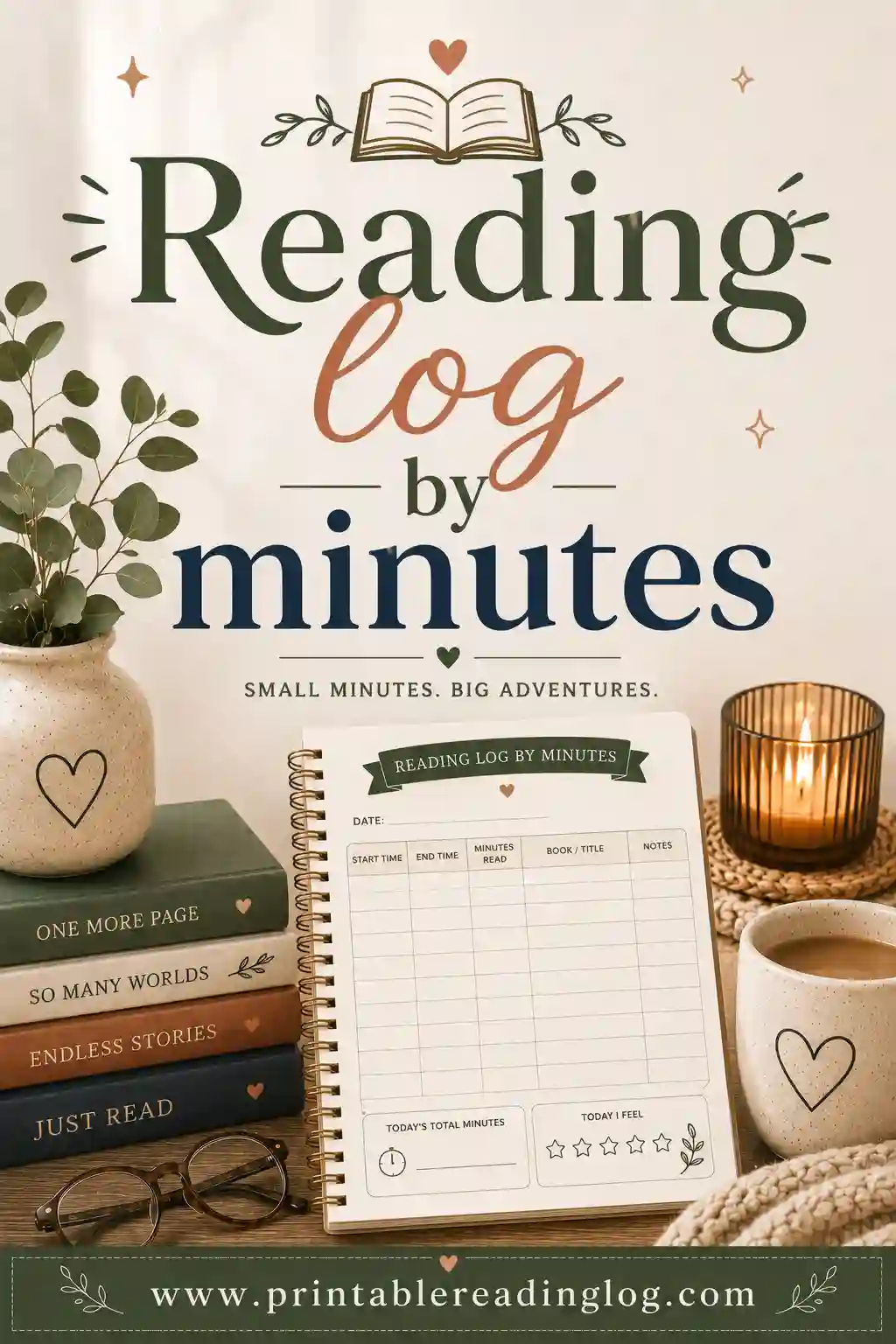
- Pick one unit of progress. Minutes for younger or slower readers, pages for chapter books. Don't mix them, or your totals mean nothing. Not sure? A reading log by minutes is the most forgiving place to start.
- Make it visible. Tape it inside the book or pin it where you read. A hidden log is a dead log.
- Log right after reading. Five seconds while it's fresh beats trying to remember later.
- Tie it to a small reward. A sticker, a checkmark, a treat at 10 books. The reward is what makes the habit stick.
- Review it weekly. A quick glance back shows progress and keeps you motivated.
Do these six things and the log does the rest. Skip them, and even the prettiest sheet won't help.
A Sample Week That Works
Here's what an effective, low-pressure log looks like in practice. Notice how short each entry is, that's the point.
| Day | Book | Minutes | Note |
|---|---|---|---|
| Mon | Wonder | 15 | Liked Auggie |
| Tue | Wonder | 20 | Funny part |
| Wed | (skipped) | 0 | Busy day |
| Thu | Wonder | 15 | Almost done |
| Fri | Wonder | 25 | Finished! ⭐ |
| Sat | Holes | 20 | New book |
| Sun | Holes | 15 | Good so far |
See that skipped Wednesday? That's normal, and the log doesn't punish it. A missed day is just a missed day. The streak picks right back up on Thursday. A log that allows for human life is a log people keep using.
Do Logs Work for Adults, Not Just Kids?
Absolutely. The reputation of reading logs as a "school thing" sells them short. Plenty of adults use them to:
- Rebuild a reading habit after years of scrolling instead of reading.
- Track a yearly book challenge.
- Keep a private record of every book finished.
- Reflect on what they read with a quick rating and note.
The adult version is plainer, no stickers required, but the mechanism is identical. Visible progress drives the habit, no matter your age.
Matching the Log to the Reader
A reading log "not working" is, more often than not, the wrong log for that person. The mechanism is sound; the format was a mismatch. Pick the style that fits the reader in front of you and the success rate climbs sharply.
| Reader | Log style that works | Why |
|---|---|---|
| Young or reluctant reader | Sticker chart or check-off boxes | Tiny, instant wins; no writing required |
| Habit-building adult | Minutes-a-day calendar | One mark a night; the streak does the work |
| Avid reader / book counter | Title + rating + date finished | Builds a satisfying year-end list |
| Student (school accountability) | Date + minutes + signature line | Simple proof reading happened |
| Reflective reader | Title + notes or one-line review | Captures thoughts, not just numbers |
Notice how different these are. The reluctant eight-year-old and the adult chasing a 50-book year need almost opposite logs, and forcing either into the other's format is exactly how a log ends up abandoned in a drawer. Start with the row that matches your reader, and adjust from there.
How to Tell If Your Log Is Working
You don't need a month to know whether a log is landing. A few early signals tell you fast.
- They reach for it unprompted. When logging starts happening without a reminder, the habit loop has caught.
- The streak matters to them. A flash of "I don't want to break it" is the motivation engine doing its job.
- Filling it in feels good, not heavy. If marking the log is a small reward rather than a chore, you've got the format right.
- Reading is going up, even a little. More nights with a book, slightly longer sessions — that's the whole point.
If instead the log feels like nagging, gets skipped, or sparks dread, that's not a verdict on reading logs in general. It's a signal to make the log lighter — fewer columns, a friendlier unit, a sticker instead of a number — and try again. The fix is almost always "simpler," rarely "quit."
The Bottom Line
So, do reading logs actually work? Yes, when they're simple, visible, and pressure-free. They turn a quiet, easy-to-skip activity into a trackable habit with built-in motivation. The failures almost always come from over-complicating things or making the log feel like a punishment. Keep it light, keep it handy, and a reading log will quietly help you, or your reader, read more.
Frequently Asked Questions
Do reading logs work for adults?
Yes. Adults use logs to rebuild a reading habit, track yearly goals, and keep a record of finished books. The format is plainer than a kid's, but the same visible-progress effect drives the habit. Plenty of avid readers swear by a simple log they fill in after each session.
Why do some reading logs fail?
Usually because they're too complicated, feel like a punishment, or get hidden away and forgotten. A log with too many columns becomes a chore, and a log used as forced homework can sour kids on reading. Keep it short, keep it visible, and keep it positive, and it'll work.
How long until a reading log starts working?
Most people feel the motivation boost within the first week, since the streak forms quickly. A genuine habit usually settles in around three to four weeks of regular use. Consistency matters more than perfection, so don't worry about the occasional missed day.
Should I track pages or minutes in my reading log?
Pick whichever fits the reader. Minutes are friendlier for young or slower readers because they reward effort, not speed. Pages suit confident chapter-book readers. Just pick one and stick with it, mixing the two makes your totals meaningless.
Can a reading log hurt a child's love of reading?
It can, if it's used as a strict, joyless requirement or turns reading into a numbers race. Used as a fun, low-pressure record, with stickers, short rows, and no punishment for off days, it does the opposite and builds enthusiasm.
What's the simplest reading log that still works?
A single sheet with date, title, and a check-off box or sticker space. That's enough to create the visible-progress effect that makes logs work. You can print exactly that from the free maker and add more columns later if you want them.
How do I know if a reading log is working?
Watch for a few early signs: the reader reaches for it without being told, the streak starts to matter to them, filling it in feels like a small reward, and reading ticks up even a little. If instead it feels like nagging, the format is too heavy — simplify it rather than giving up on logs altogether.
What kind of reading log should I use?
Match it to the reader. A reluctant or young reader does best with a sticker chart or check-off boxes; a habit-building adult likes a minutes-a-day calendar; a book counter wants title, rating, and date finished. Forcing one reader into another's format is the most common reason a log fails.
Try a Reading Log for Yourself
The honest answer is that reading logs work when you keep them simple and friendly. The best way to find out is to test one for a week. Open the free reading log maker, print a clean sheet, and start tracking. It's free, there's no sign-up, and you'll know by Sunday whether it's working for you.