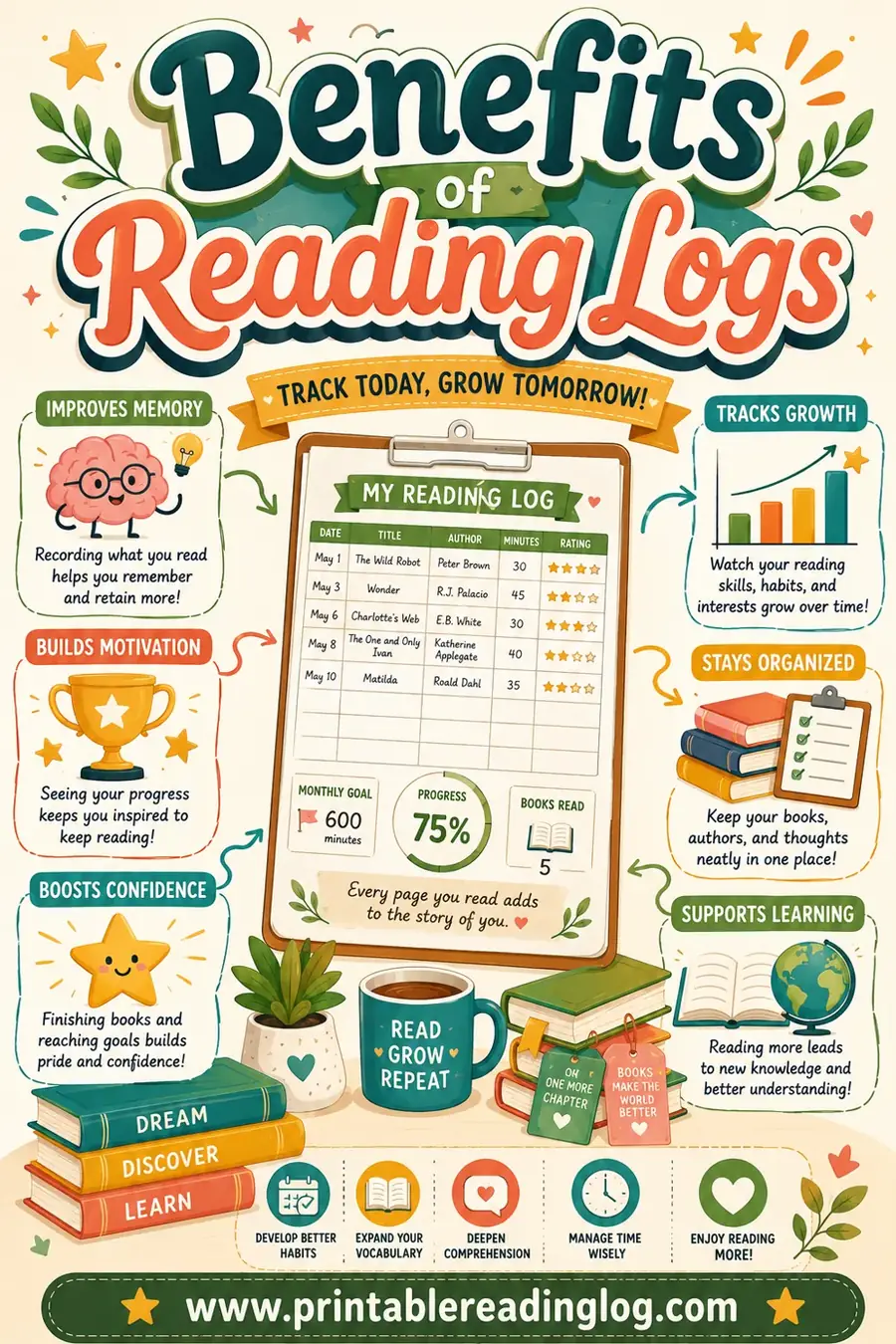
Benefits of Reading Logs: Why They Actually Help
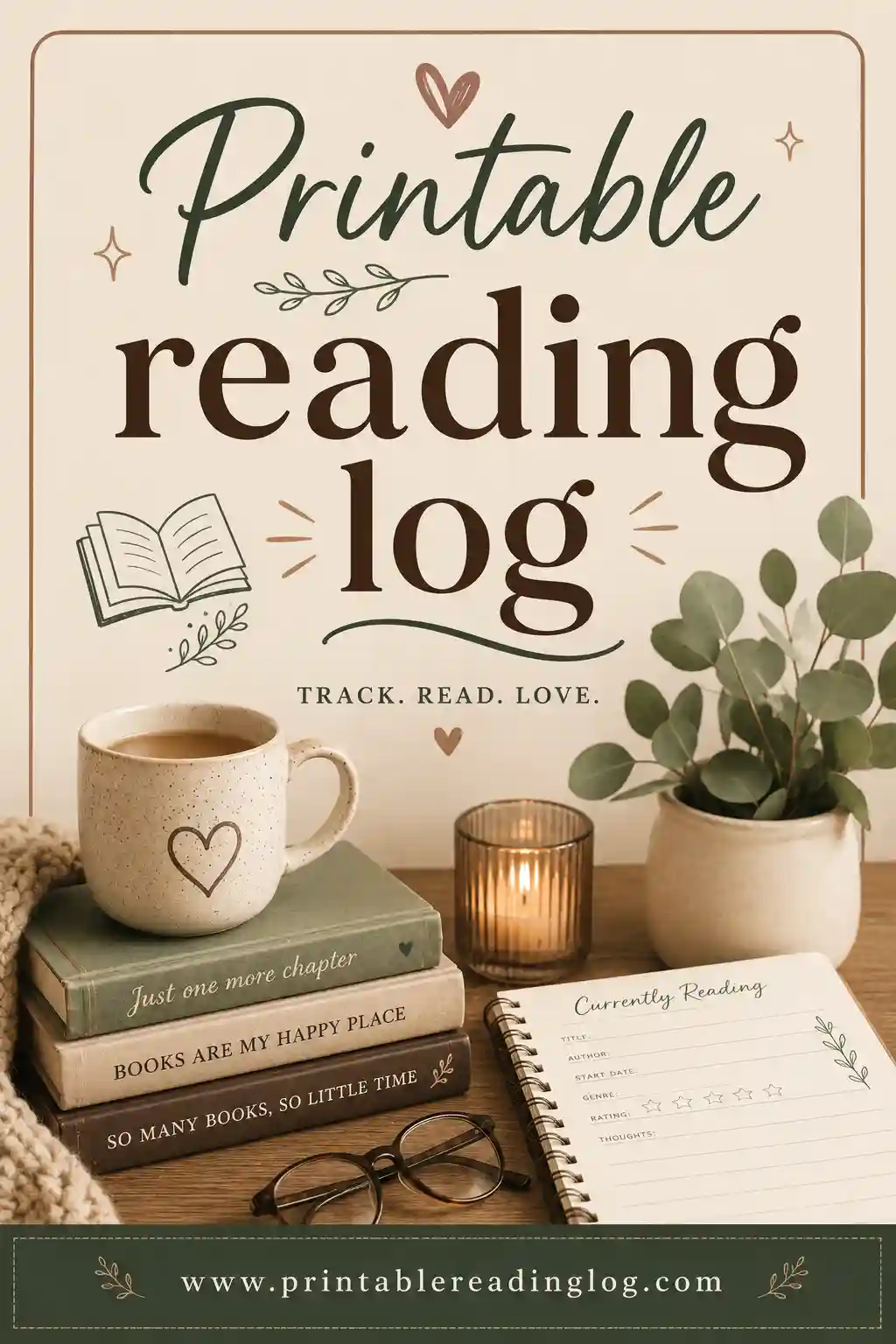
The biggest benefits of reading logs are simple: they help you read more often, finish more books, and actually remember what you read. Writing down each title, date, and a quick note turns reading from something you "mean to do" into a visible habit you can see growing. The fastest way to start is with a free printable reading log you can fill in by hand and pin somewhere you'll see it every day.
Want to skip the theory and just start tracking? Open the free reading log maker, pick a layout, and print a clean sheet in under a minute. No sign-up, no app to download, no fee.
What a Reading Log Actually Does
A reading log is just a record of what you read. At its simplest, it's a list of titles with the date you finished each one. Most logs go a little further and add columns for pages or minutes read, a rating, and a line or two about what you thought.
That small act of writing things down changes your behavior more than people expect. When you know you'll record a session, you're more likely to pick up the book in the first place. And when you can see a week of filled-in rows, you don't want to break the streak. It's the same reason fitness trackers work: progress you can see is progress you keep chasing.
A log also gives you a memory you can trust. Six months from now, you won't be guessing whether you read that novel or just thought about it. The record is right there.
The Main Benefits of Reading Logs
Let's get specific. Here are the benefits that show up again and again, for kids and adults alike.
1. You build a real reading habit
Habits stick when they're easy to track. A log gives you a tiny, satisfying task to complete after each session, and that little checkmark trains your brain to come back tomorrow. Over a few weeks, reading stops feeling like a chore and starts feeling automatic.
2. You finish more books
It's easy to start five books and finish none. A log shows you exactly what's "in progress" so you can wrap one up before starting another. Seeing a finished pile grow is also a real motivator, especially for reluctant readers.
3. You remember what you read
Jotting down a one-line summary or a favorite quote locks the book into memory far better than reading alone. Months later, those notes jog your memory instantly and make the books feel worth the time you spent.
4. You spot your own patterns
Track for a month and patterns appear. Maybe you read most on weekends, or you fly through thrillers but stall on nonfiction. Once you can see your habits, you can adjust them on purpose instead of by accident.
5. You hit goals you can measure
"Read more" is a wish. "Read 20 minutes a day" or "finish 24 books this year" is a goal, and a log is how you check progress against it. If you're working toward a number, see our annual reading goal tracker for a setup built around exactly that.
6. It works for any age
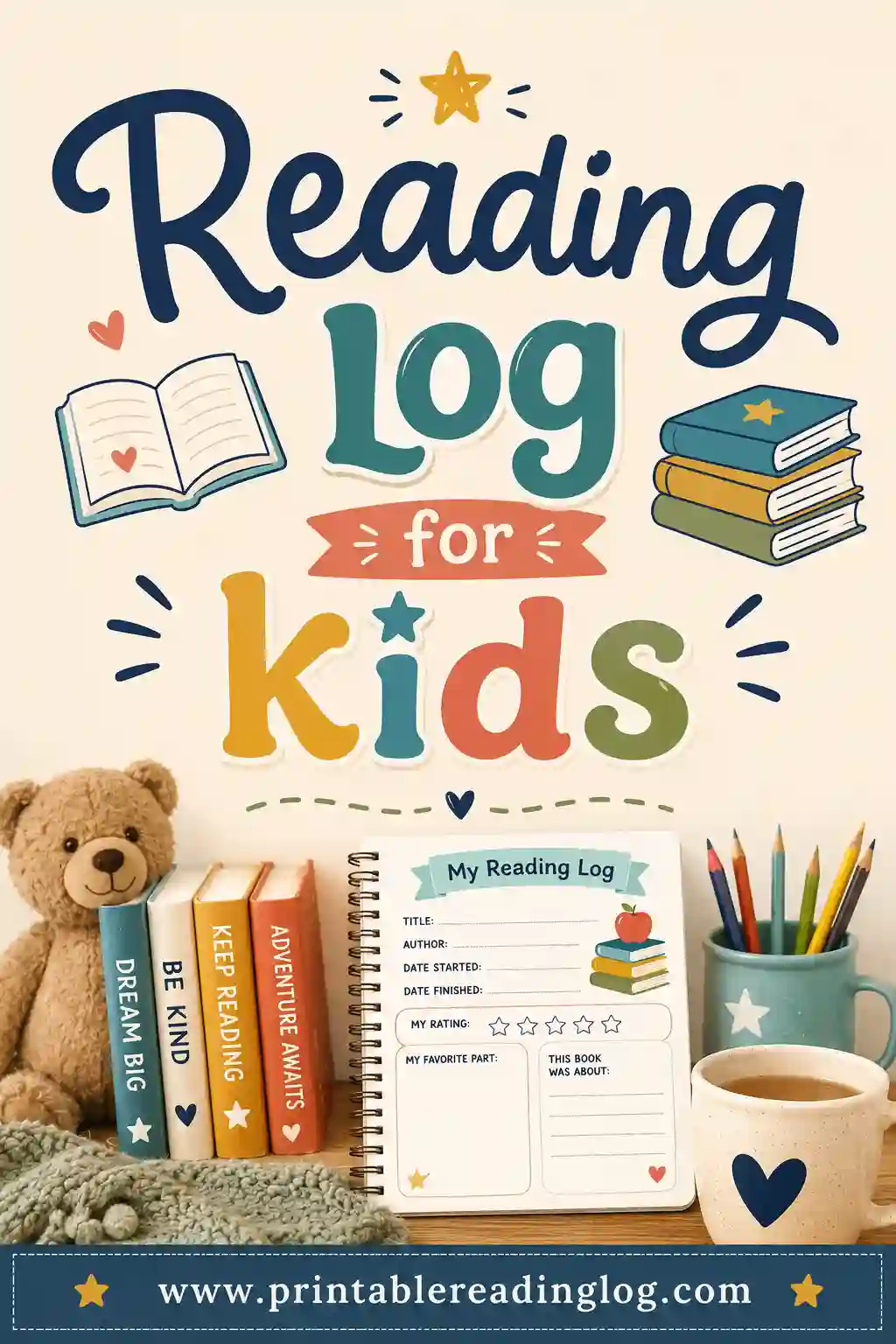
The same simple idea scales from toddlers to grandparents. Kids get a sticker for each book; adults get a tidy year-end list. A reading log for kids just swaps in bigger boxes and stickers, but the benefit is the same.
Benefits at a Glance
Here's a quick summary of what a log gives you and why it matters.
| Benefit | What it looks like | Why it helps |
|---|---|---|
| Habit building | A daily or weekly check-off | Reading becomes routine, not random |
| Finishing books | An "in progress" vs. "done" column | Fewer half-read books |
| Memory | A one-line summary per book | You recall plots and ideas later |
| Pattern spotting | Dates and times tracked | You learn when and what you read best |
| Goal tracking | Pages, minutes, or book counts | Progress toward a clear target |
| Motivation | A growing list or filled grid | Visible progress keeps you going |
What to Track in Your Reading Log
You don't need to track everything. Pick the columns that match your goal and skip the rest. A bloated log feels like homework and gets abandoned.
Here's a sample layout that covers the basics without overwhelming you:
| Date | Book title | Pages / minutes | Rating | Quick note |
|---|---|---|---|---|
| Mar 3 | The Hobbit | 32 pages | ★★★★☆ | Loved the riddle scene |
| Mar 4 | The Hobbit | 25 min | ★★★★★ | Smaug is terrifying |
| Mar 6 | Educated | 40 pages | ★★★★★ | Could not put it down |
| Mar 8 | Educated | 30 min | ★★★★☆ | Heavy but worth it |
A few notes on the columns:
- Date keeps you honest and shows your streak.
- Pages or minutes is your unit of progress. Pick one and stick with it. Younger kids often do better with minutes; chapter-book readers may prefer pages.
- Rating is fun and helps you remember which books you loved.
- Quick note is the secret weapon. One line is all it takes to remember a book for years.
Reading Log Benefits for Kids vs. Adults
The benefits overlap, but the reasons differ a little by age. Knowing which ones matter most to your reader helps you pick the right format.
For kids
- Motivation through visible wins. Stickers and filled grids make reading feel like a game.
- Building fluency. Daily logging encourages the steady practice that turns shaky readers into confident ones.
- Accountability for school. Many teachers ask for a signed log, so it doubles as homework proof.
- Pride. A long list of finished books is something a kid can show off.
For adults
- Beating the "I never read anymore" slump. A log makes a 15-minute habit easy to protect.
- A personal record. Your own private list beats relying on memory or a far-off app.
- Goal hitting. Reading challenges become trackable instead of vague.
- Reflection. Notes and ratings turn passive reading into something you actually think about.
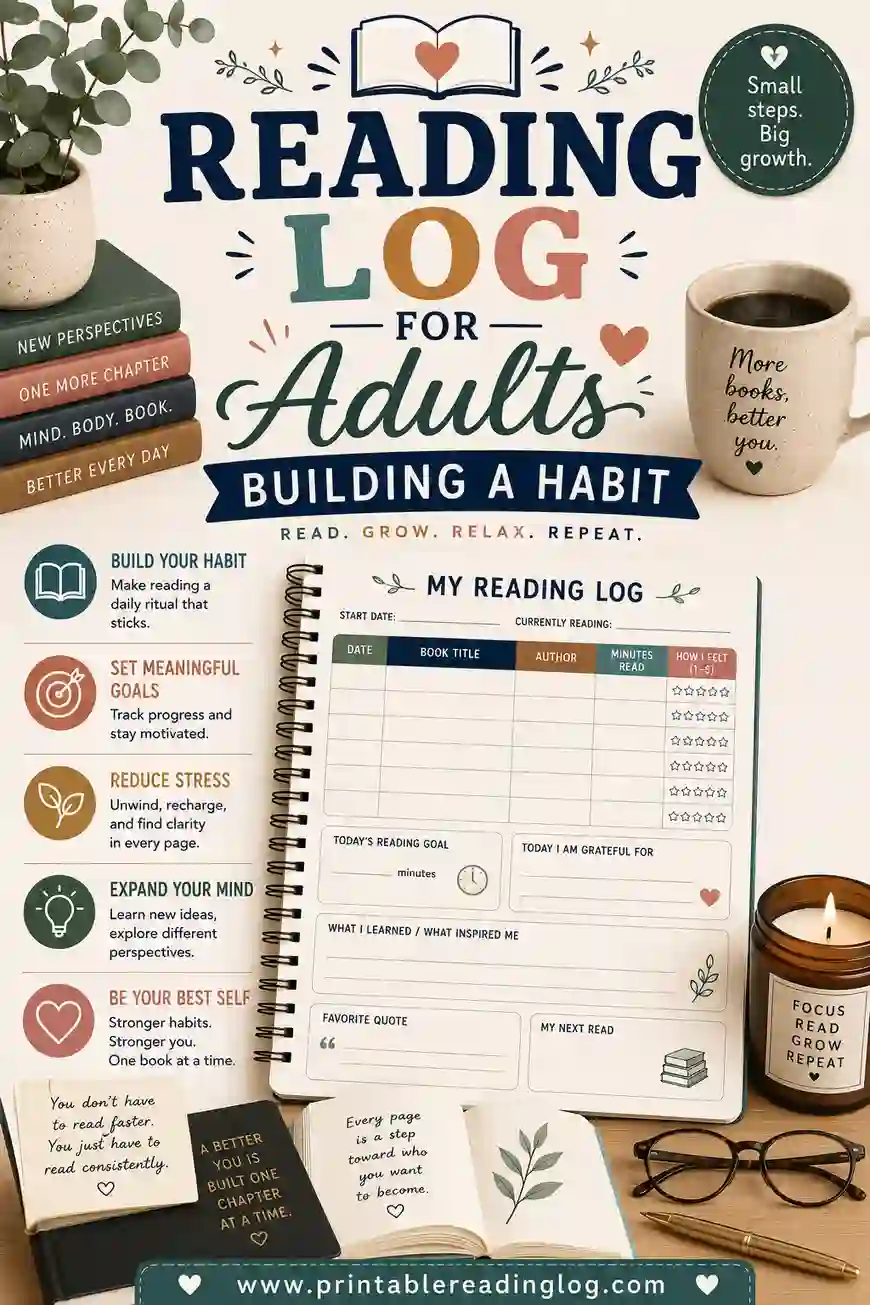
If you're an adult trying to rebuild the habit, the reading log for adults building a habit is shaped for exactly that.
Are There Any Downsides?
To be fair, logs aren't magic, and a couple of pitfalls are worth knowing.
- Over-tracking kills the fun. If your log has 12 columns, you'll dread it. Keep it simple.
- It can turn reading into a numbers game. Some readers start speed-reading just to log more pages. If that happens, drop the page count and track sessions instead.
- Forgetting to fill it in. A log only works if you use it. Keep it next to your book, not in a drawer.
The fix for all three is the same: a clean, simple sheet you actually enjoy filling in. That's the whole point of a printable you can customize.
How to Get the Most Out of Your Reading Log
A few small habits make a log far more useful.
- Keep it visible. Tape it inside the book cover or pin it by your reading chair. Out of sight means out of mind.
- Log right after you read, while the session is fresh. Waiting until "later" is how rows get skipped.
- Pick one unit and stick with it. Mixing pages and minutes makes your totals meaningless.
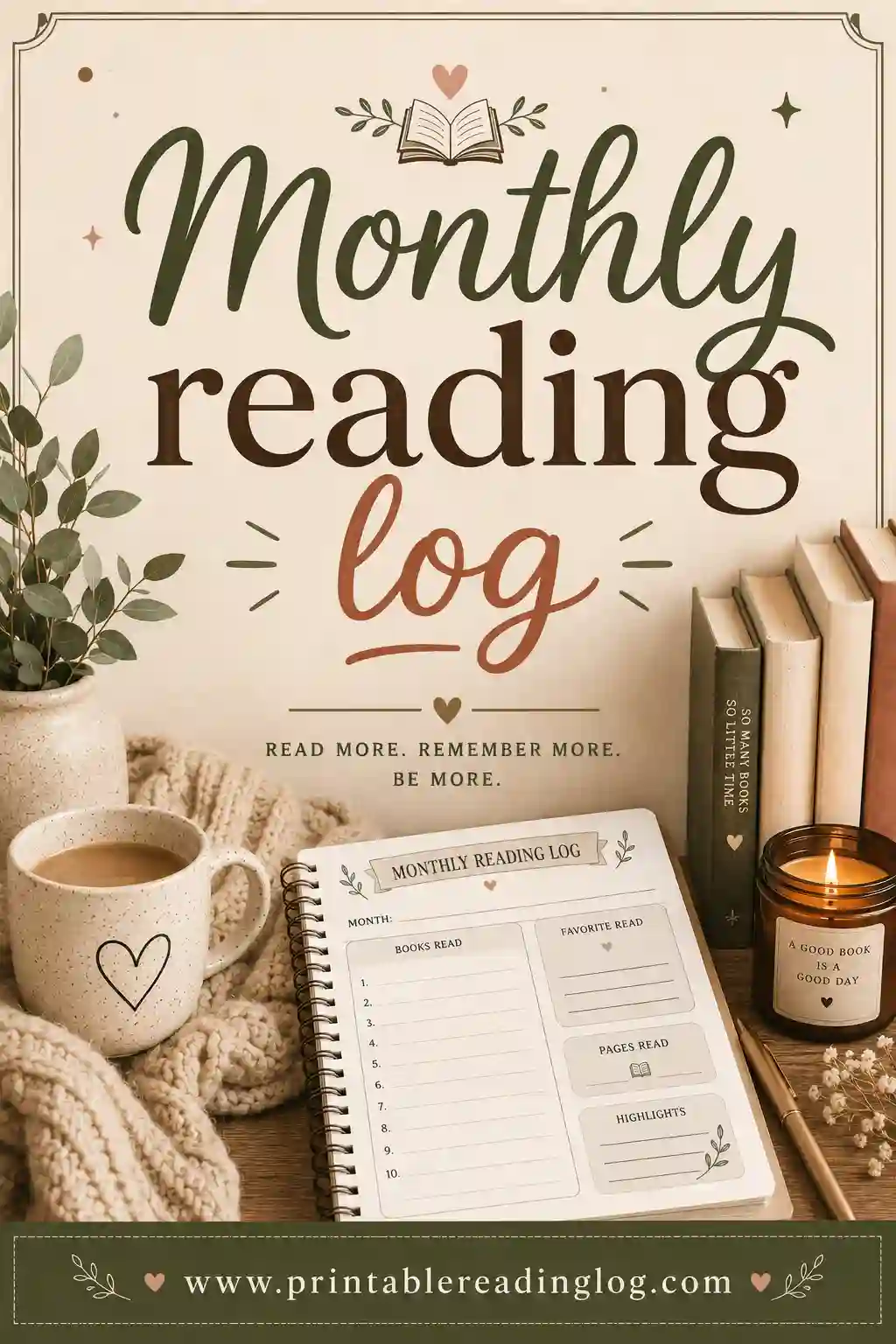
- Review it monthly. A quick look back shows your progress and what to tweak. A monthly reading log makes this review built-in.
- Celebrate milestones. Finished 10 books? Hit a 30-day streak? Mark it. Small rewards keep the habit alive.
Frequently Asked Questions
Do reading logs really make you read more?
For most people, yes. The simple act of tracking adds a small dose of accountability and motivation that nudges you to pick up a book more often. The visible streak is surprisingly powerful, which is why logs are used in classrooms, libraries, and reading challenges everywhere.
What should I include in a reading log?
At minimum, the date and the book title. Most people also add pages or minutes read, a star rating, and a one-line note. Keep it to four or five columns so it stays quick to fill in. You can always print a simpler or more detailed version from the free maker.
Are reading logs good for adults too?
Definitely. Adults use logs to rebuild a reading habit, hit yearly book goals, and keep a personal record of everything they've read. The format is a little plainer than a kid's version, but the benefits, habit, memory, and motivation, are the same.
How often should I fill in my reading log?
Right after each reading session is ideal, while the details are fresh. If you read daily, log daily. If you read in longer weekend stretches, log then. The key is consistency, not frequency.
Can a reading log replace an app like Goodreads?
For many readers, yes. A printable log is private, distraction-free, and never asks you to log in. It won't recommend books, but it does everything a tracker needs to do. See our take on using a reading log as a Goodreads alternative if you're weighing the two.
What's the best reading log for a beginner?
Start simple: a single sheet with date, title, and a check-off box or sticker space. You can add columns later as the habit sticks. The free maker lets you print a basic version today and upgrade whenever you're ready.
Start Your Reading Log Today
The benefits of reading logs come down to one thing: what gets tracked gets done. A simple sheet helps you read more, finish more, and remember more, whether you're a kid earning stickers or an adult chasing a yearly goal. Open the free reading log maker, pick a layout that fits your reader, and print your first sheet in under a minute. It's free, there's no sign-up, and your next book is waiting.