How to Track Read-Alouds: A Simple Guide for Parents and Teachers
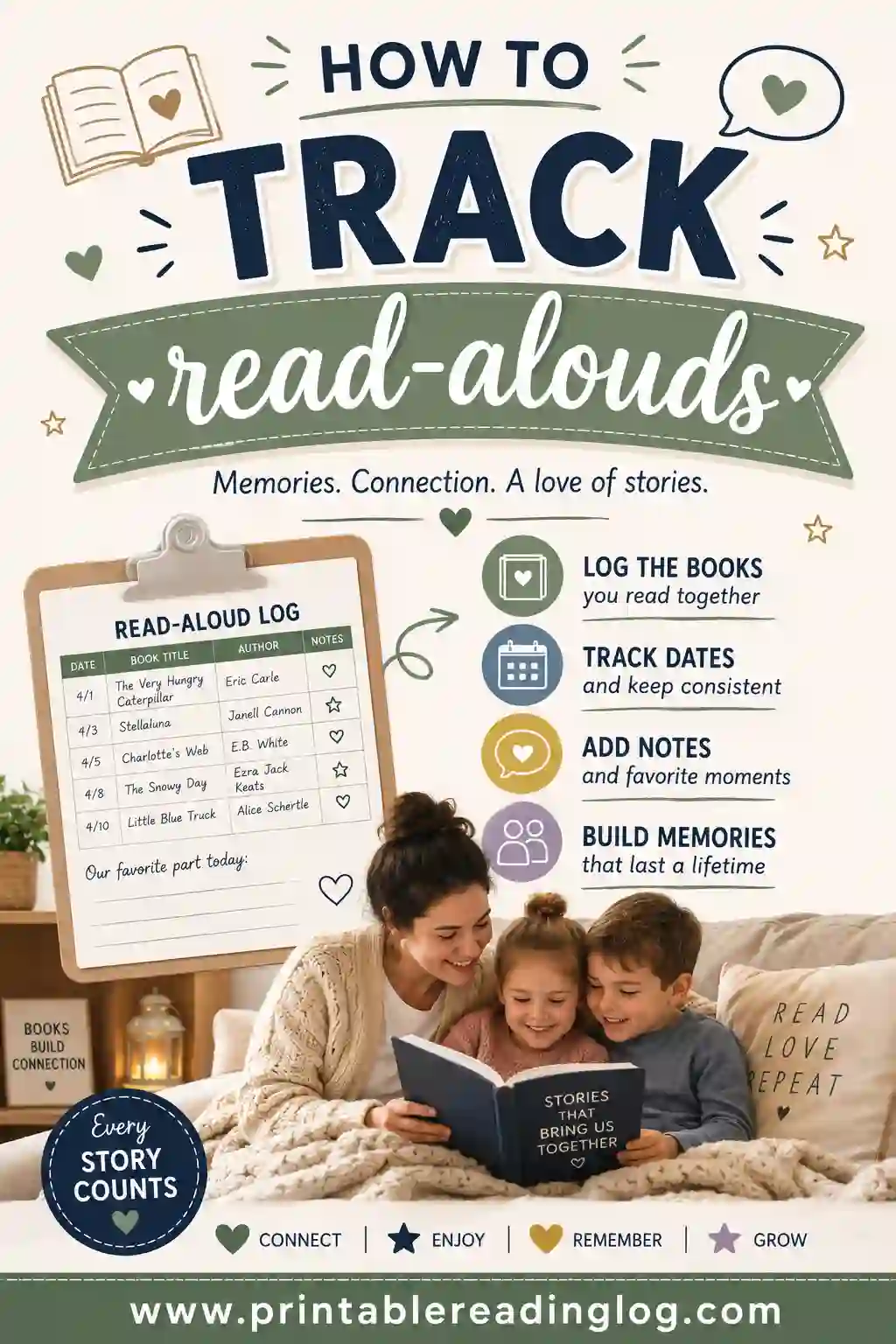
To track read-alouds, log three things after each session: the date, the book title, and how long you read (or how many pages). Add a quick note or a star rating if you want, then mark it done. A simple printable read-aloud log keeps the whole thing to about ten seconds a day, which is exactly why it actually gets done. The fastest way to start is to print a ready-made log and fill it in as you go.
Want to skip ahead? Open the free reading log maker, choose a read-aloud layout, and print a tracker for the fridge or the classroom wall. No sign-up, no app, no fee.
Why Track Read-Alouds at All?
Reading aloud to a child is one of the most powerful things you can do for their language and literacy. But it's easy to lose track of how often it's actually happening when life gets busy. That's where a log helps.
Tracking read-alouds does three useful things:
- It builds consistency. A visible streak nudges you to read tonight even when you're tired.
- It shows progress. Looking back over a full month of logged sessions feels great, for you and the child.
- It meets requirements. Many schools, libraries, and reading programs ask families to log read-aloud minutes. A clean log makes that painless.
You don't need anything fancy. A few columns and a pen will do. The trick is making it so quick that you never skip the logging.
What to Track in a Read-Aloud Log
A read-aloud log can be as bare or as detailed as you like. Start simple, then add columns only if you'll actually use them.
The essentials:
- Date. So you can see your streak and meet any program deadlines.
- Book title. Helps you remember favorites and spot books you've reread a dozen times.
- Time or pages. Minutes work best for read-alouds, since picture books vary so much in length.
Nice-to-have extras:
- Who read. Mom, Dad, grandparent, sibling. Fun to see over time.
- Star rating. Let the child rate the book. It gets them invested.
- A one-line note. "Asked to read it twice" or "fell asleep happy."
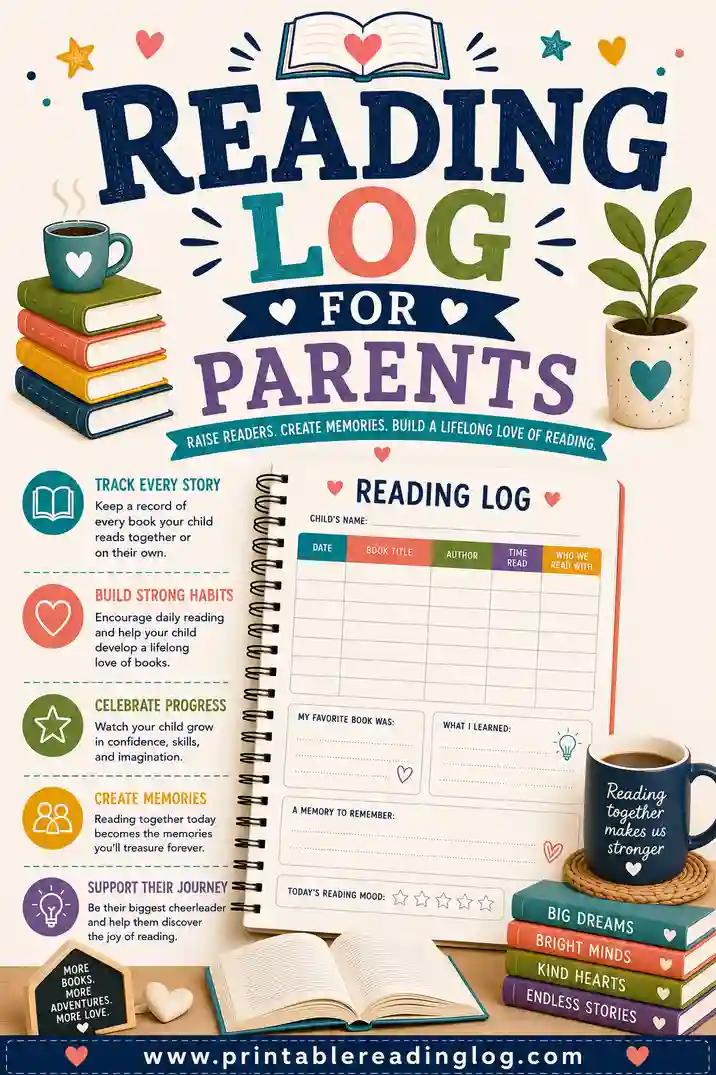
Resist the urge to track everything. The more columns you add, the less likely you are to keep filling it in. A read-aloud log for parents with just date, title, and minutes is the sweet spot for most families.
How to Track Read-Alouds in 5 Easy Steps
Here's the whole method, start to finish. Once you've done it twice, it becomes automatic.
- Print your log. Use a free reading log maker to make a read-aloud sheet with the columns you want, then print one page per week or month.
- Put it where you read. Tape it inside a cabinet by the reading chair, or clip it to the bookshelf. A log you can't find is a log you won't use.
- Read first, log second. Don't interrupt story time to write things down. Enjoy the book, then jot the entry when you're done.
- Fill in three things. Date, title, and minutes. Five seconds. Add a star or a note only if you feel like it.
- Review weekly. Once a week, glance at the page. Celebrate the streak, notice favorite books, and refill the log if it's full.
That's it. The magic is in step three: keep the actual reading sacred and do the logging after, so tracking never gets in the way of the joy.
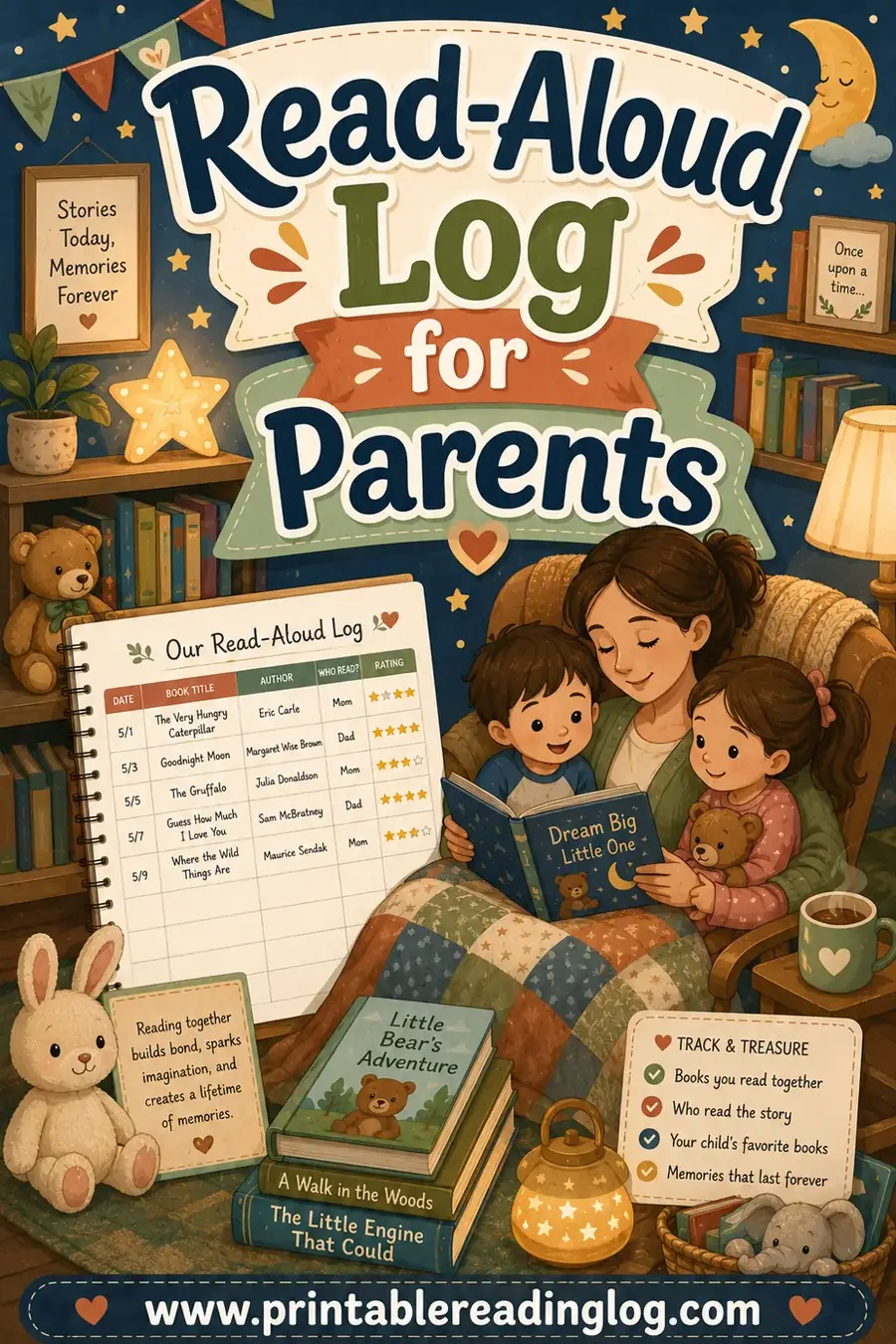
A Sample Read-Aloud Log You Can Copy
Not sure what a finished log looks like? Here's a filled-in example for one week. Yours can match this layout exactly.
| Date | Book title | Minutes | Who read | Stars |
|---|---|---|---|---|
| Mon 6/1 | The Very Hungry Caterpillar | 8 | Mom | ⭐⭐⭐⭐⭐ |
| Tue 6/2 | Where the Wild Things Are | 10 | Dad | ⭐⭐⭐⭐ |
| Wed 6/3 | Goodnight Moon | 6 | Mom | ⭐⭐⭐⭐⭐ |
| Thu 6/4 | Dragons Love Tacos | 12 | Grandma | ⭐⭐⭐⭐⭐ |
| Fri 6/5 | The Gruffalo | 11 | Dad | ⭐⭐⭐⭐ |
| Sat 6/6 | (reread) Goodnight Moon | 6 | Mom | ⭐⭐⭐⭐⭐ |
| Sun 6/7 | We're Going on a Bear Hunt | 9 | Mom | ⭐⭐⭐⭐⭐ |
Seven sessions, about 62 minutes for the week. Notice the reread on Saturday: rereading is great for young kids, so log it just like a new book.
Choosing the Right Format for Your Reader
Different ages need different logs. Match the layout to the child so tracking stays easy.
For toddlers and preschoolers
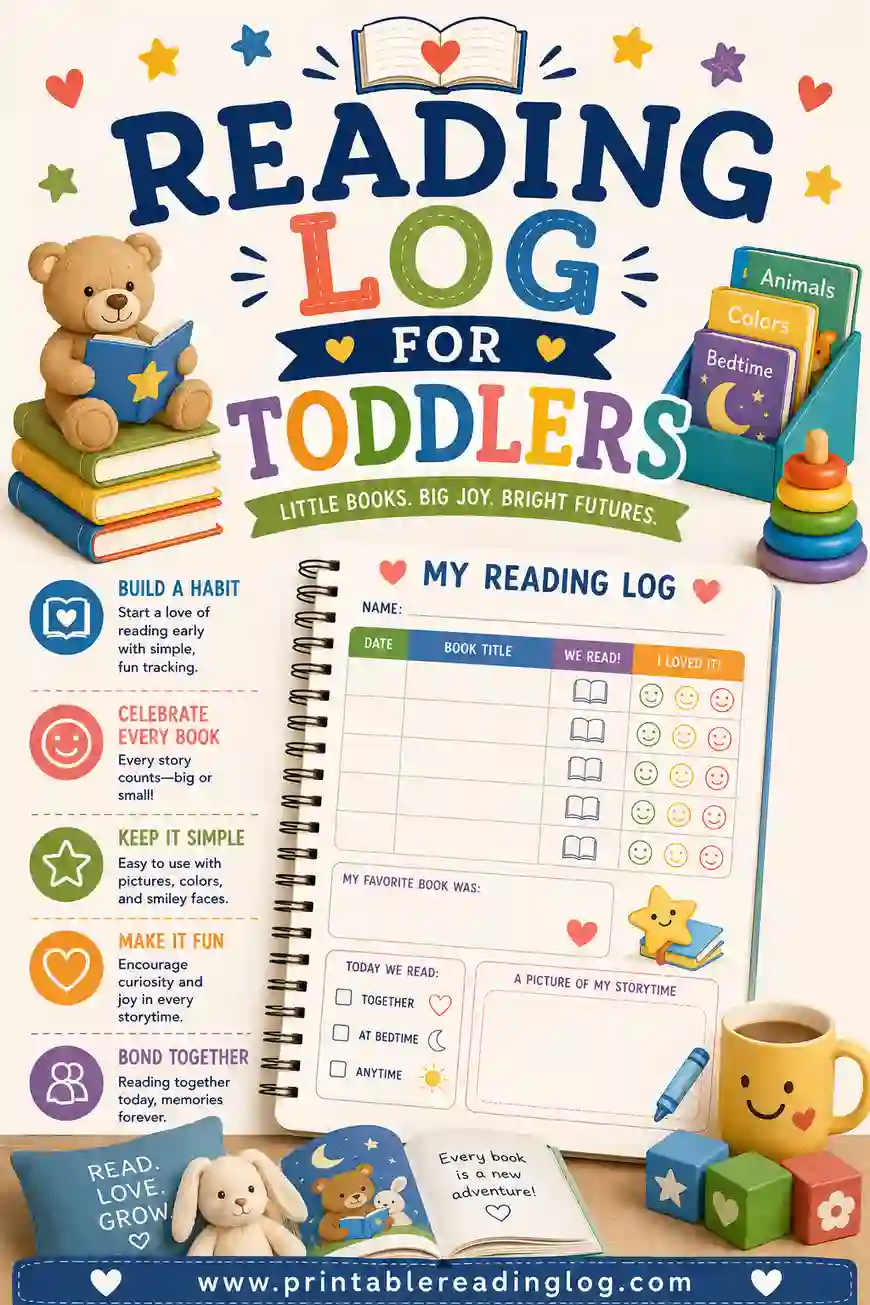
Skip the minutes. A simple "Did we read today?" box to check or sticker is all you need. The goal at this age is the daily habit, not the data. A reading log for toddlers with a colorful sticker grid works beautifully.
For early readers
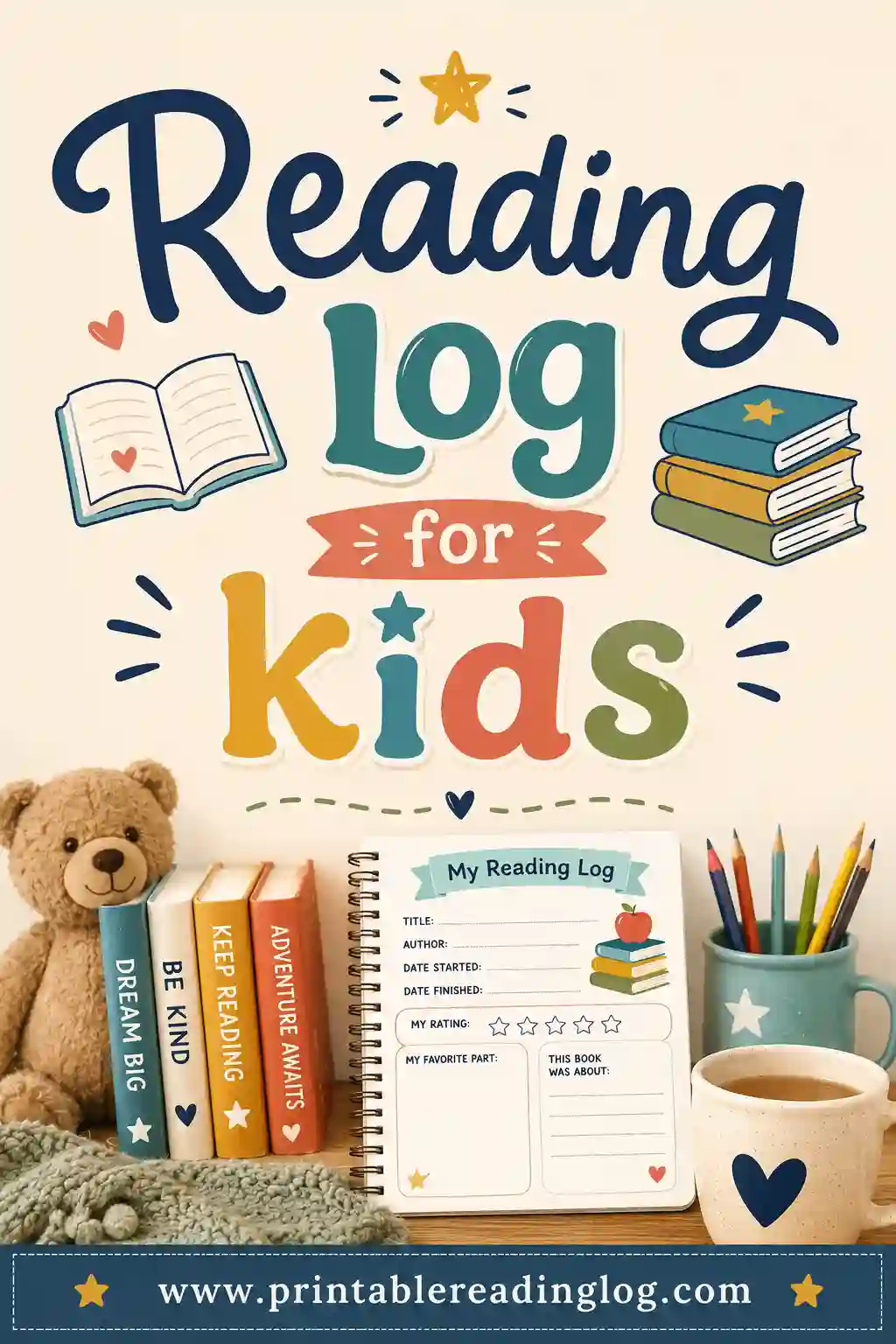
Add a title column and a star rating. Let the child pick the stars. This is the age where giving them a job, marking the log, builds real ownership of reading.
For classrooms
Use a single class sheet or a small log that goes home in each backpack. Add a parent-signature column if your program requires verified minutes. Keep the columns identical across the class so totals are easy to add up.
How to Track Read-Alouds for School Programs
Lots of schools and libraries run read-aloud or "log your minutes" challenges. Here's how to nail the requirements without stress.
- Check what counts. Some programs count only adult-to-child read-alouds; others count the child reading to you too. Read the rules once so your log matches.
- Log the date and minutes clearly. These are the two numbers programs almost always want. Make them easy to spot.
- Add a signature line if needed. Many programs require a parent or teacher signature. Build a thin signature column into your log so you're not scrambling at deadline.
- Total as you go. Add a running minutes total at the bottom of each page so you're never doing big math the night before it's due.
A purpose-built log saves you from copying numbers onto a separate program form later. Make it once, fill it as you read, hand it in.
Digital vs Paper: How Should You Track Read-Alouds?
You can absolutely track read-alouds in an app or a spreadsheet, and some families love it. But for read-alouds specifically, paper tends to win, and here's the honest comparison.
| Feature | Printable read-aloud log | App or spreadsheet |
|---|---|---|
| Speed to log a session | Tap or scribble, a few seconds | Unlock, open app, tap fields |
| Works with no screen | Yes | No |
| Kid can fill it in | Easily | Harder for little ones |
| Visible on the wall | Yes, right where you read | Hidden in a device |
| Parent signature for school | Built right in | Often awkward |
| Auto totals | No, add by hand | Yes |
The reason paper shines for read-alouds is the moment of logging. Story time usually ends with a sleepy child and dimmed lights, the last thing you want is to fish out a phone. A sheet taped by the reading chair lets you jot the entry in the dark and move on. If you also love stats, nothing stops you from keeping both, but most families find a single printable sheet does the whole job.
Make Tracking Fun for the Child
A read-aloud log isn't just paperwork for the grown-up. Pulled into the routine, it gives the child a sense of ownership that makes them ask to read.
- Let them place the sticker. For young kids, the reward of slapping a sticker on tonight's box is half the fun. It turns logging into a tiny celebration.
- Let them rate the book. Even a three-year-old can point to "five stars" or "two stars." It makes them feel like their opinion counts.
- Count down to a treat. Mark a goal line on the log, like ten sessions, and tie a small reward to reaching it. A new library trip or picking the next book works great.
- Look back together. Once a page is full, flip through it with your child. "Look how many nights we read! Remember this one?" That shared pride is what keeps the habit alive.
When the child is part of the tracking instead of just the subject of it, the log stops being a chore and starts being a keepsake. Many parents tuck finished pages into a folder and find, years later, they're a sweet record of all the stories shared.
Common Read-Aloud Tracking Mistakes to Avoid
A few small habits make the difference between a log you keep and one that ends up blank by week two.
- Over-designing it. Ten columns look thorough and feel exhausting. Three columns get filled in.
- Logging mid-story. Stopping a great book to write feels like a chore and breaks the mood. Always log after.
- Hiding the log. Out of sight, out of mind. Keep it where you read.
- Aiming for perfect streaks. Miss a night? No drama. Just read the next night. A few gaps don't ruin the habit.
- Forgetting to celebrate. Look back at a full month sometimes. That visible progress is the whole reason to track.
Avoid those five and your read-aloud log will quietly run itself.
Frequently Asked Questions
What should I include in a read-aloud log?
At minimum, include the date, the book title, and how long you read (in minutes). Optional extras are who read, a star rating, and a quick note. Keep it short, three columns is plenty, so logging stays fast and you actually keep it up.
How do I track read-aloud minutes for a school challenge?
Log the date and minutes for each session, and add a parent or teacher signature column if the program requires it. Keep a running total at the bottom of the page so you're not adding everything up at the last minute. A printable log designed for this makes handing in the totals simple.
Should I count rereading the same book?
Yes. Rereading is excellent for young children, building fluency and comprehension. Log a reread just like a new book, the date, the title, and the minutes all still count toward the habit and any program totals.
What's the best way to track read-alouds for a toddler?
For toddlers, skip minutes and just track whether you read at all that day, with a checkbox or a sticker. The goal at this age is a daily habit, not detailed data. A simple sticker grid keeps it fun and motivating for the child.
Do audiobooks count as read-alouds?
It depends on your goal or program. For building listening and vocabulary skills, audiobooks are valuable and worth logging. For school programs, check the rules, some count audiobooks, some only count a live person reading aloud. When in doubt, log them in a separate column so you can include or exclude them as needed.
How often should I review the read-aloud log?
A quick weekly glance is ideal. Use it to celebrate the streak, notice favorite books, and refill the page when it's full. A monthly look-back is also nice for seeing how much you've read together over time.
How many minutes a day should I read aloud to my child?
Many experts suggest aiming for around 15 to 20 minutes of reading aloud a day, but consistency matters far more than hitting an exact number. Even five or ten minutes every night builds language and bonding. Log whatever you actually read rather than chasing a target, and the daily habit will do the work.
Can siblings share one read-aloud log?
Yes, and it's often easier. Add a "who" column or a row per child, or just keep one family sheet where you note the book and minutes for each session. A shared log saves paper and makes the family streak feel like a team effort. If your school program needs per-child totals, give each kid their own sheet instead.
Start Tracking Your Read-Alouds Today
You don't need an app or a complicated system, just a clean sheet, three columns, and a pen by the reading chair. Open the free reading log maker, build a read-aloud log that fits your reader, and print it in seconds. It's free, there's no sign-up, and a few weeks of logged story time is a quiet record you'll be glad you kept. If you also want to track independent reading, our reading log for kids and reading log for parents pair perfectly with this one. Happy reading.